Discovering the well kept secrets of Trentino

We are always up to discovering a new nature escape, especially if it's a) a lake b) off-the- tourist radar. So when I read a little passage about Lago di Ledro in Lonely Planet Italy guide (I find the most interesting places and experiences in those separated excerpts) I got curious, and when I found a perfect b&b to spend a night in there, I was convinced that we have to go.

The lake is situated in the northern Italian province of Trentino, about half an hour drive from Riva del Garda, a city located on the northern tip of the lake Garda. Given the proximity of the two lakes, Ledro is surprisingly peaceful and "undiscovered" compared to Garda.

After a really long drive along the busy riviera of Lago di Garda (as always, we decided to skip the highway and drive the scenic road by the lake, but, as always it took too long), we were anxious to finally get to the lake. 

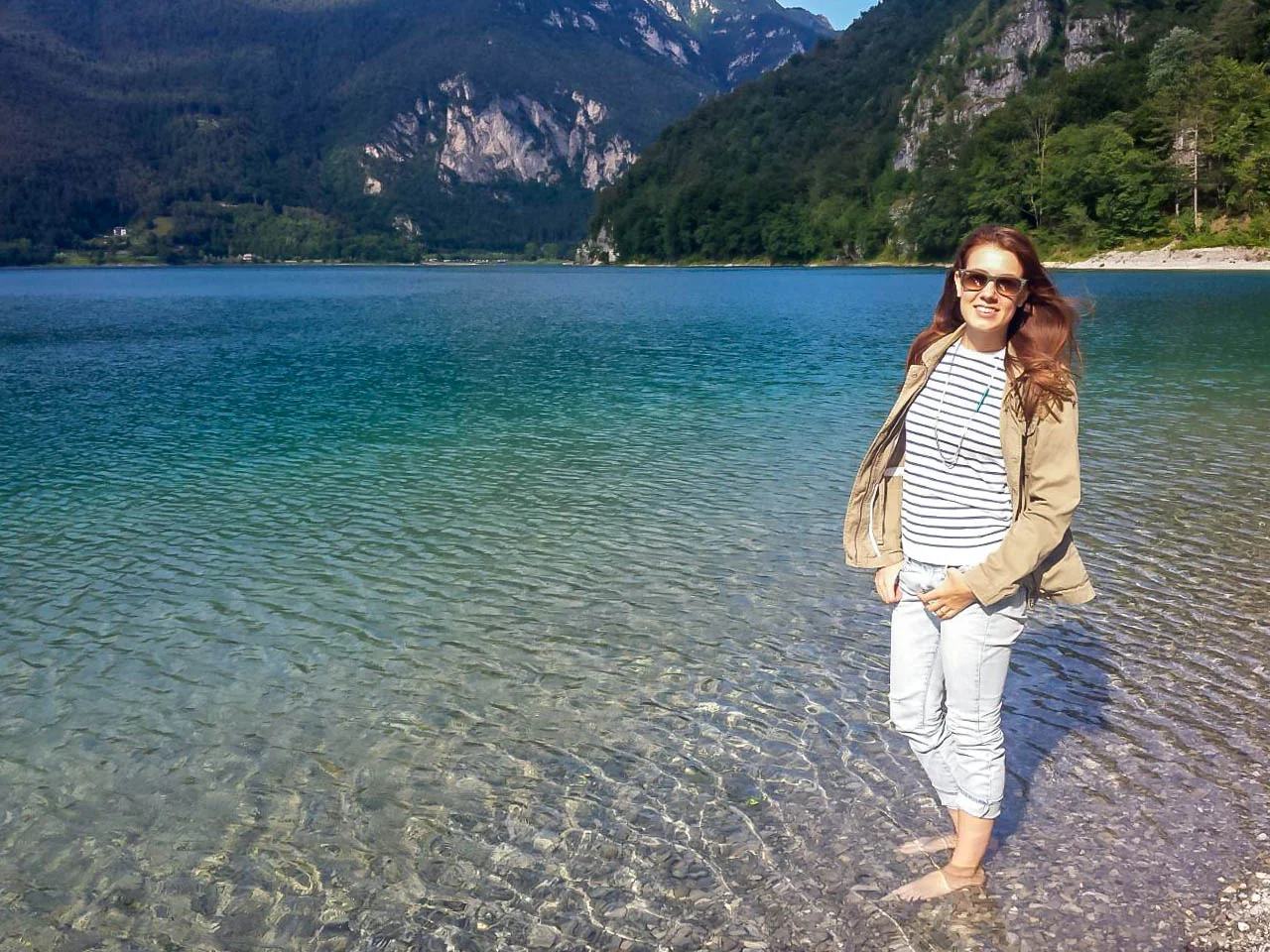
We were tired from the never-ending drive and not so overwhelmed with the mass tourism of Lago di Garda, but when we caught a first glimpse of Ledro and tucked our feet into its green water, we knew it would be a lovely two days!

Lago-di-Ledro
Ledro-vacanze

Our b&b Enjoy Ledro in Pieve di Ledro was really neat- every room was decorated in different style, and we chose to stay in the Alpine-hut styled room in the attic with sweet wooden details. Our host, Beatrice served a lovely breakfast- raspberry milkshakes, homemade pies, tiny jars of cheesecakes with the background music played on a gramophone. Very cool.

But, the best part of our stay was the fact that she also provided city bikes for her guests, and the two of us made the most of it. :) Cycling tracks connect the nearby villages and there is a route that circles around the lake, but there are parts where the track disappears and you have to drive on the main road, alongside with the cars. Since the traffic around the lake is not that dense, that wasn't a problem.

Lago-di-Ledro-cycling
Cycling-lago-di-ledro

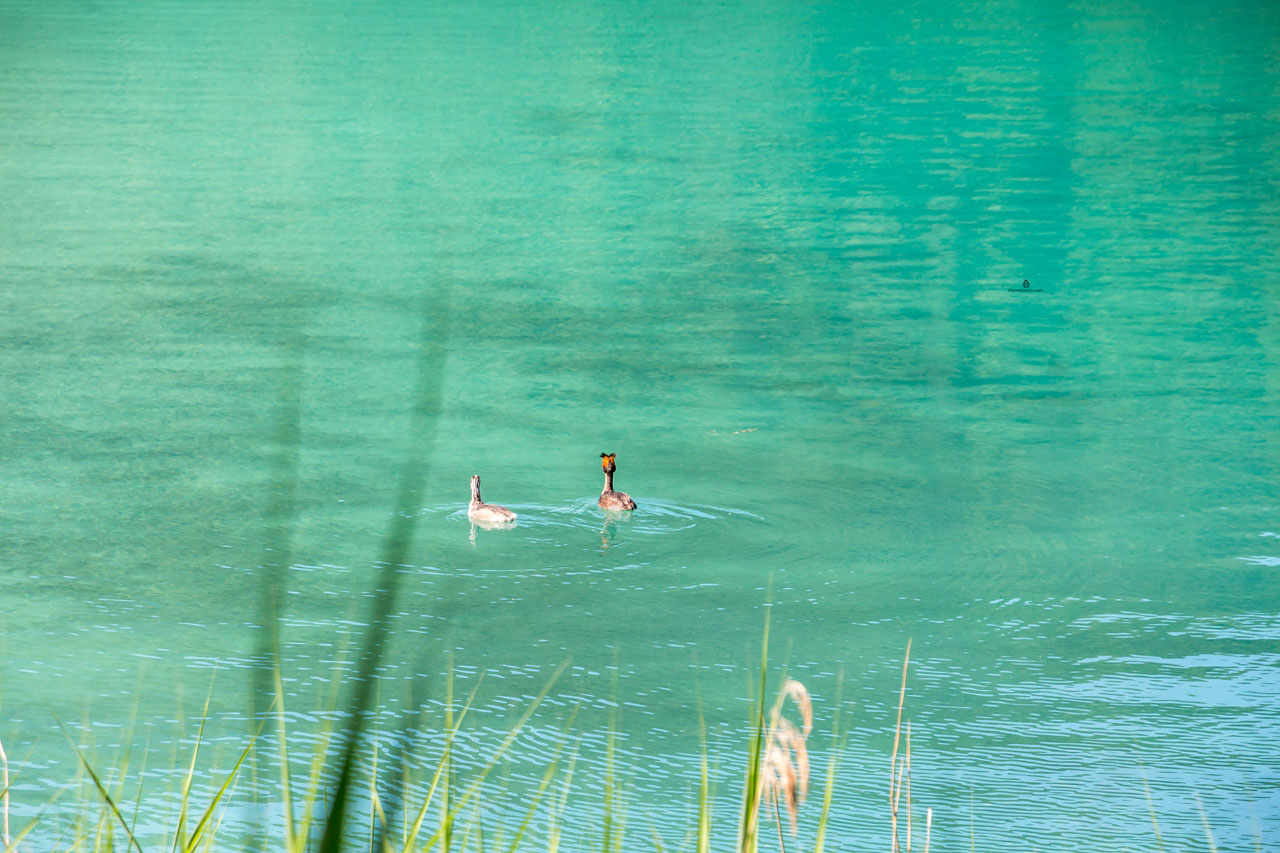
The cycling/walking path around the lake is beautiful, and so is the lake itself. As you change your point of view, so does the water color- it's dark blue, turquoise, dark green or just crystal clear in the shallows. The water is really clean and the temperature is good for bathing- it reaches 24 degrees Celsius in the summer months, which is pretty high for an Alpine lake. 

Lago-di-Ledro-dock
Lago-di-Ledro-color

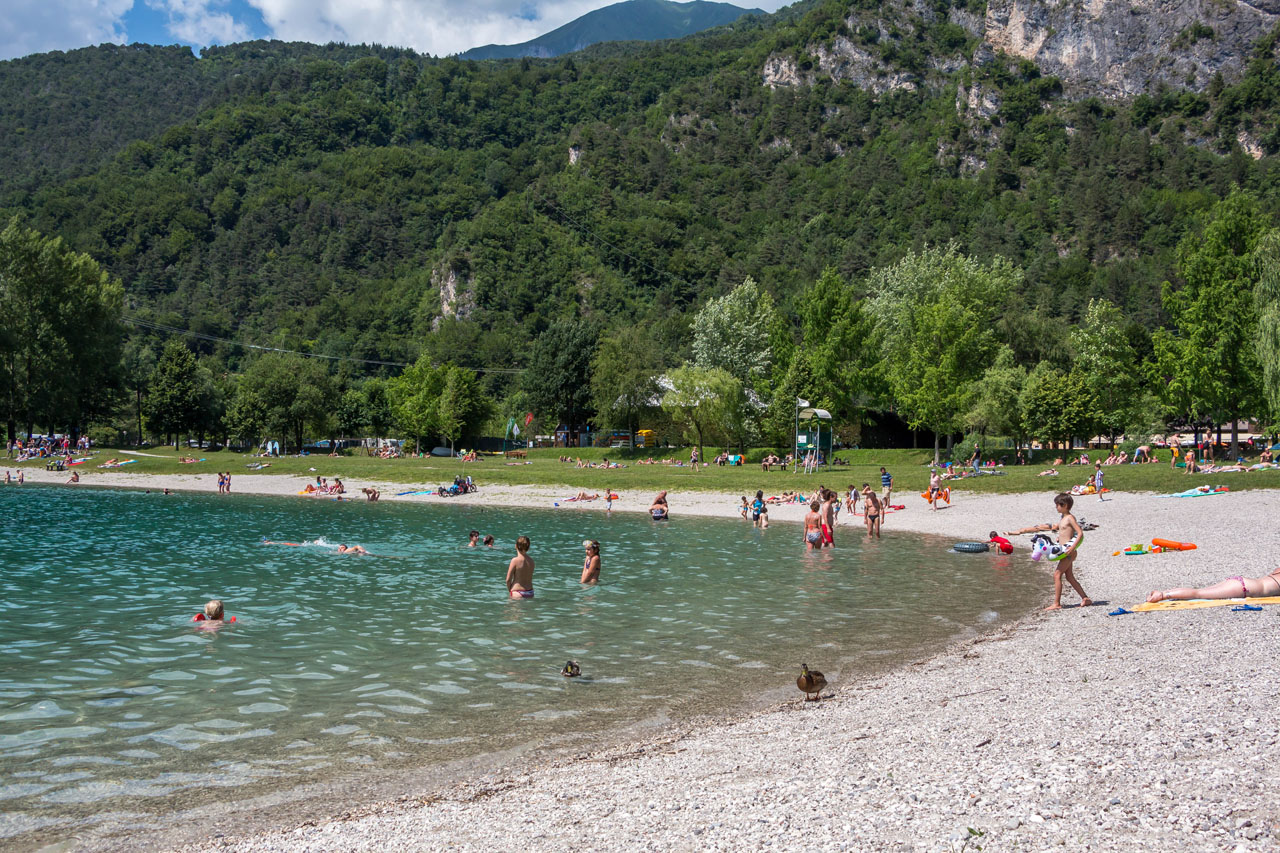
I liked the fact that the lake is not overcrowded with tourists, and there was just about right amount of swimmers, walkers, yachstman and cyclists to make it a lively but relaxing place.
Lago-di-Ledro-beach

For some people, the tropical beaches represent the perfect escape, for other the Mediterranean sun, but for me it's the mountains and the lakes. There is nothing more fulfilling then breathing the crisp mountain air with a profound woody scent, soaking up the sparkling greenery of alpine meadows, watching the clouds accumulating over the mountain peaks or the traces of misty fog surrounding the fir trees, and above all, resting my eyes on the changing colors of the lake waters.

Lago-di-Ledro-vacation
Clouds-above-Ledro

I always think about how some people are lucky enough to call those places home, and imagine what it's like to live there, what's their daily routine, do they miss the buzz of the city, or does the nature make up for the things one might miss when living in a small community. I'd like to try it out for myself sometime. :)

Bezzecca-Ledro

Thanks to our host, we discovered a perfect agrotourism called Agritur La Dasa, situated above the nearby village of Bezzecca. They're producing their own dairy and meat products, but also serve hearty local meals for lunch and dinner. We enjoyed the cheese plate (the smoked riccotta is something special), home made spinach gnocchi (so soft and gooey) and delicious pasta al ragu. Few can beat their location- you can enjoy the view of the lake from their terrace or the greenery of nearby meadows and mountains, and if you visit by night, in the silence of the valley, you can hear the cows chewing the grass just below the terrace. 

Agritur-la-Dasa
Valle-di-Ledro

The whole family works on a farm, with father being the head chef, who speaks only the local version of Italian but is more then happy to hang around and explain the menu to his guests. When I asked him if they had Tripadvisor (with intention on writing an excellent review) he didn't understand what was I talking about. Then his wife told us that she heard about it, but they were not using it. It was the middle of the week, and they were full for dinner. Well, that speaks enough about the quality of their products.

Agritur-La-Dasa-Bezzecca

Our stay was short, and we spent most of or time by the lake, because it works like a magnet for peace and calm longing visitors, but next time I'd love to explore more of this extraordinary beautiful region. I feel like we just scratched the surface of what Trentino has to offer. 

Valle-di-Ledro


The delights of Istrian countryside

Most of us travel to see new places, experience new things, taste new flavors, but at the same time, we often overlook the beautiful places and experiences just around the corner. Example, we travel pretty often to Italy, and Italy is truly wonderful, but so is Croatia. We do not travel nearly that often to beautiful places in Croatia or more specific Istria, because it's home, something too familiar, something we can visit anytime. And so it happens that we spend some time every summer climbing the Slovenian or Austrian Alps, but never climbed Croatian Velebit. 

That's why we decided to explore Istria bit by bit, to try out all the local specialties, to drive all the roads and to get to know the little places not so many people heard about.

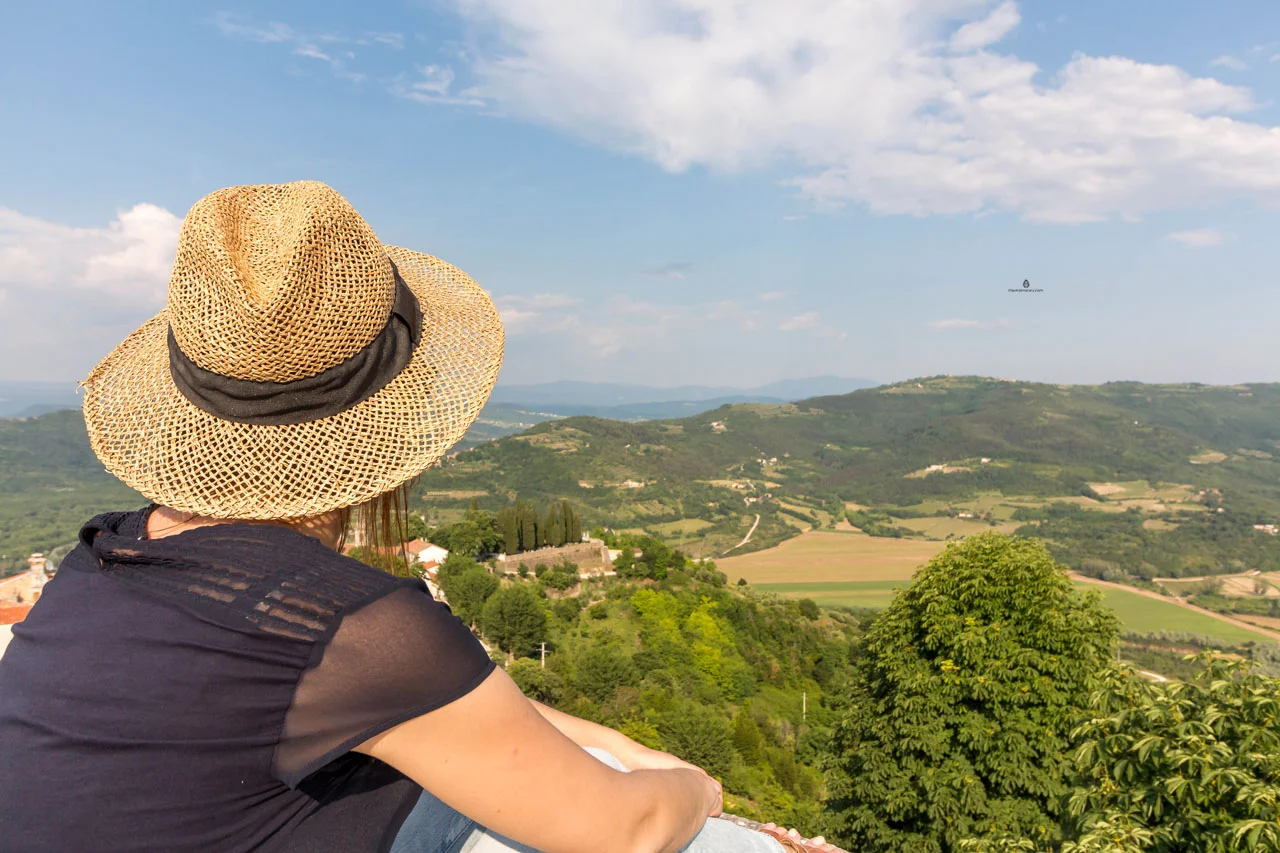
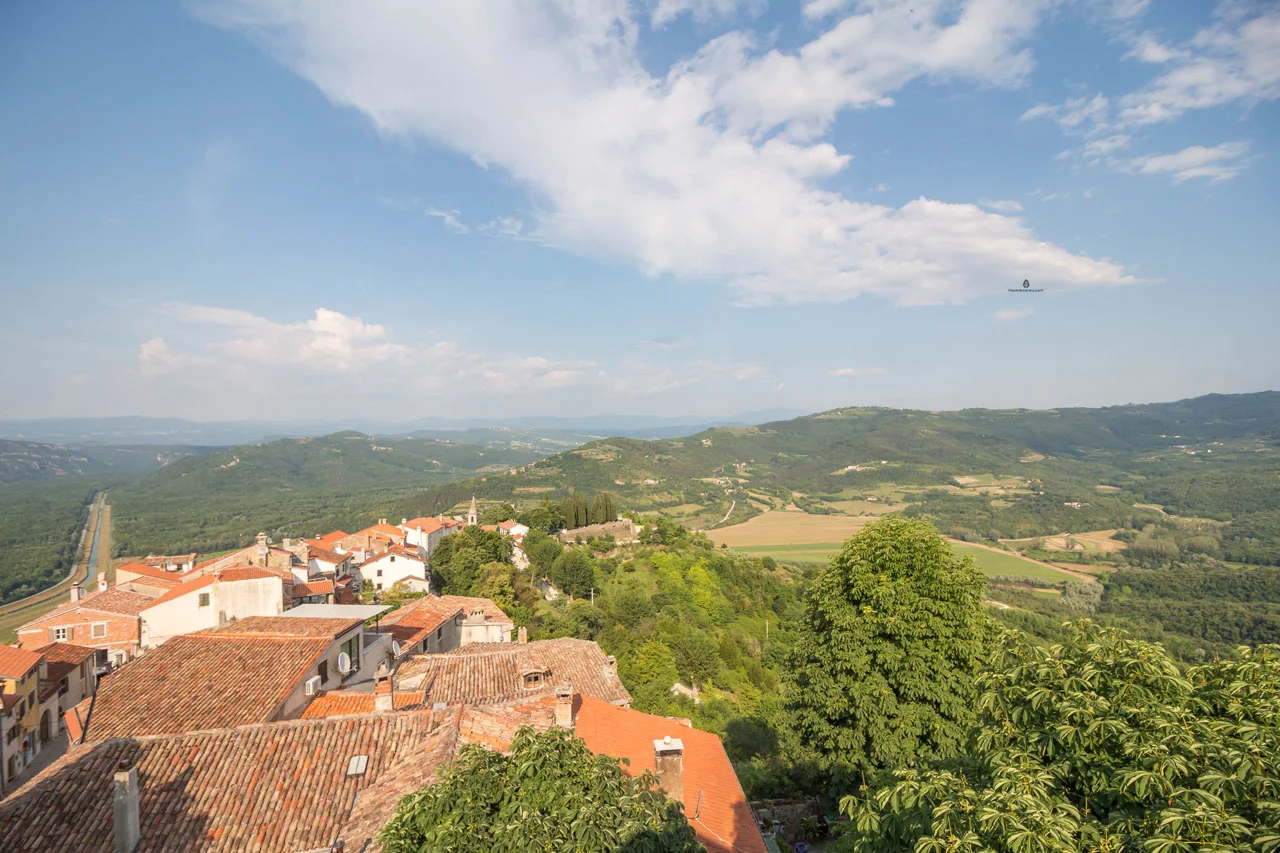
Motovun-view

All of them are just a day trip away, and this time we did a little tour around northern Istrian hilltop towns, which included Visnjan, Groznjan, Buje, and Motovun.

Each of them is known for something: Visnjan for its planetary and the events connected to it, Motovun for its film festival, Buje for its beer brewery, and Groznjan as the seat of musicians and artists. 

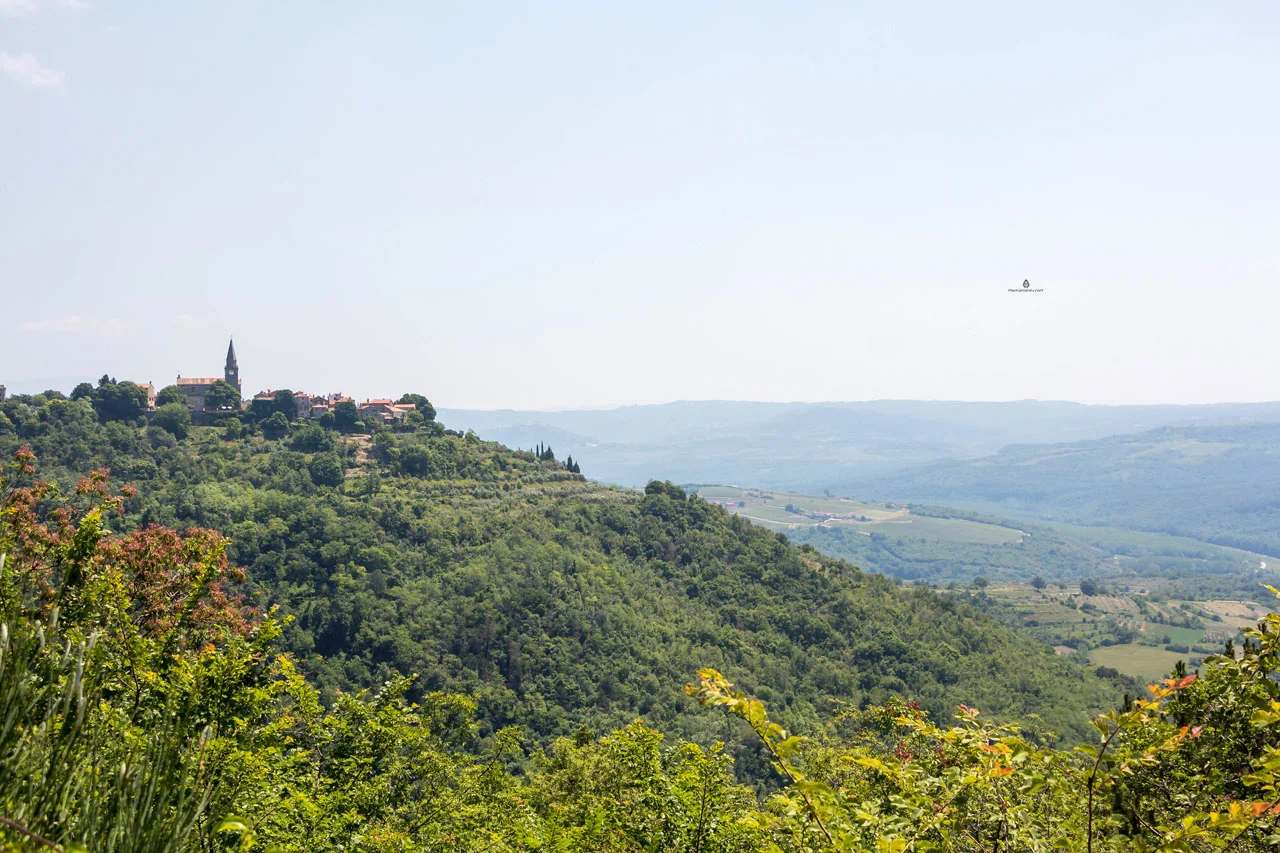
The thing that they have in common is obviously that they're located on the hilltops, they're all overlooking the Istrian countryside (there are some fantastic views!), and the beautiful local architecture: stone houses, narrow cobbled streets, baroque churches and loggias...

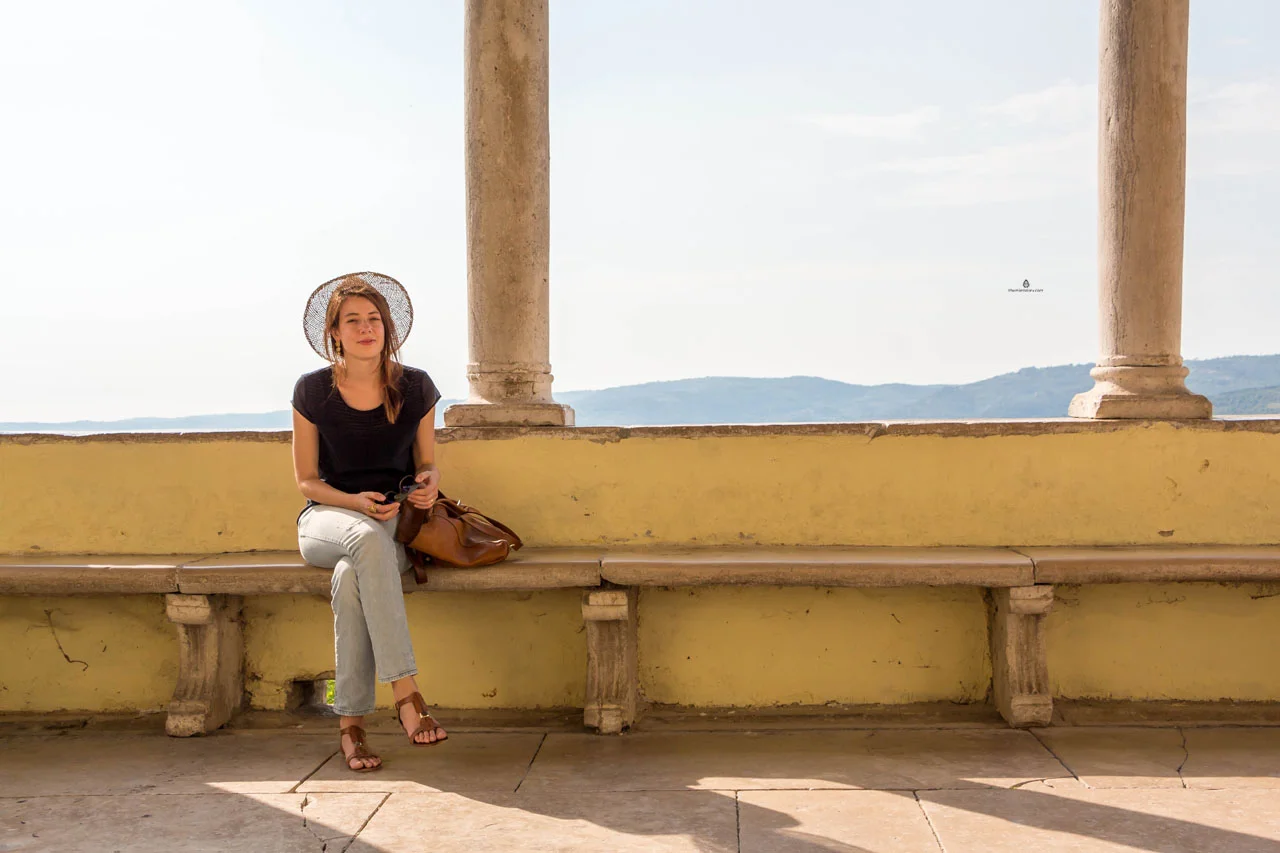
My personal favorite is Groznjan, because of its artsy vibe, loads of flowers, music that reaches out around the corner and beautifully restored stone houses. There are some chic bars, restaurants, and lovely art shops to spend your money in :). If we were tourists and if this was foreign to us, we would have been blown away! I suggest visiting in May or July, as it was just crowded enough to be lively but not overflowed with tourists. 

Groznjan-Istria
Groznjan-Istria
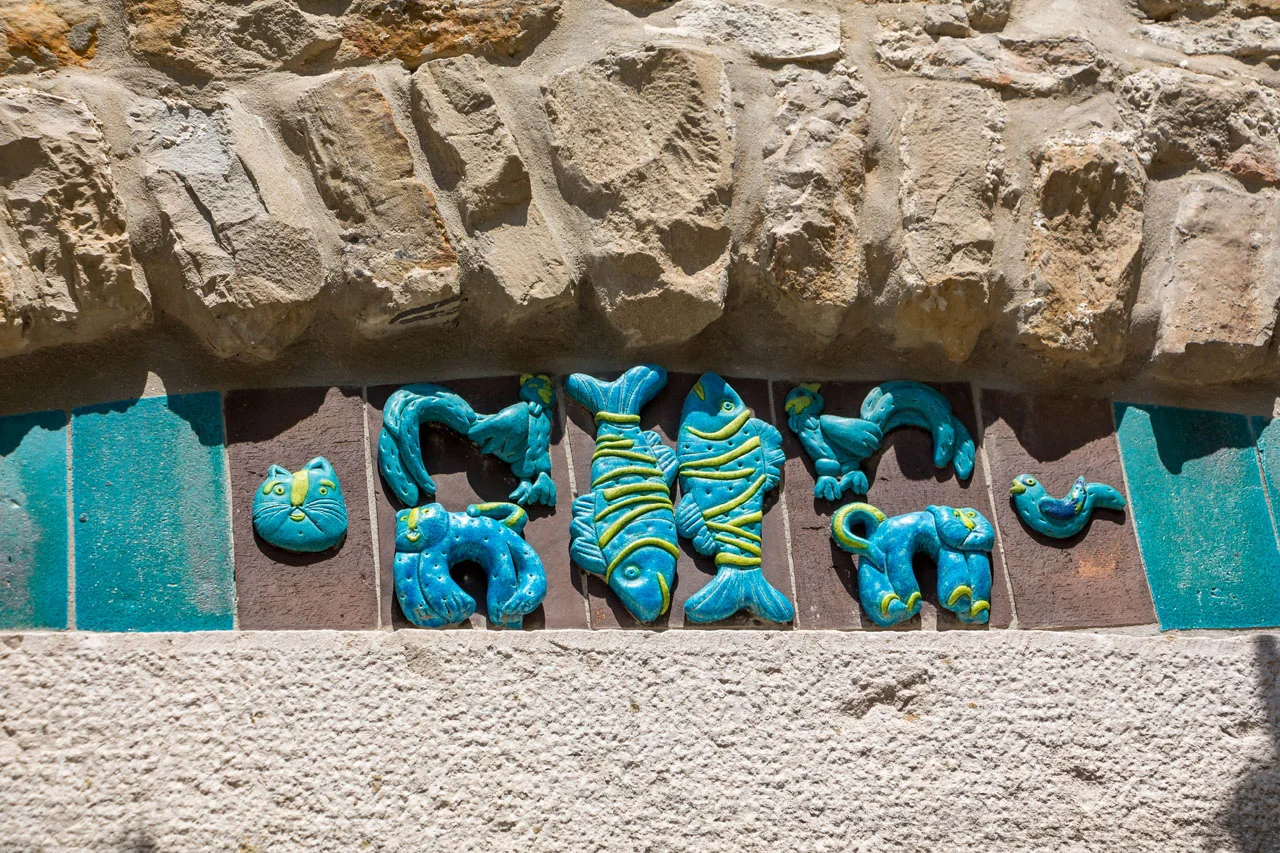
Groznjan-art-details
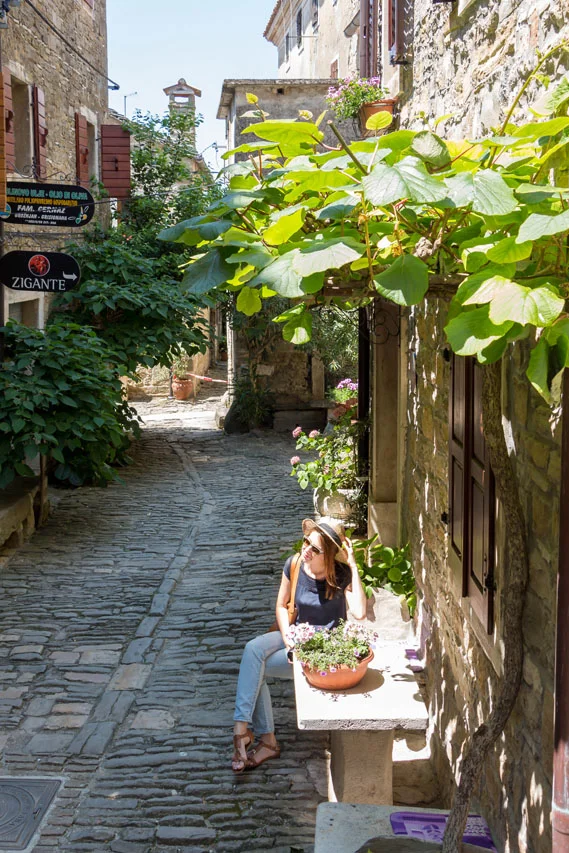
Groznjan-streets
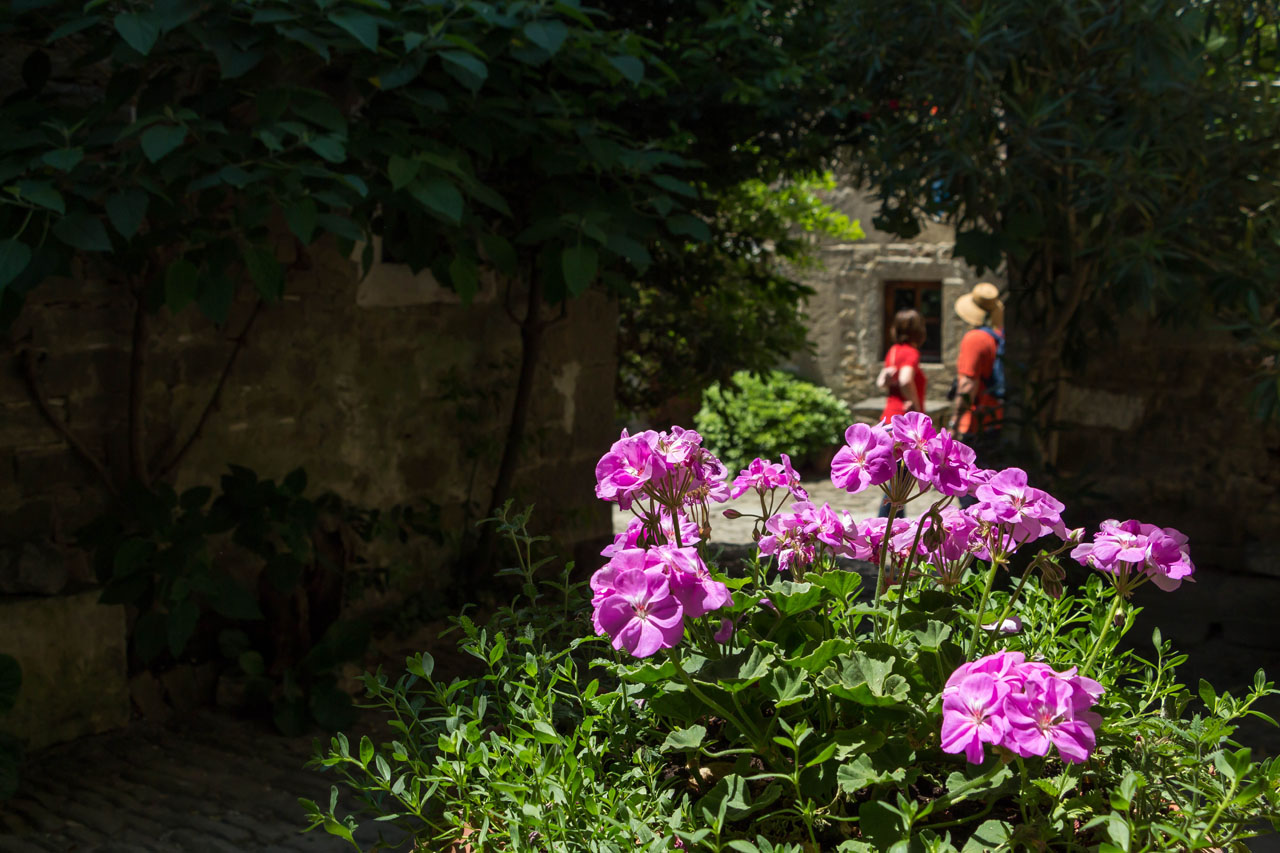
Groznjan-flowers

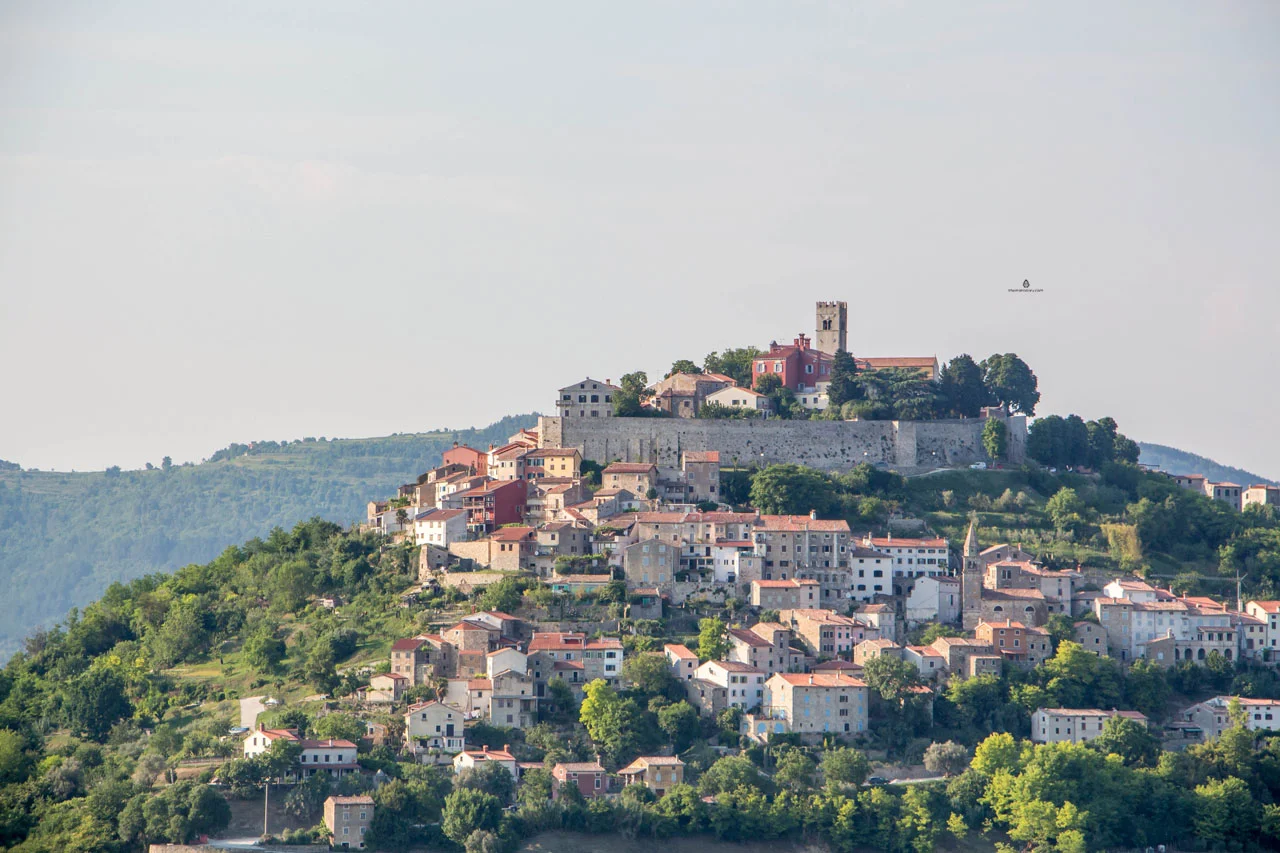
Motovun is both an amazing sight as seen from the river Mirna valley, and an amazing viewpoint of the hilly countryside and orange rooftops. There is a walk that circles around town upon the city walls, and from there you can admire the beautiful landscape of all four sides of the world (namely, Istria). The city loggia looks like a frame for the landscape picture behind it, and I can imagine it being the most photographed site in Motovun. And if you're a film enthusiast, there is a perky film festival held here every year in July.

Motovun-Istria
Motovun-Loggia
Motovun-streets
Motovun-rooftops
Motovun-street-detail
Istria-Motovun

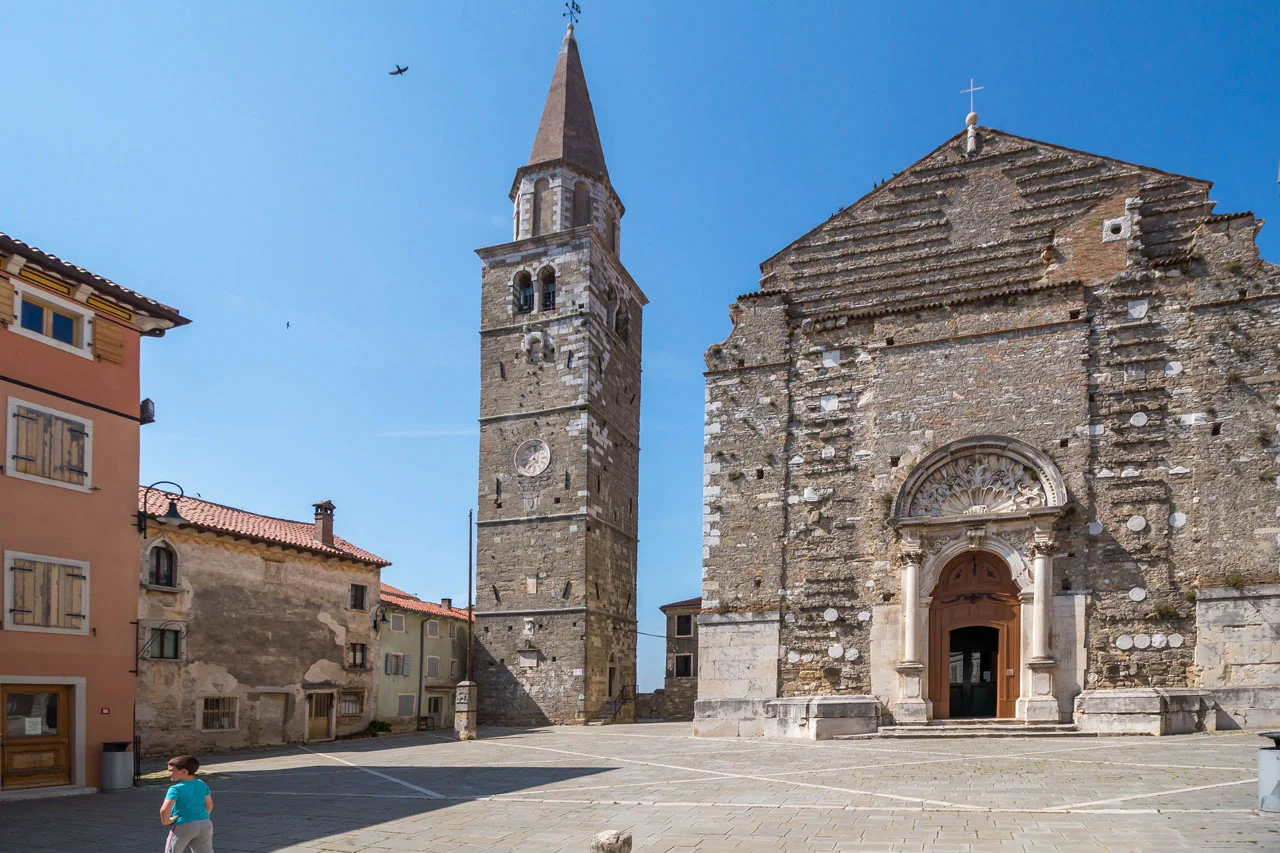
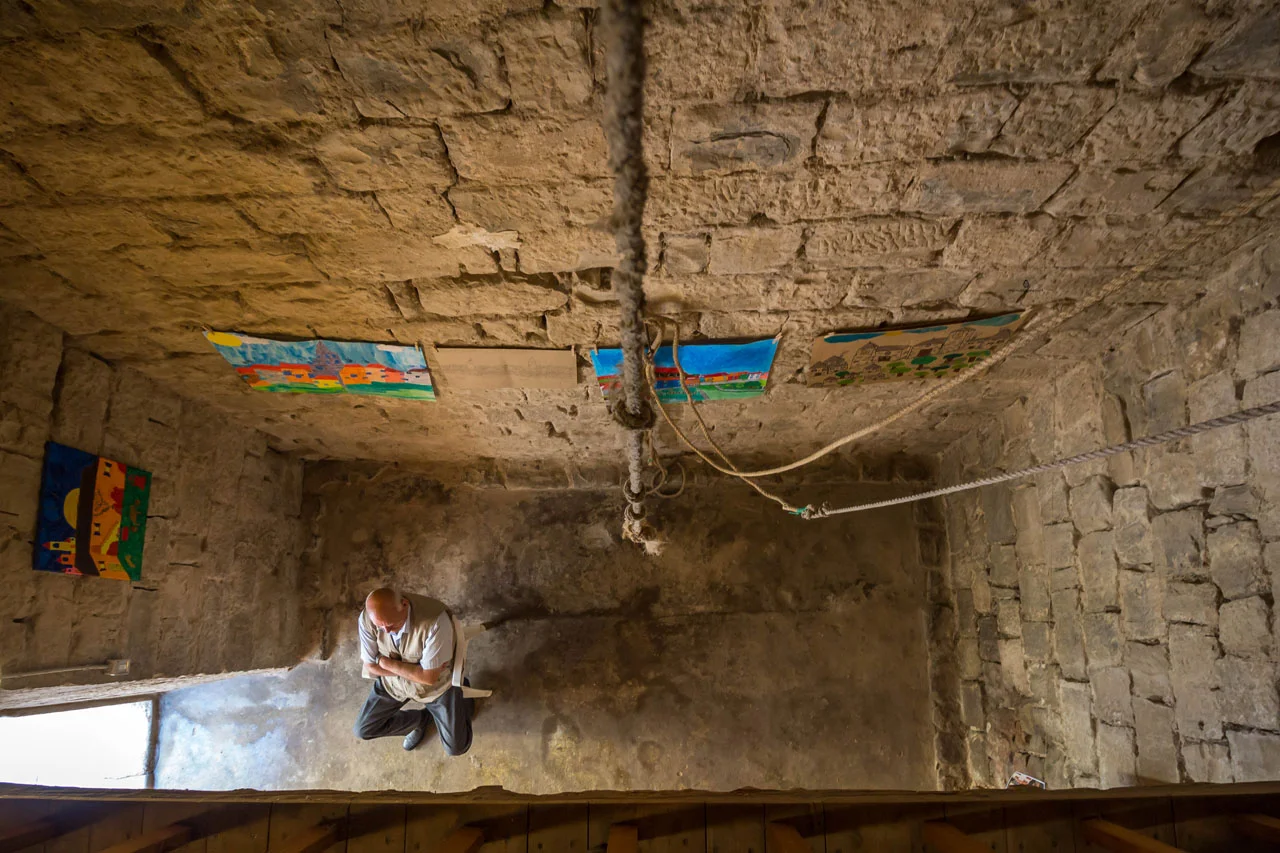
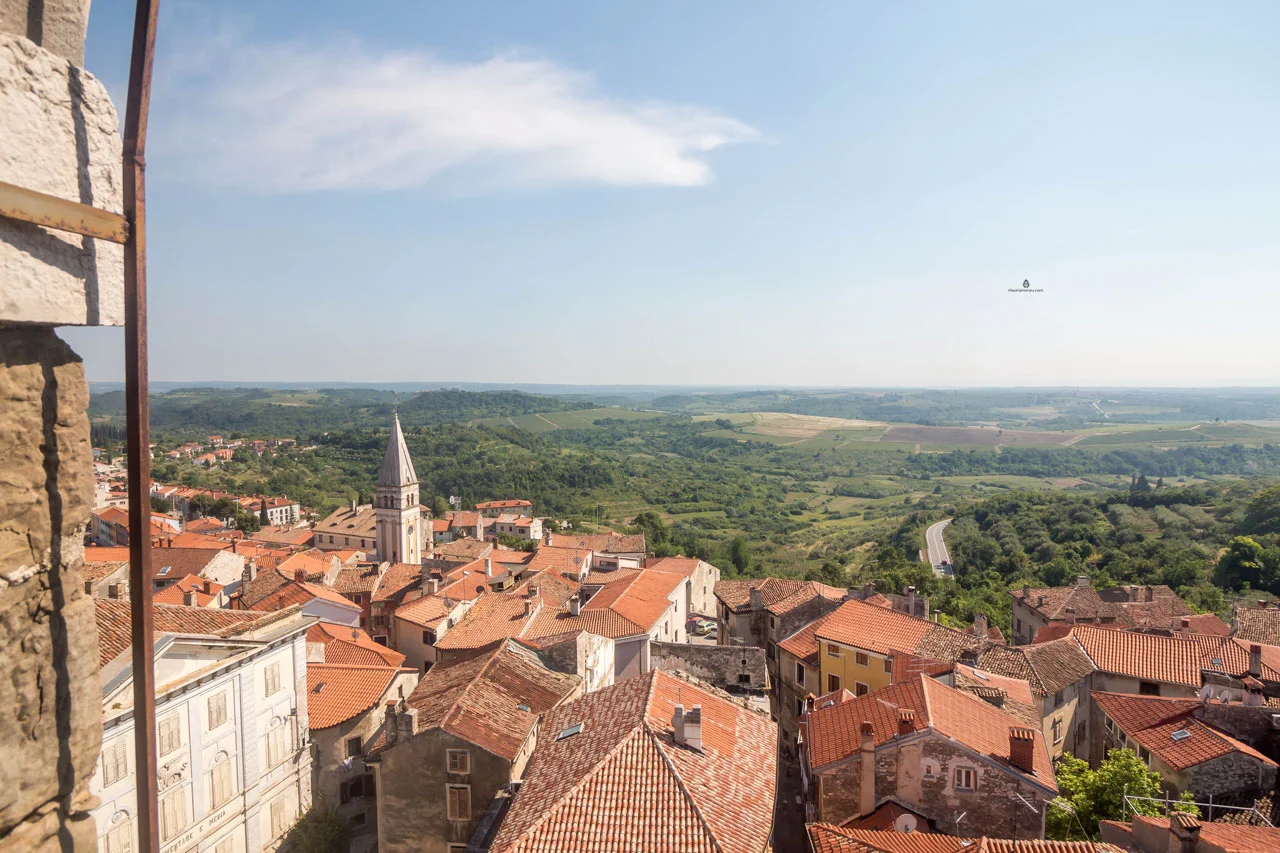
The main square of Buje is a vast open space with the church od San Servolo, giant (50 meters high) bell tower, Venetian style palace, city hall, school and a pillory which once served for punishment and public humiliation, and now serves as a flag holder. The peculiar facade of San Servolo church is made out of brick with reused building material from ancient and medieval buildings called spolia built in it. If you look at the facade you will recognize them as the white stone parts popping out of the brick. For a bird view of the town and its surroundings, climb the bell tower (there is a grid protecting the tower from the pigeons so it's a bit difficult to take nice shots with your photography gear, but we took a few anyways :)).
Bale-San-Servolo-church
Buje-bell-tower
Buje-view

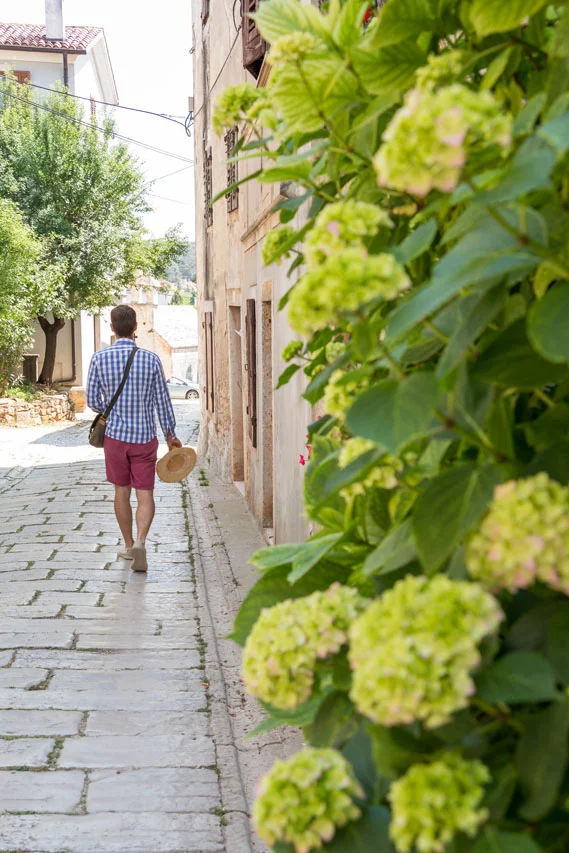
As every Istrian hilltop town, Visnjan offers some great views from the square and the loggia in front of the neoclassical church of St Quiricus and Julietta. The cobbled streets are adorned with flowers and there is a nice arbored walk with chestnut trees giving much-needed shade to the main street. If you're into astronomy, Visnjan has a planetary that's doing a good job in education, especially of younger ones. There is also a pretty cool event called Astro Fest held every 21st of June, where people gather to welcome the summer solstice. The lectures on astronomy, ethno music, dance and games last until the first rays of sun appear.

Visnjan-streets
Streets-of-Visnjan
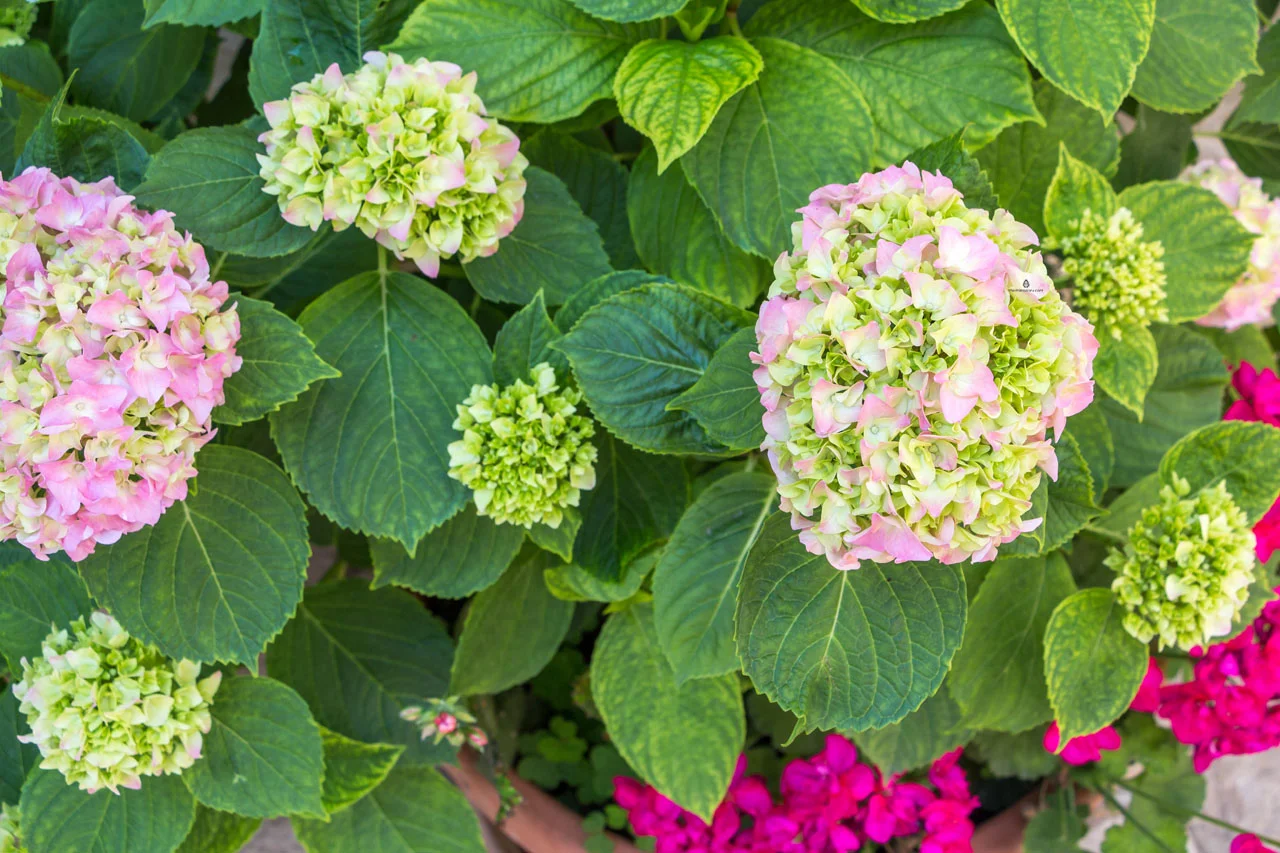
Hortensia-plant

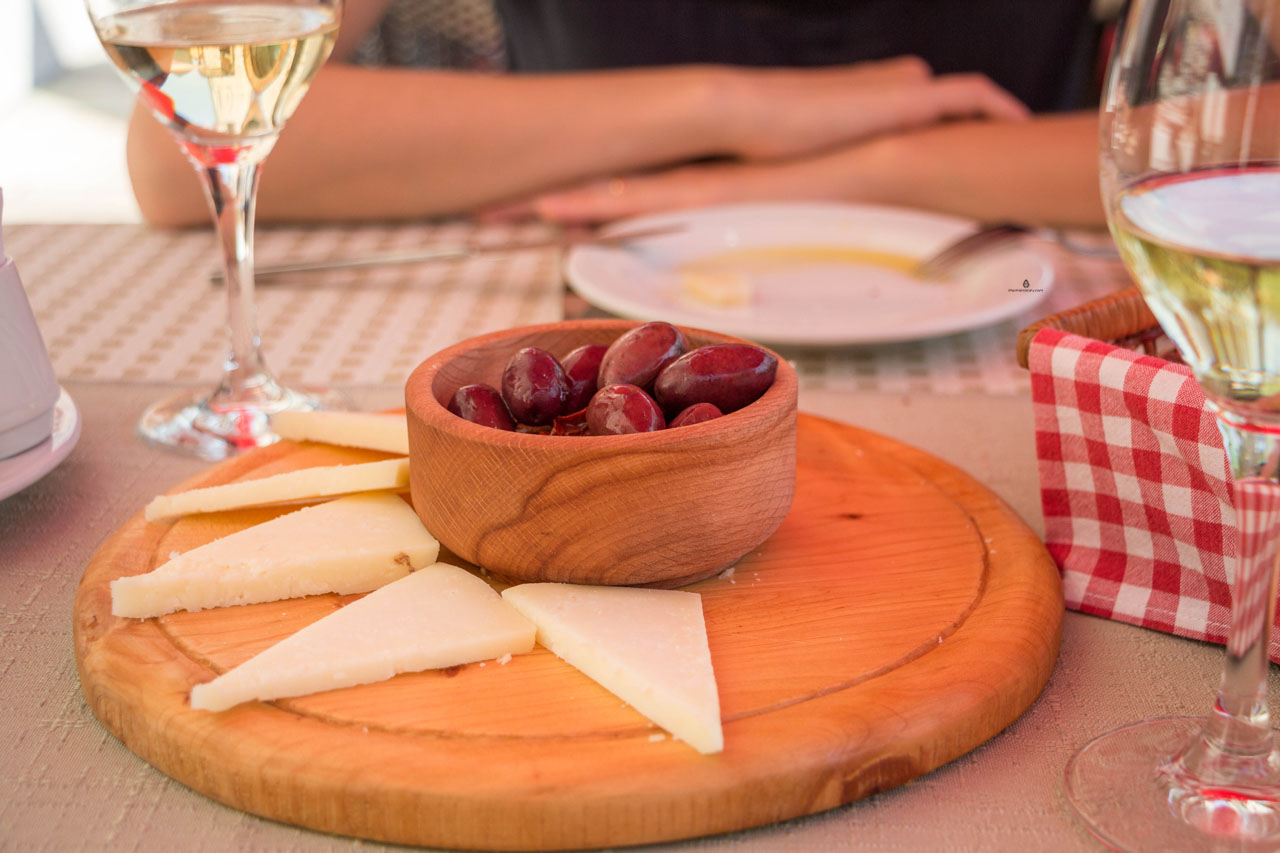
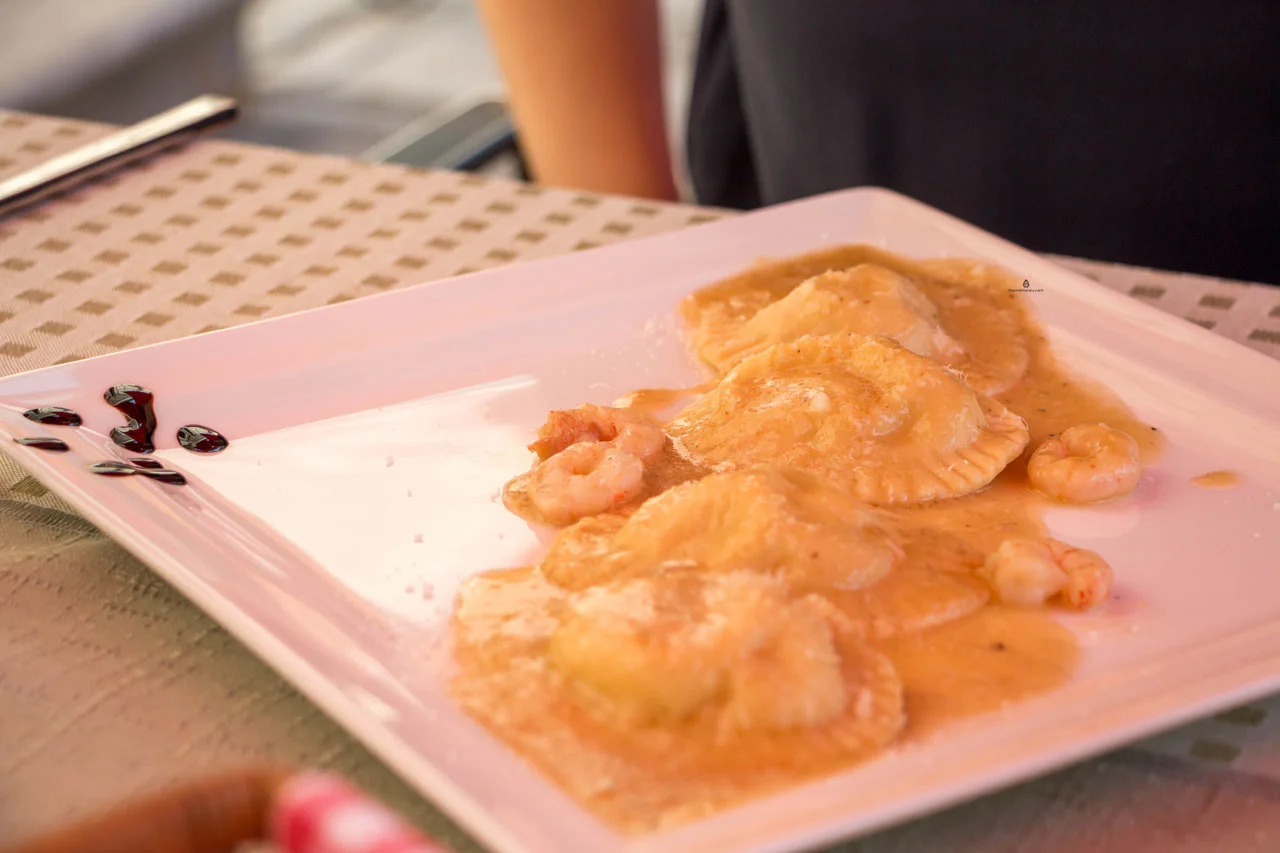
After a long day of wandering we had to have lunch, and we wanted to try a restaurant near Buje which made it to the top in Istria on Tripadvisor, but thanks to our luck it was Wednesday, and they do not work Wednesdays (that is so typical of our trips!!). We found an alternative, easily, and enjoyed some tasty Istrian cheeses, olives and olive oil, pasta with truffles and ravioli with sea bass. I can understand why Istria is making its way to a foodie destination!

Istrian-cheese
Fish-ravioli


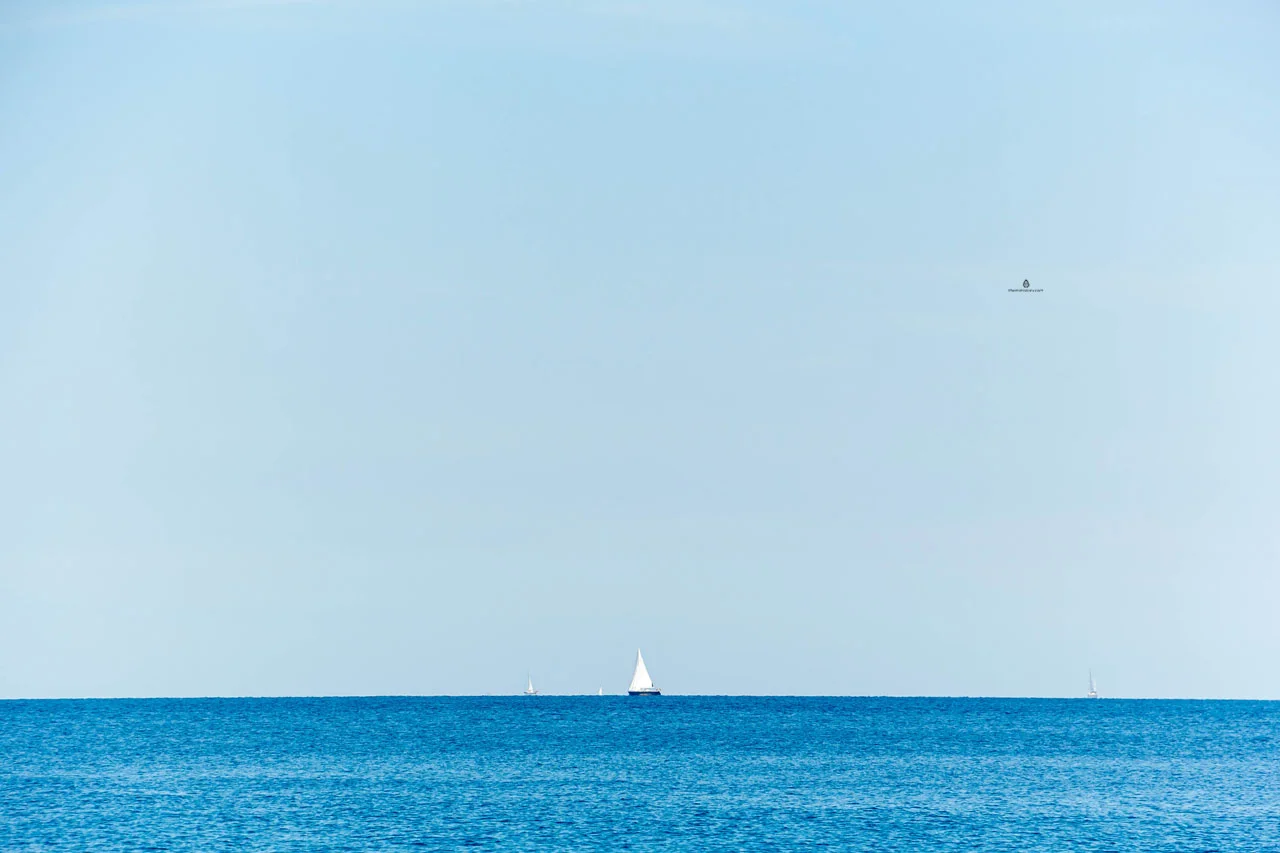
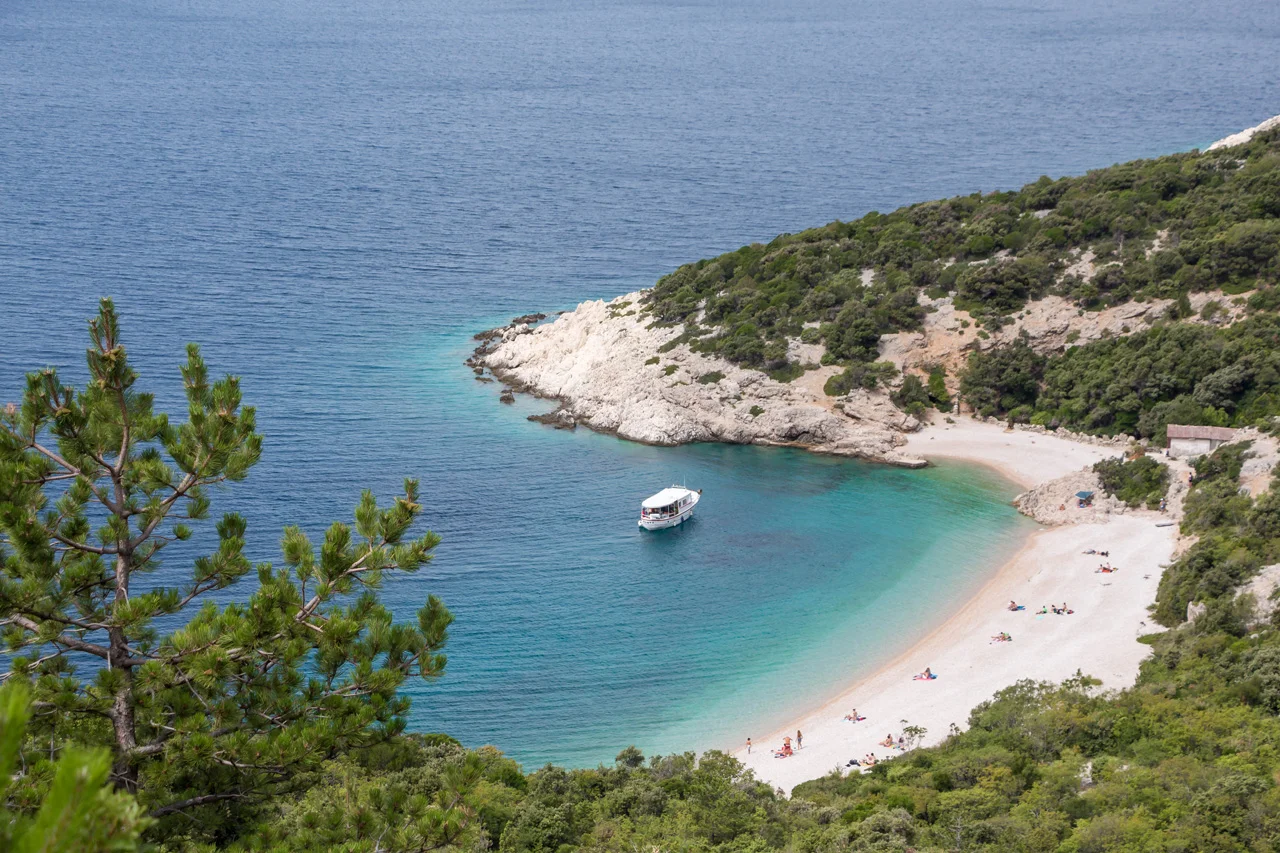
The best part of Istrian countryside day trips is that, if you're tired, if it's too hot, if you ate too much (fill the gap by personal preferences), you can always be at the seaside in less than an hour and take a swim in the beautiful Adriatic!

Kamenjak-sea

What are your thoughts on traveling close to home and what is the most beautiful place close to your home? I'd love to hear about it, and maybe get inspired for the next adventures (away from home). :)


Along the seashore of Algarve

Another post about Portugal? Well, yes, and this time it's the beautiful seashore of Algarve that we took so many photos of. The list of Algarve beaches is reaaally long, and in 3 days we've spent there we've seen some of them, but we got the general impression- long, sandy beaches beaten by foamy waves, surrounded by steep cliffs, sea painted with a palette which ranges from turquoise to dark blue, and many flowers along the paths. The strong wind is omnipresent, and when I say strong I mean -making it hard to keep your balance strong-, which we experienced for the first time on the Cabo Sao Vicente (the southwesternmost point of Portugal). The view of the giant lighthouse nested on the steep cliffs is impressive, but the wind was so strong that we stayed in the car, drinking portuguese beer and eating snacks. Watching the sun set over that horizon felt like a drive in cinema (whit special 4D effects as our car was literally shaking on the wind).

We spent those 3 days mostly walking, soaking up the salty ocean air, admiring the landscape and taking photos. The towns along the shore are pretty touristy oriented, but we didn't came for towns, we came for nature, and it didn't disappoint. As the pictures speak for themselves, I'm cutting this post short and leaving you to admire these wonderful landscapes.

Peculiar rock formations on Praia da Marinha near Lagoa

Peculiar rock formations on Praia da Marinha near Lagoa

sea-foam
Seaview near Benagil

Seaview near Benagil

Praia de Benagil, starting point of beautiful seashore trail

Praia de Benagil, starting point of beautiful seashore trail

Beaches along the walking trail near Benagil

Beaches along the walking trail near Benagil

Cliff arches near Praia do Amado

Cliff arches near Praia do Amado

algarve-cliffs
Lighthouse near Cabo Sao Vicente

Lighthouse near Cabo Sao Vicente

beach-rocks
Hiking trail over Praia do Amado

Hiking trail over Praia do Amado

Praia do Amado, a popular surfing spot

Praia do Amado, a popular surfing spot

praia-amado
little-rock
amado-beach
sand-formations
praia-amado-algarve
mint-on-the-beach
Windsurfing on Praia da Bordeira

Windsurfing on Praia da Bordeira

Our favorite- Praia de Odeceixe

Our favorite- Praia de Odeceixe

praia-algarve
praia-odeceixe
odeceixe-praia
odeceixe-beach
algarve-seashore

Searching for medieval traces and proper local food in Alentejo

Since the last two weeks have been pretty hectic, I failed to keep my one-post-a-week idea going. Today is Wednesday, the middle of another busy week and a perfect day to get inspired by browsing through my photos and sorting out my thoughts about our few days spent in the Alentejo region of Portugal.

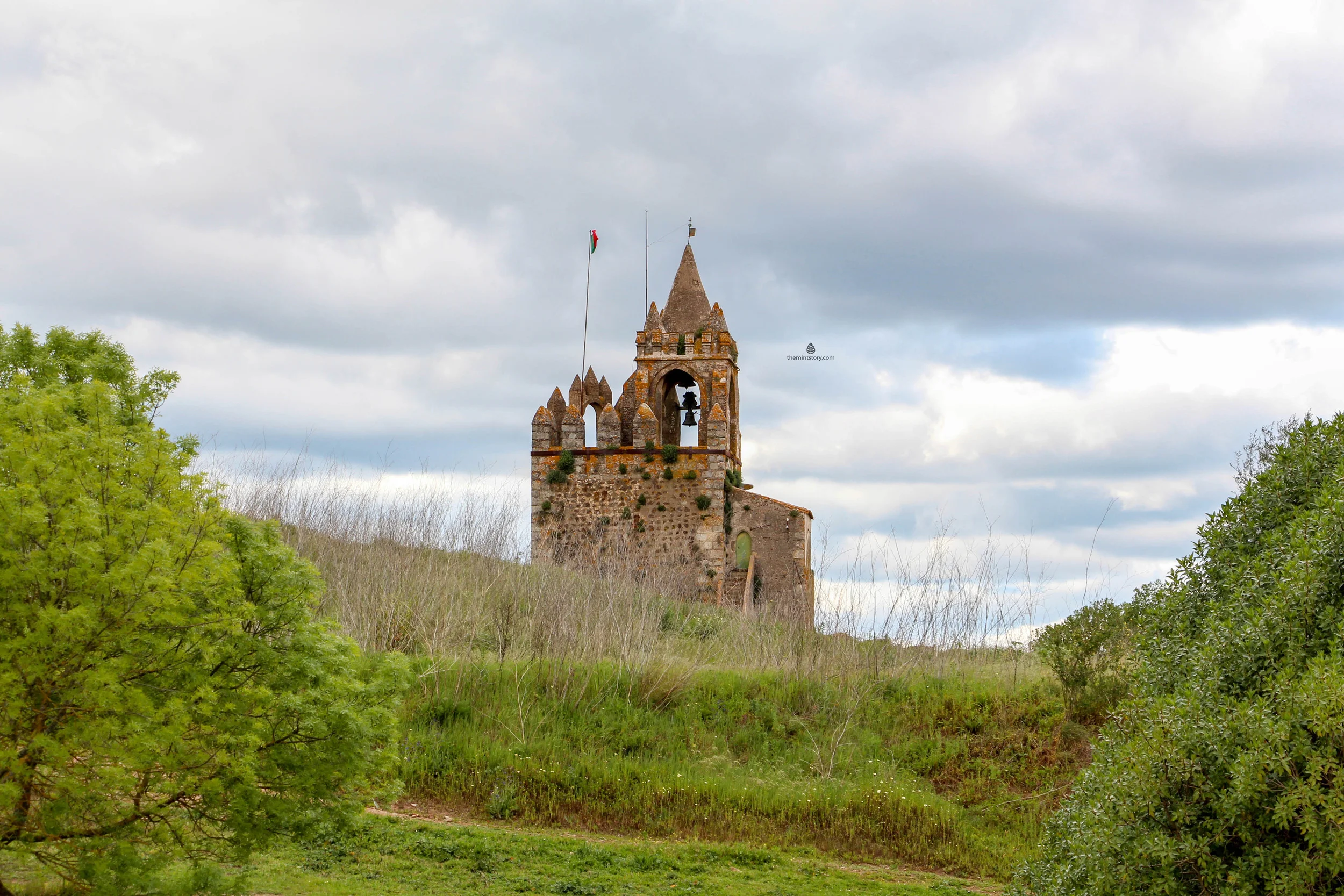
The castle of Montemor-o-Novo in Alentejo

The castle of Montemor-o-Novo in Alentejo

As I wanted to see a bit of everything- the big city, the countryside and the seaside, our next stop after Lisbon was the town of Evora in the interior of the country. Driving through the Alentejo region would be something I'd put on every itinerary when visiting central/southern Portugal. 

The landscape resembles a painting with its wavy green meadows dotted with cows and sheep, shaded by puffy clouds and cork oak trees (this region is one of the biggest producers of wine bottle corks in the world), while the storks are nesting on almost every anchor tower. 

When the landscape is beautiful, I really enjoy the drive, especially if there is a low traffic and the roads of Alentejo are literally empty- we would drive for half an hour without seeing another vehicle! We liked the landscape so much, that we decided to get off the highway and take a laid back drive through the picturesque countryside.

The ruins of the Montemor-o-Novo castle

The ruins of the Montemor-o-Novo castle

On the way from Lisbon to Evora, there is a town of Montemor-o-Novo with medieval ruins on top of the hill which dominate the whole scene. Since we weren't in a hurry, we decided to visit the city and its ruins, and it turned out to be a lovely day trip! The town below feels as if the time has stopped- steep cobbled streets are lined with white washed houses with colorful window frames, elderly residents accompanied by few lazy cats are sitting and chatting in front of their houses and the whole atmosphere is a bit sleepy (but in a good way)!

Poisonous green tile facade in Montemor-o-Novo

Poisonous green tile facade in Montemor-o-Novo

The medieval ruins on top of the hill are dating back to 13th century and some parts like the entrance gate, defensive walls and some of the towers are still standing today. The view of the land is amazing, the entrance is free of charge, and you can basically roam around and climb the ruins as it suits you.

Montemor-o-Novo
Montemor-castle
Montemor-Portugal

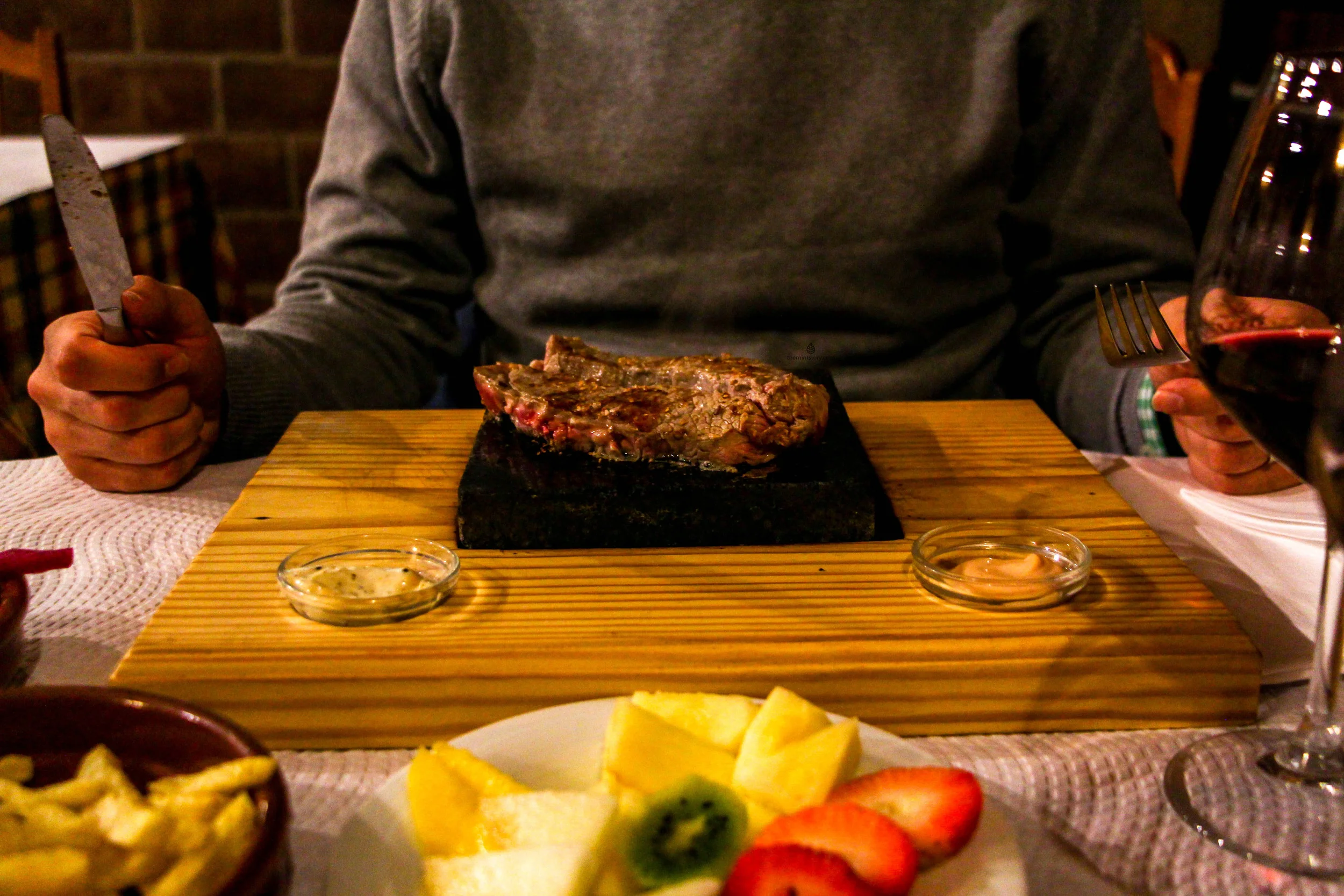
It was evening already when we reached Evora so we didn't have much time (or energy!) to explore the city. Followed by good reviews on Tripadvisor we roamed out of the city center to find a family restaurant called Vinho e Noz, specialized in great local meat- we had grilled black pork and steak made on a hot stone for dinner and it was delicious!

Stone-steak

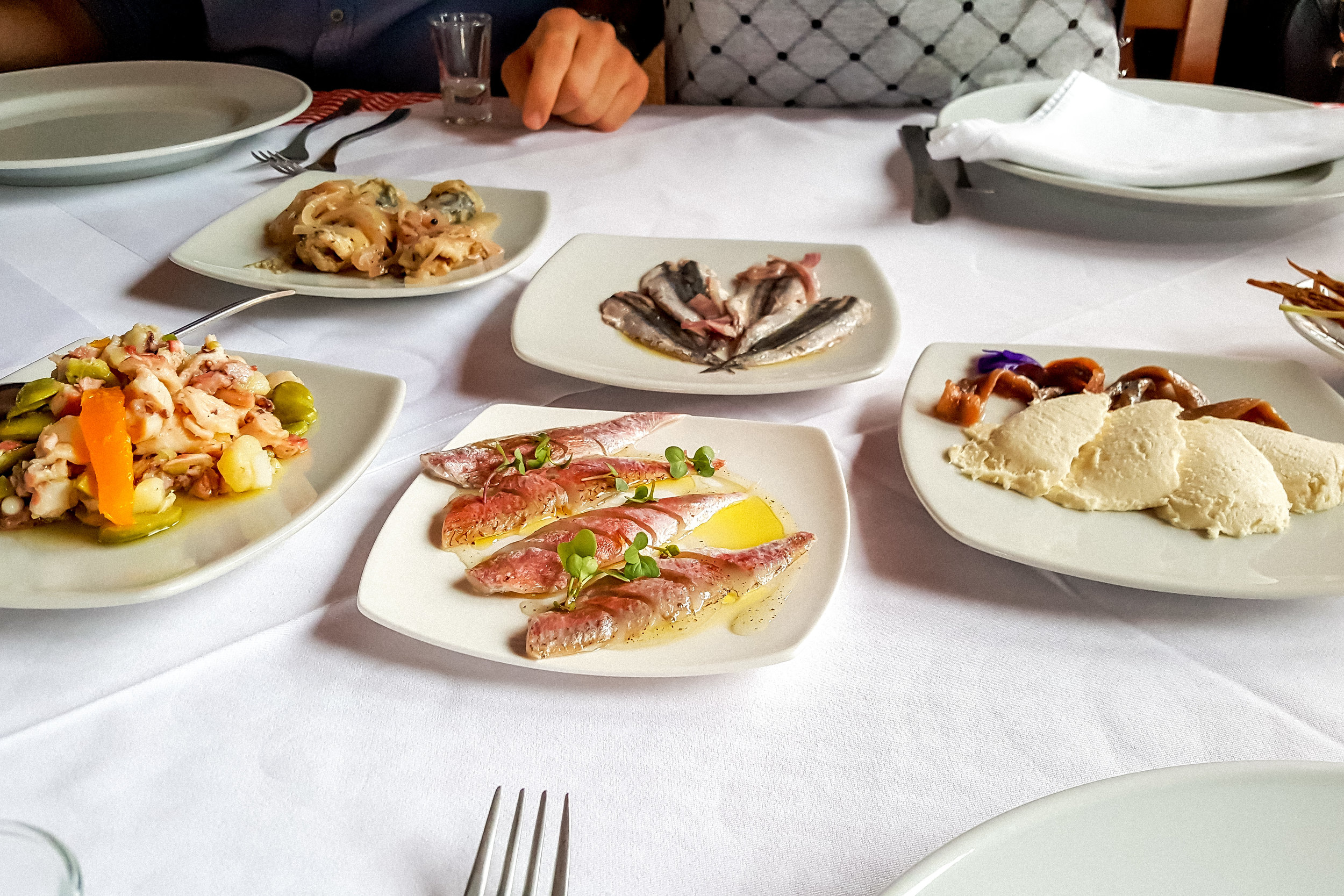
While planning our trip I was looking forward to indulge in great seafood everyone talked so much about, but we ended up eating meat and cheeses (and drinking wine) most of the time, as the local products of Alentejo are of such high quality!

Pasteis-de-nata

Our morning in Evora started in a charming pastry shop called Pastelaria Conventual, where we had the best pasteis de nata in whole Portugal (including the ones we've tried in Belem, their place of origin). Except pasteis de nata, they have all sorts of local sweets, and they're all delicious! If you're visiting Evora, do not miss this place!

The main square of Evora

The main square of Evora

The temple of Diana near the cathedral

The temple of Diana near the cathedral

Evora-Portugal

Evora is a city listed on Unesco world heritage list, thanks to the density of monuments packed inside of the old city walls. We visited the medieval cathedral which resembles a fortress and has a beautiful, peaceful cloister, the ruins of Roman temple of Diana next to the cathedral and the peculiar Chapel of Bones (Capela dos Ossos).

The cloister of the cathedral in Evora

The cloister of the cathedral in Evora

View of the cloister from the cathedral walls

View of the cloister from the cathedral walls

Cethedral-of-Evora

Capela dos Ossos it is a chapel whose interior is completely covered (adorned) with human bones. I've heard about it before, but have never seen one in person and I was amazed by how the human bones served as a decoration to this chapel- the skulls are lining the arches of the nave, the pelvises are put as keystones and the side walls are covered in bones from bottom to top! The inscription above the entrance says something like: " We bones that here are, for yours await", as a reminder of transience of life.

Capela-dos-Ossos
Capela-dos-Ossos-Evora
Chapel-of-bones-Evora

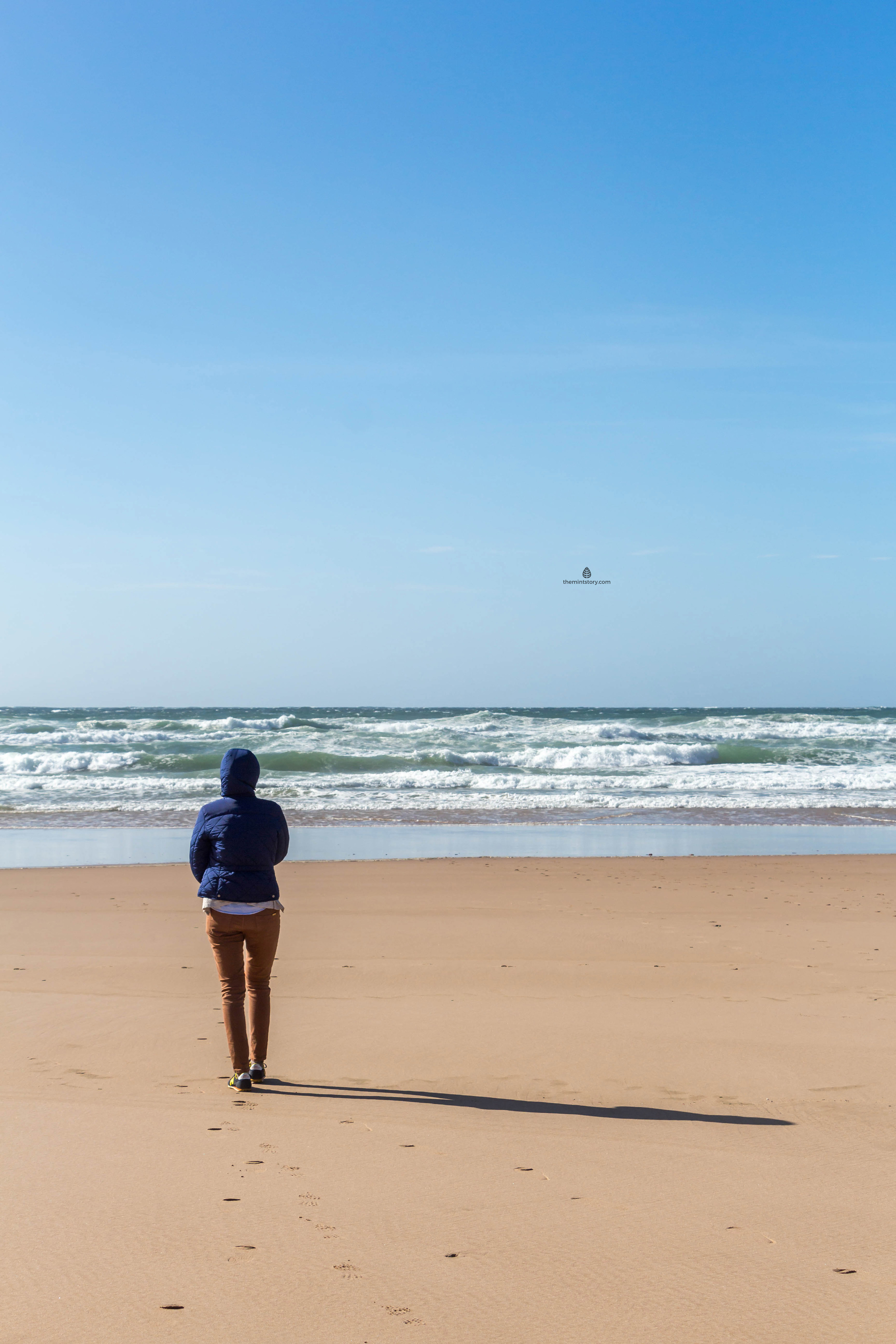
After the unusual experience in Capela dos Ossos we headed south, to our next destination. On our way to the southwestern most point of Portugal (Cape Sao Vicente), we made a stop on one of the numerous Alentejo beaches. It was the beach of Carvalhal near Odemira, first in a row of beautiful beaches we've seen in Portugal. The wind was so strong that I barely dared to peak my nose out of the car, but in the end I couldn't resist the beauty of steep cliffs, clean sand and big, ocean waves, so we took a short walk, breathed the salty ocean air and left for Algarve.

Carvalhal-beach
Portugal-ocean-waves
Praia-do-Carvalhal
Praia-Carvalhal