

We've been wanting to visit Oprtalj in the northern part of the region ever since our Istrian friends that live abroad told us they like to spend a couple of days there each summer, just relaxing, enjoying the views and eating truffle pasta of course. They also told us of a little abandoned, almost forgotten town of Zavrsje, about 10 minutes drive from Oprtalj.
Read More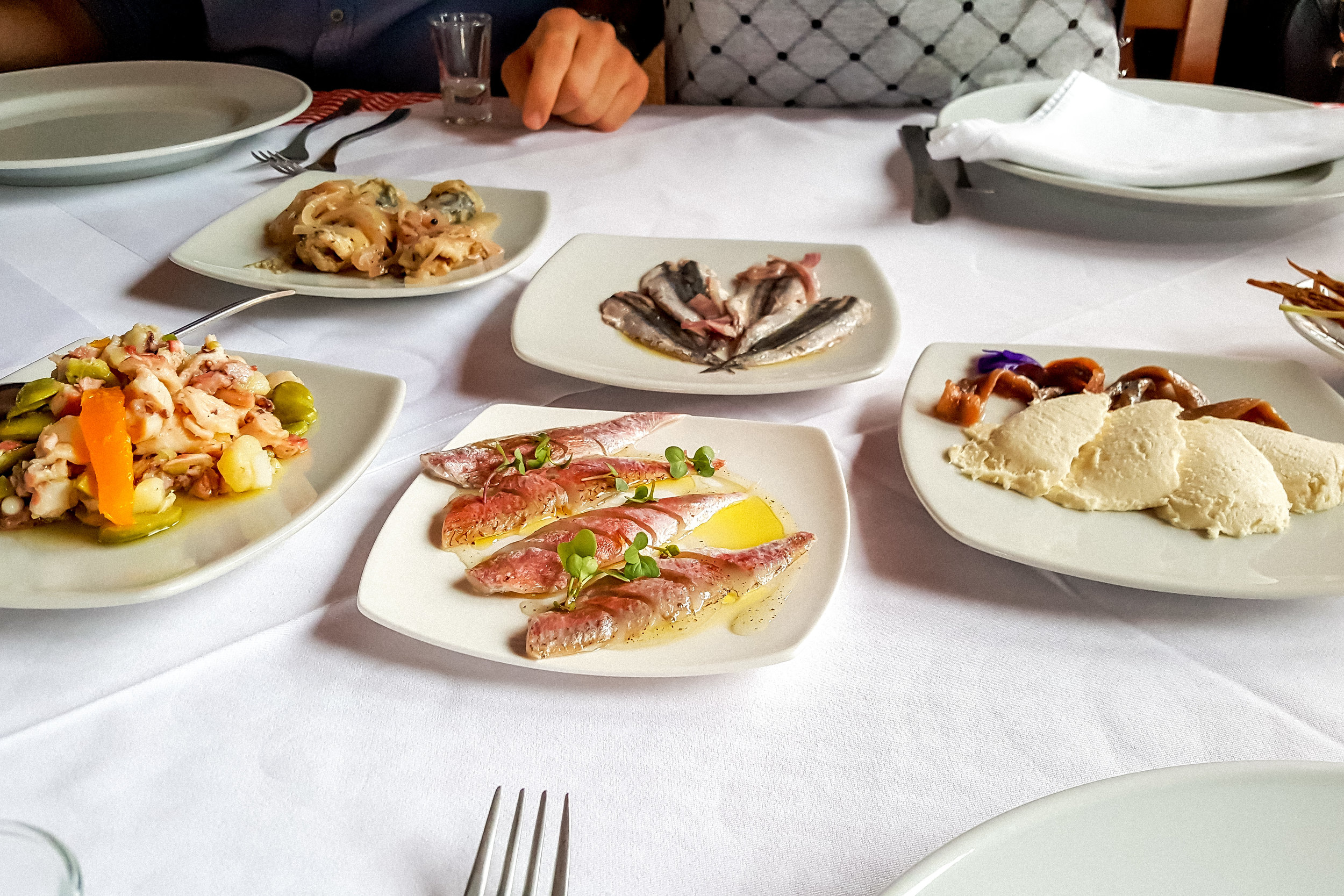
Local's guide to Istria's best restaurants (and one ice cream shop)
As a big fan of Istrian cuisine, I've been wanting to share my favorite places to eat in Istria for quite some time. Istrian cuisine is my favorite in Croatia- there's fish, there's meat, there's quality olive oil, there are truffles!, there's pasta and there's cheese, so what's not to love?
Read More
A day trip to Medoc
Spending a couple of days in Bordeaux calls for a day trip to Medoc, a wine region dotted with chateaus and sleepy villages, extending north of the city, down the left bank of Gironde estuary, to the Atlantic coast. In my last post, I wrote about two lovely days we spent in Bordeaux, and a day trip to Medoc only reinforced our enchantment with the region.
Read More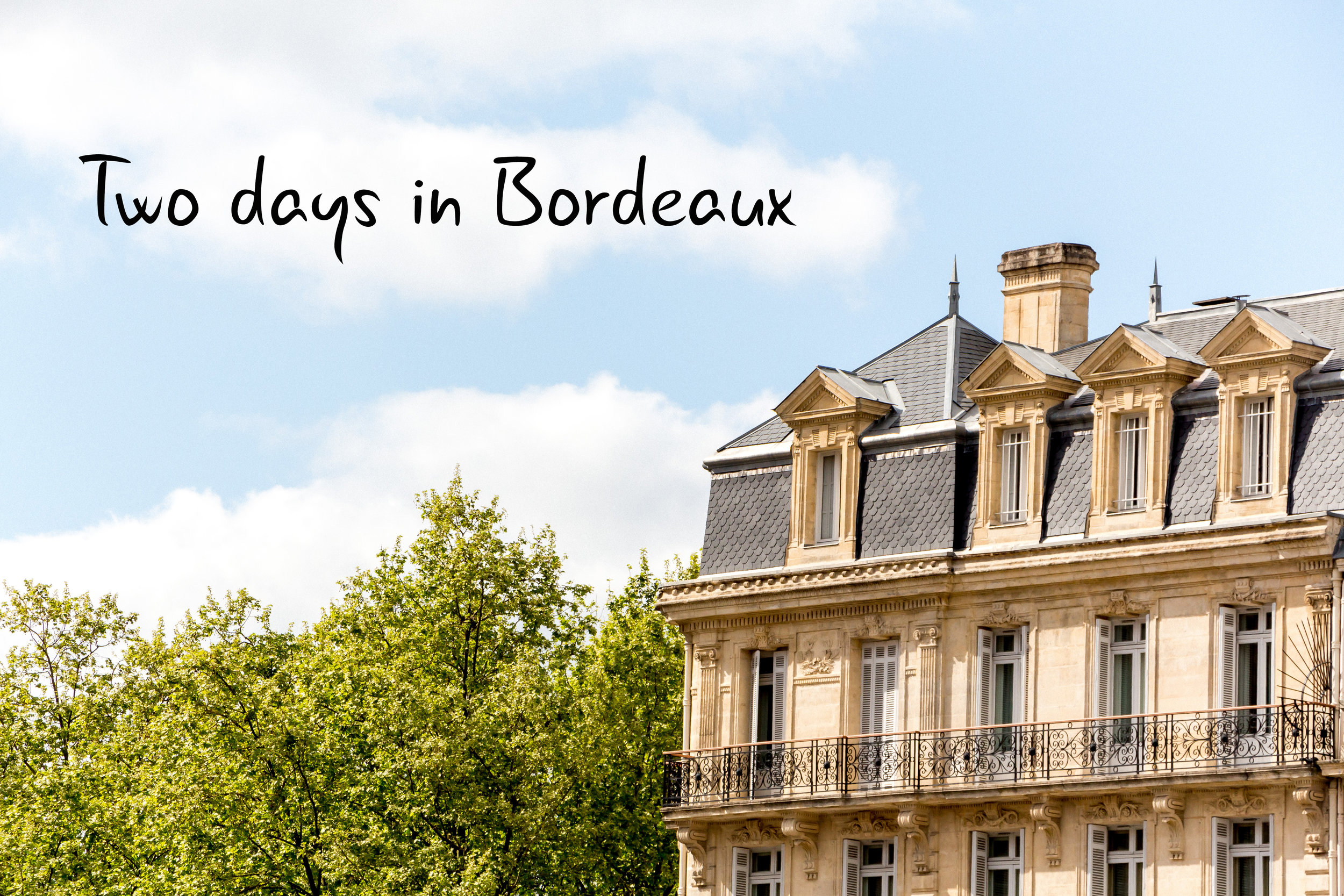
Two days in Bordeaux
I read that the 18th century was the golden age of Bordeaux, and indeed, most of the elegant, golden-hued neoclassical buildings lining wide avenues and spacious squares, date back to that period. But, after a few days in the city, it seemed to me that now is the golden age of Bordeaux as well- the town is very lively with locals and tourists alike, the dining scene is outstanding, the facades and the streets in the historic centre are well groomed, there are countless gourmand and fashion shops...
Read More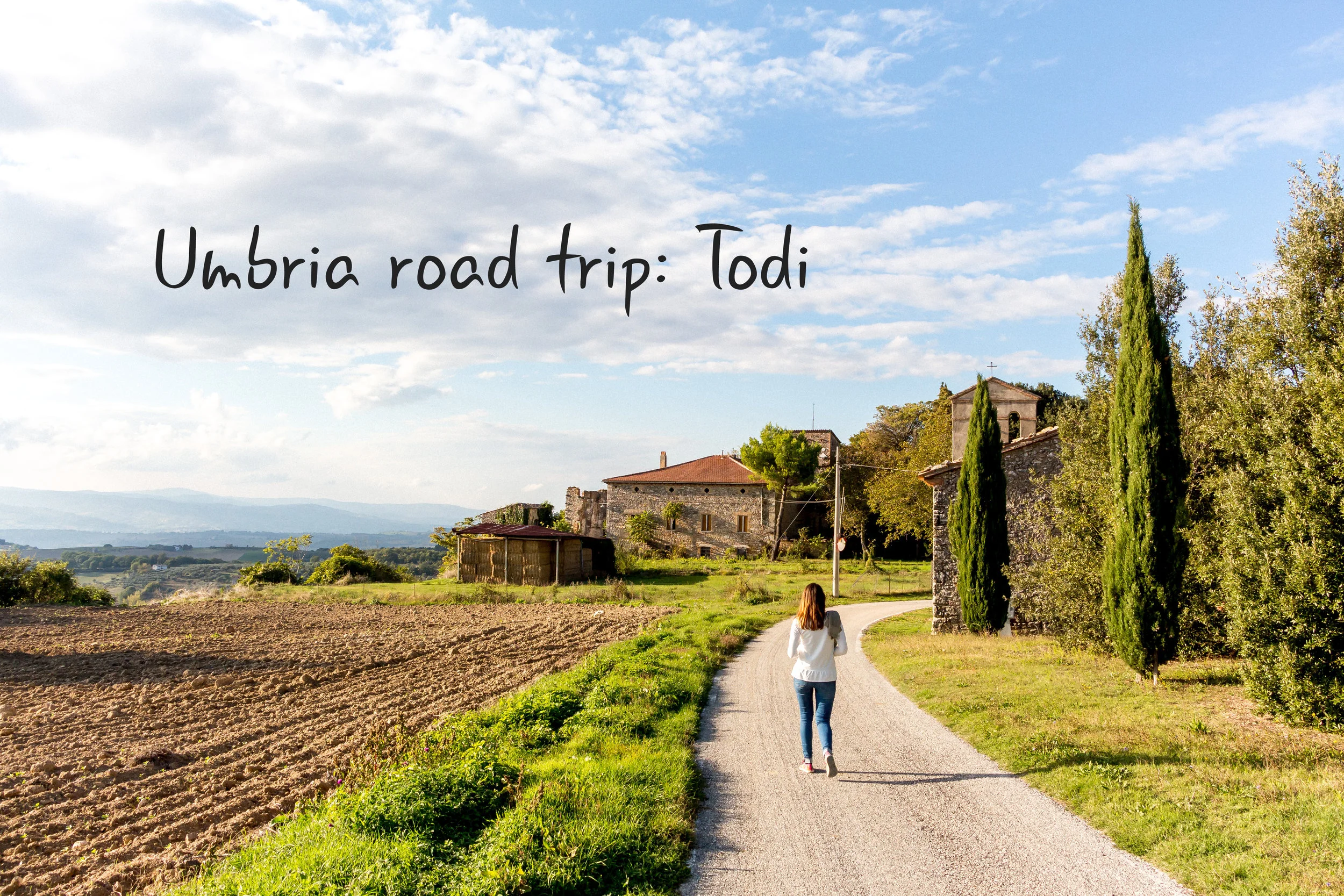
Umbria road trip: Todi
The next day we drove up and down the winding local road to Todi, passing through the fields, vineyards and olive groves, catching a glimpse of the town now and then. When we came to Todi, a thick fog (or was it a cloud?) covered the medieval main square like a blanket, making it look even more timeless. Without the bar and shop awnings and the modern clothing of the passers-by, it could have as well been the 16th century.
Read More