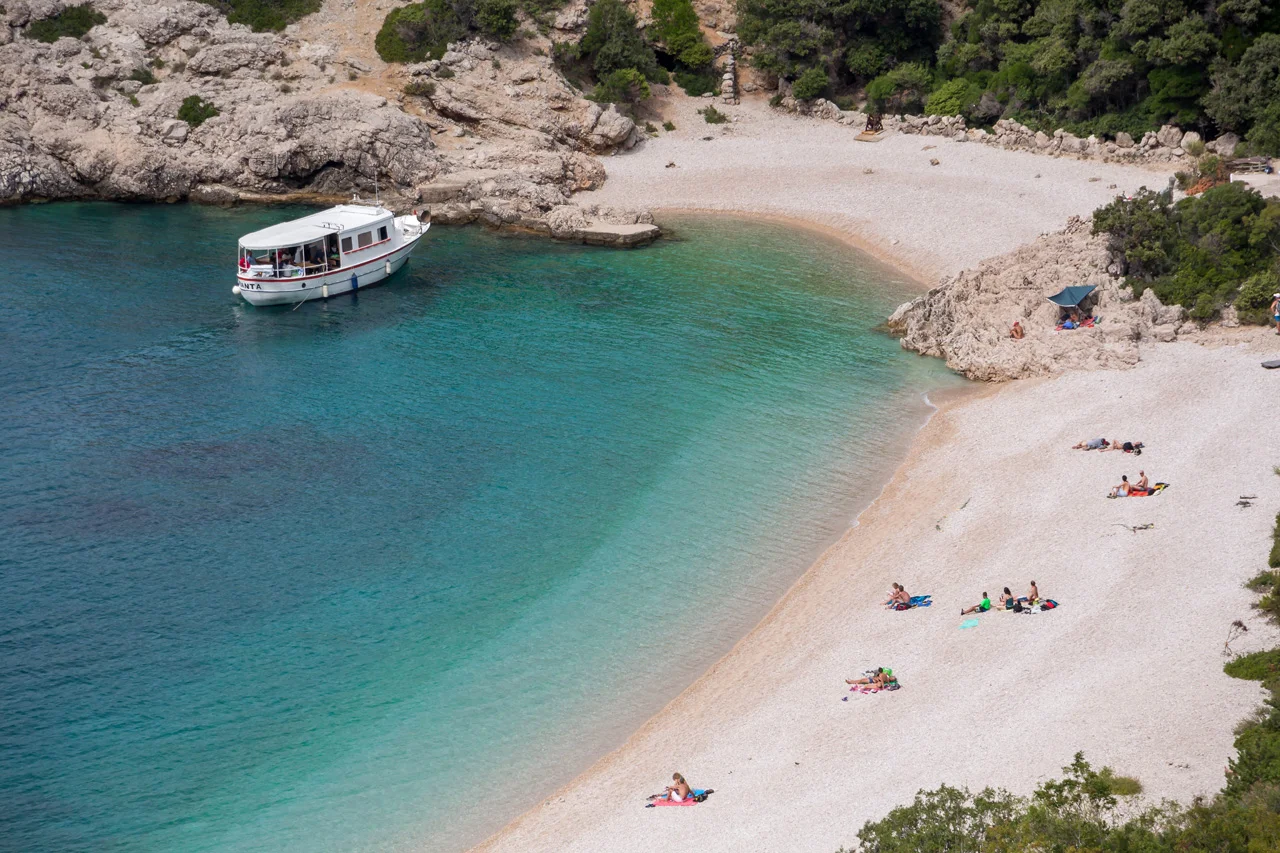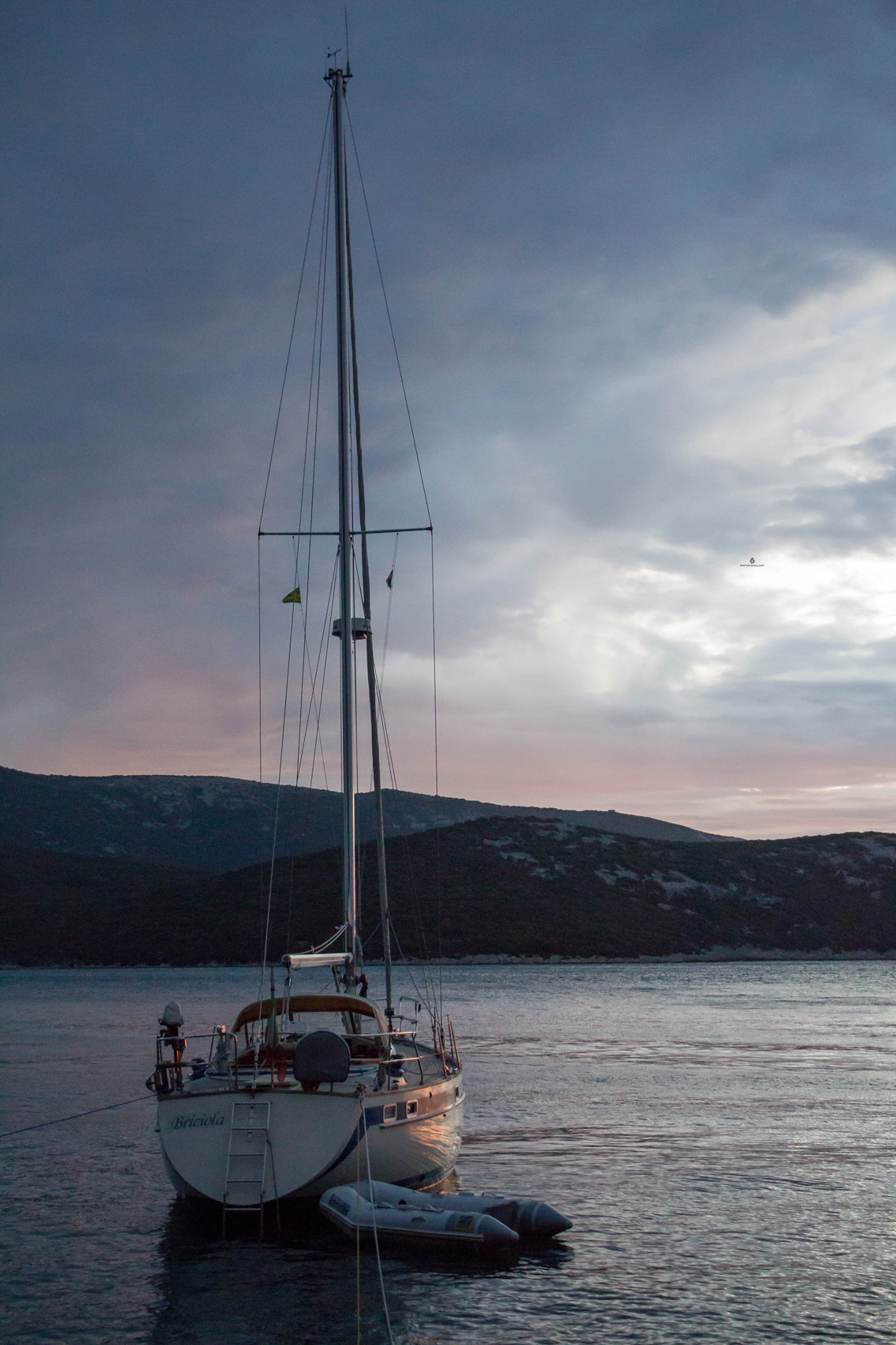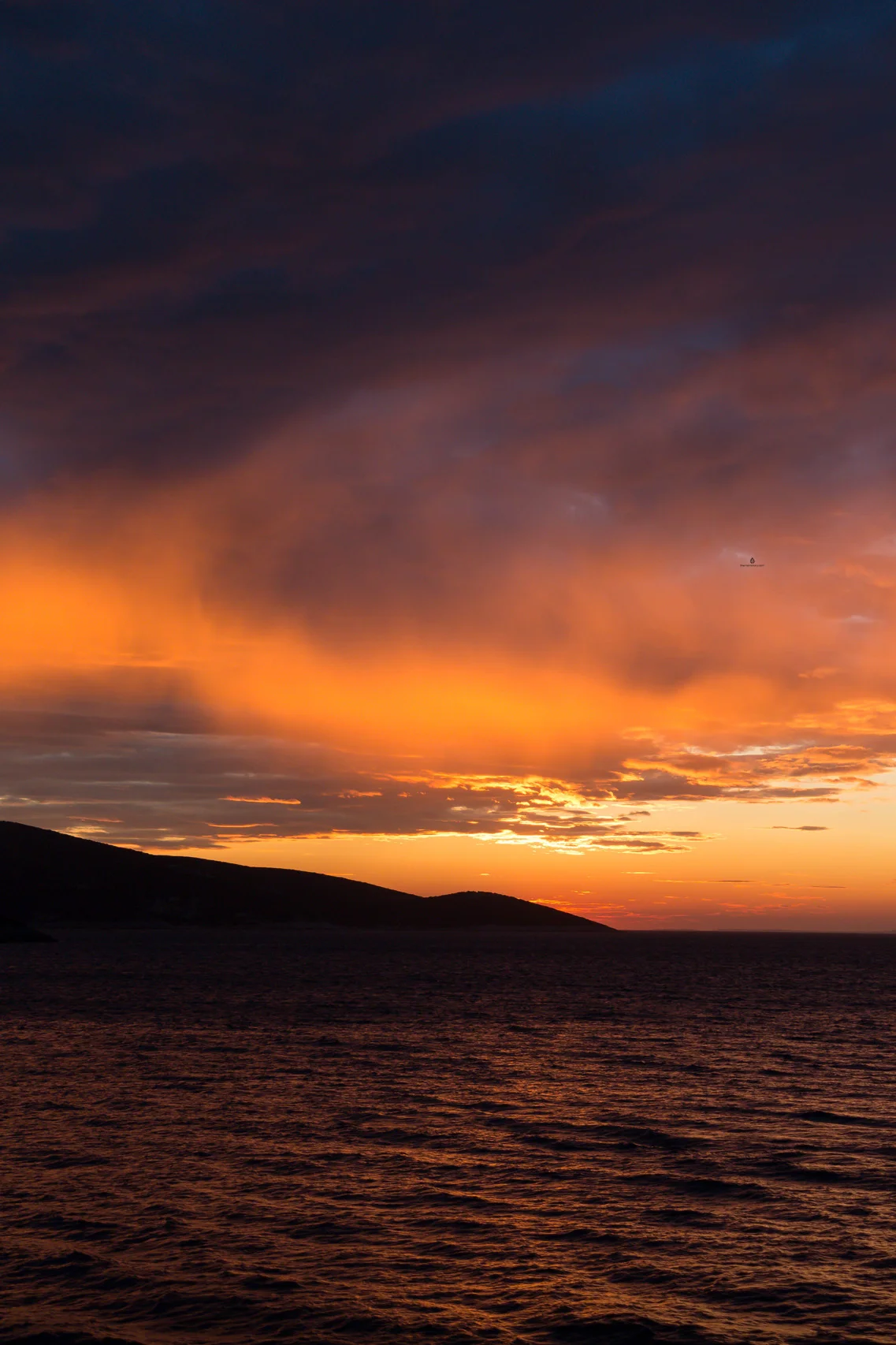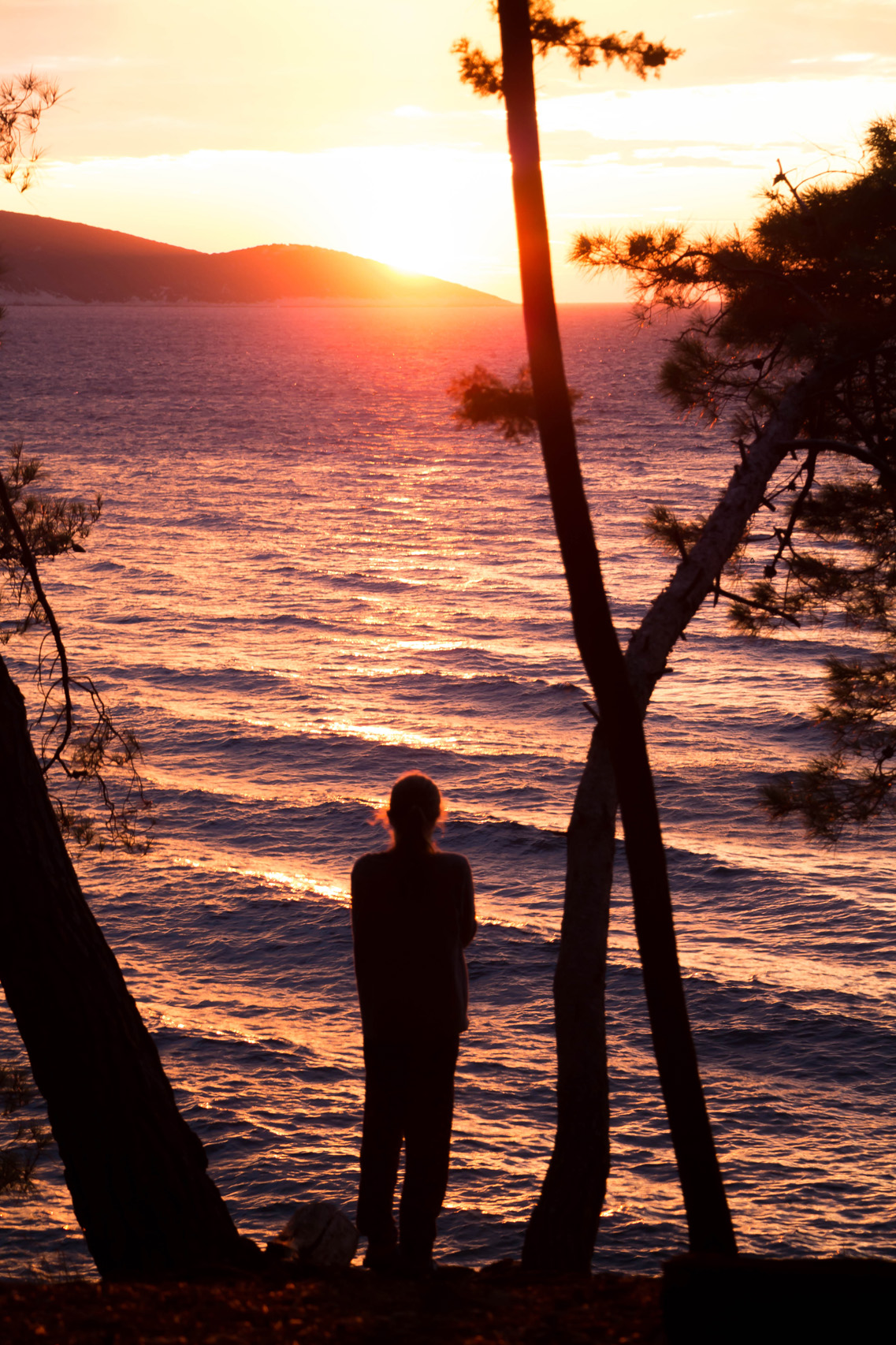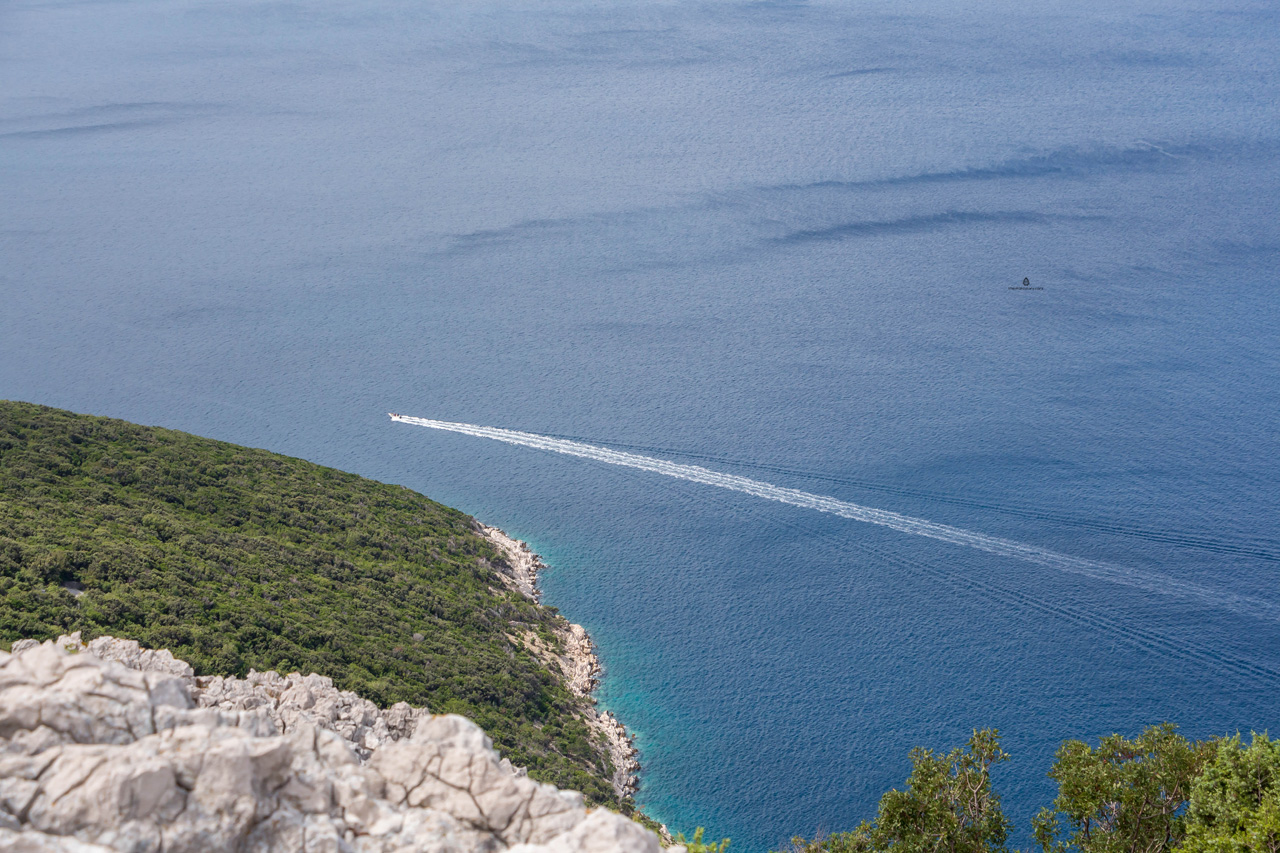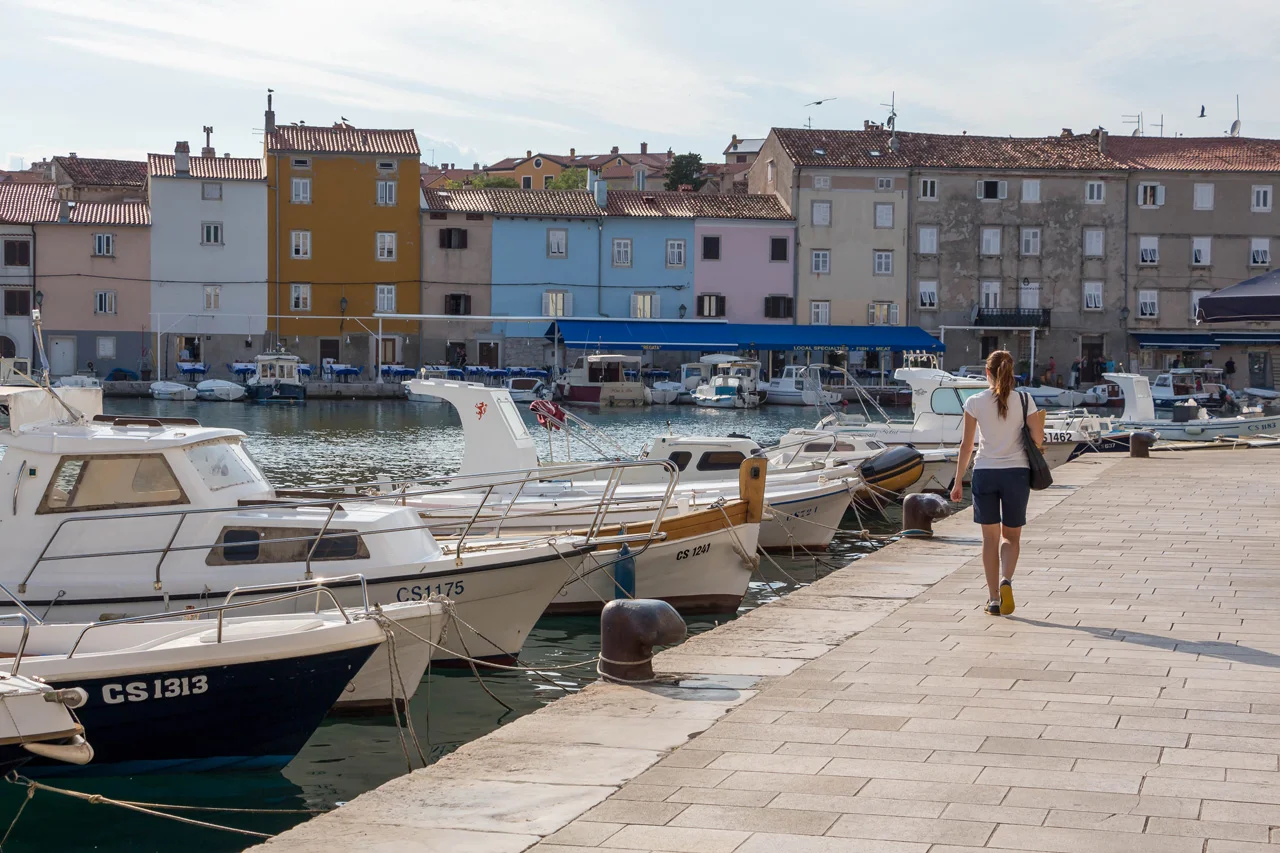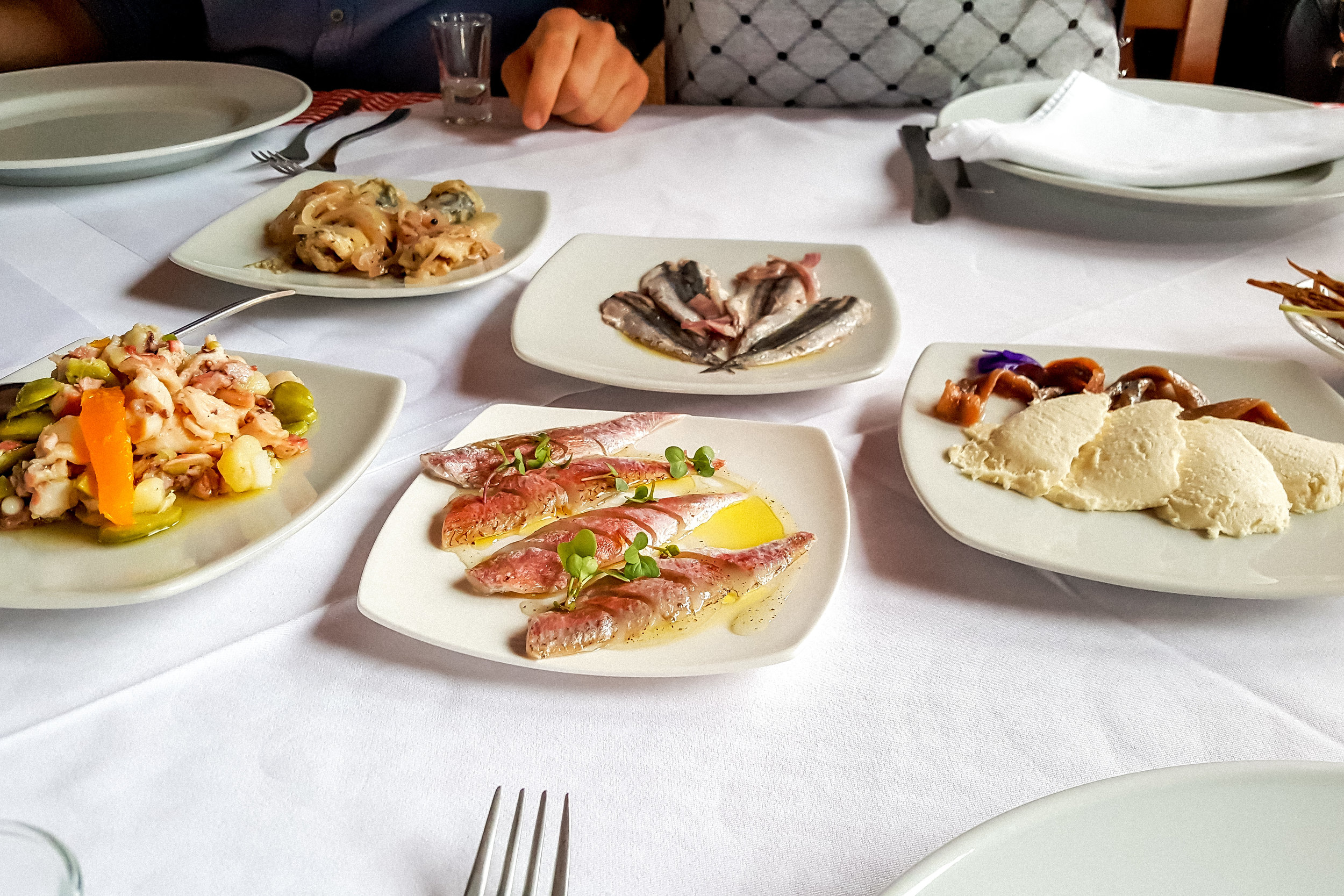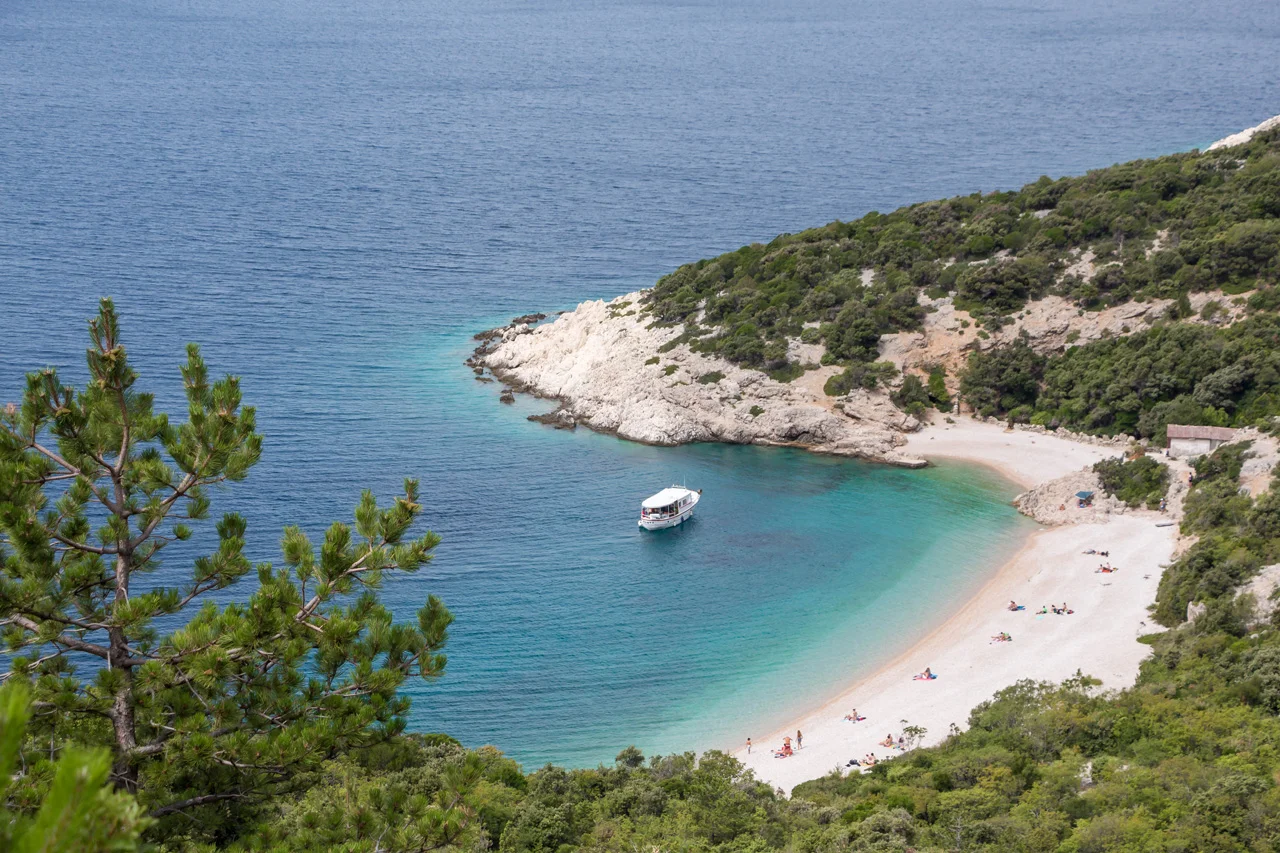
Last summer, or more exactly late summer, we managed to get away again for a few days to the beautiful island of Cres. There is something so calming and fulfilling there that only a few days can completely reset us and refill our batteries. We went camping again to the same camping place as the year before- when something is that good, why change it? The only change was our big new tent which made our stay a bit more comfortable, and a better camera to capture all that simple beauty around us. :) This time we had the luck of catching the most magical sunset from our camp in Osor, and although the photos are pretty nice, it was something special indeed in person. One part of our excitement with Cres is certainly the food- you can't get fresher, bigger or tastier shrimps that the ones caught between the island and Istrian peninsula; or if you're more into meat, famous Cres lamb is something not to miss. For shrimps, I warmly recommend Bistro Melin in the city of Cres, and for the lamb Konoba Bukaleta in the countryside, where you can also taste some exceptional local sweets! The beach beneath Lubenice was as beautiful as we left it the year before, only the sea was crispier and fresh September wind was kind of announcing that summer was almost over. I'm hoping to go back again this year, as few days on Cres have sort of become essential part of our summer. I decided that this was going to be a photo diary post so I'm leaving you to some bits and pieces we captured along the way.
Nature escapes: Soca river valley
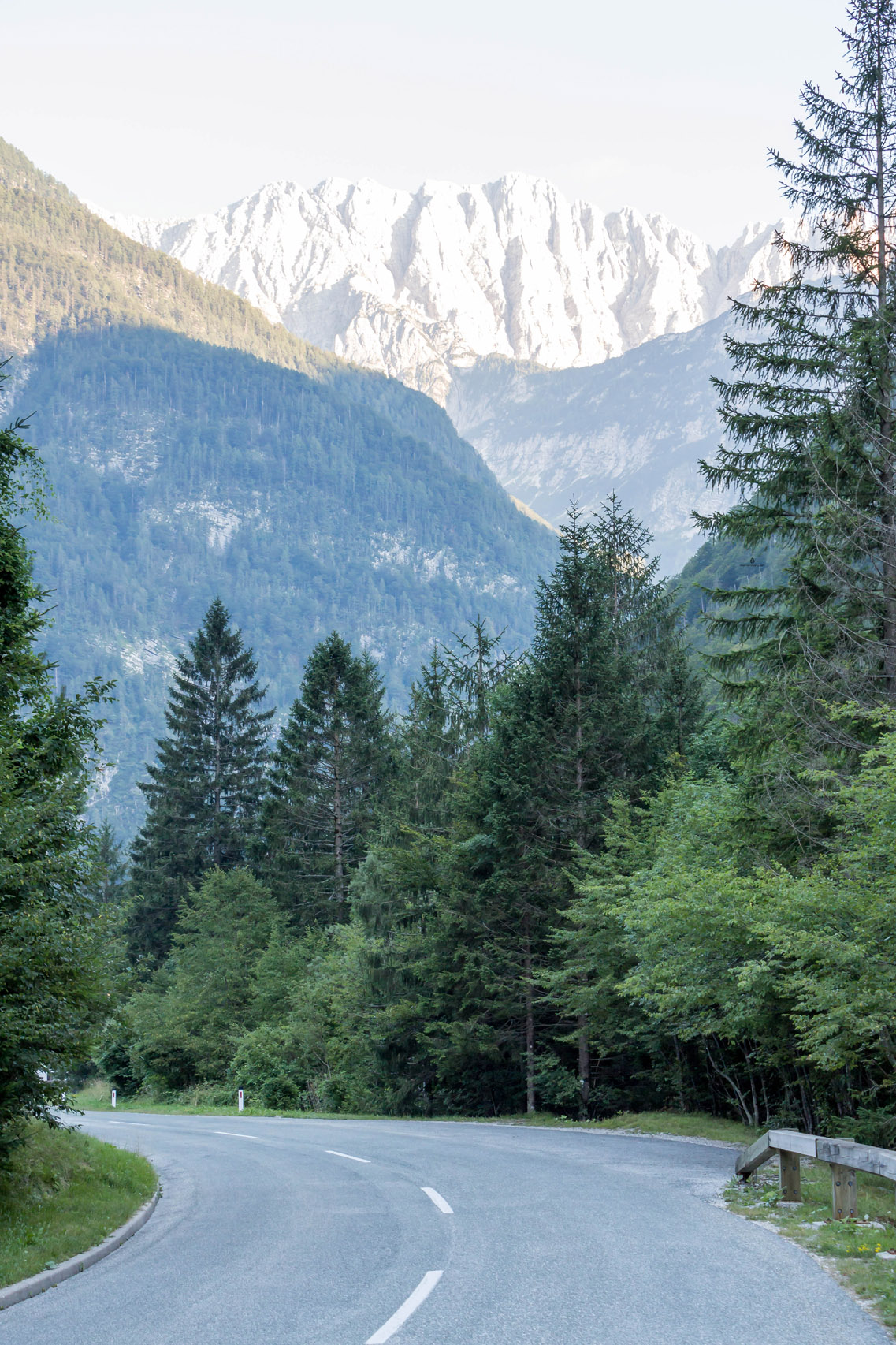
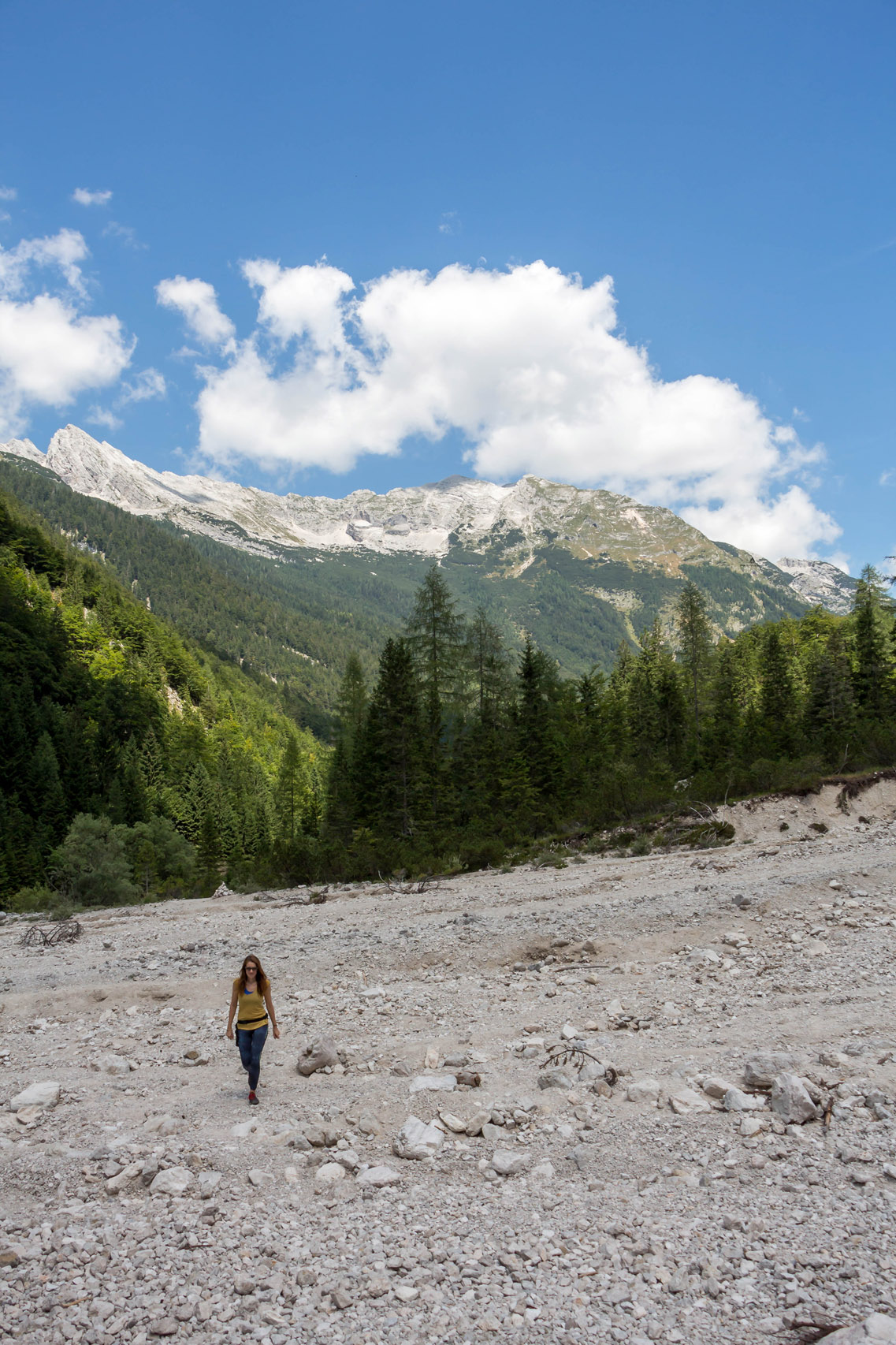
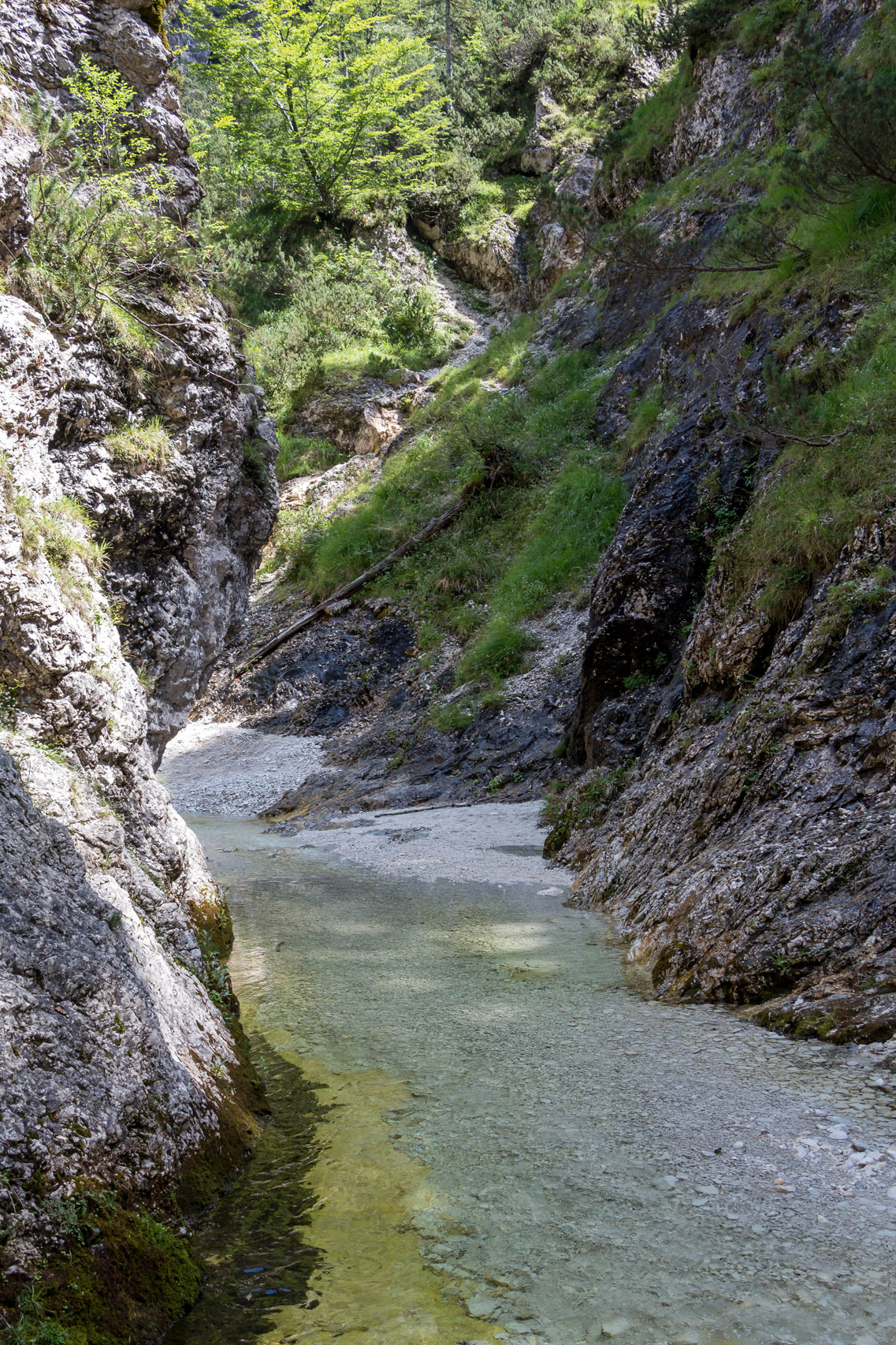
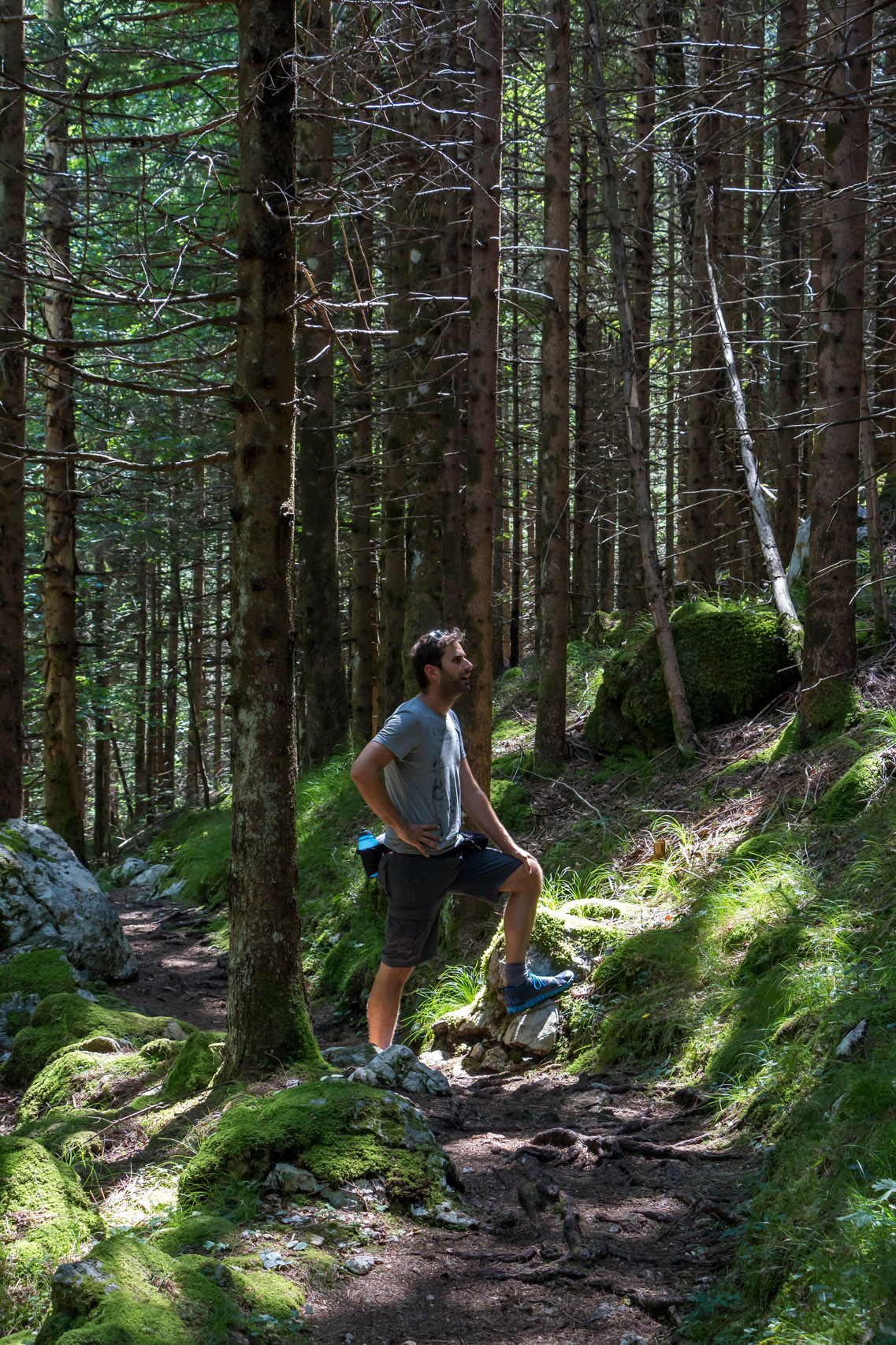
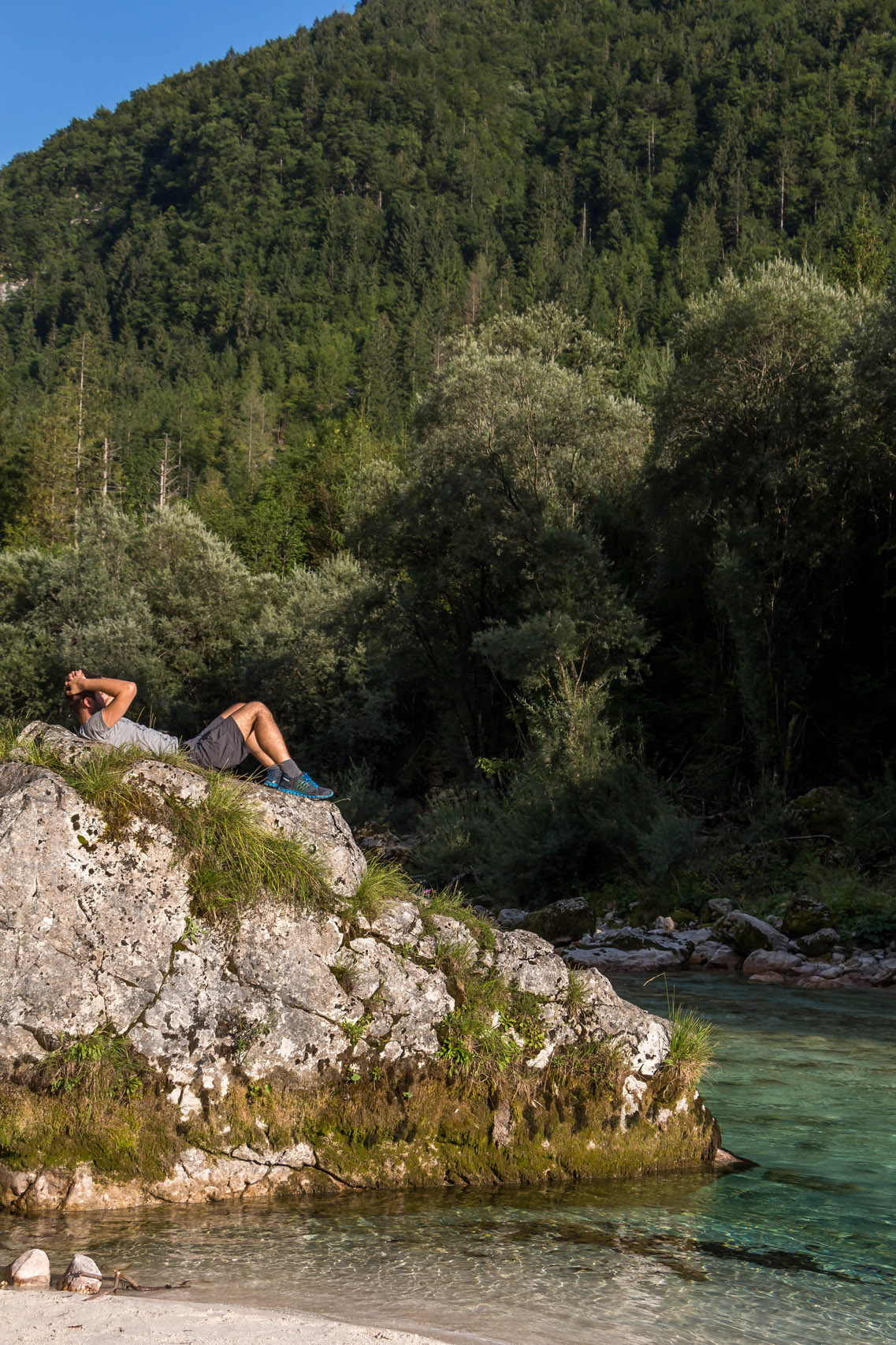
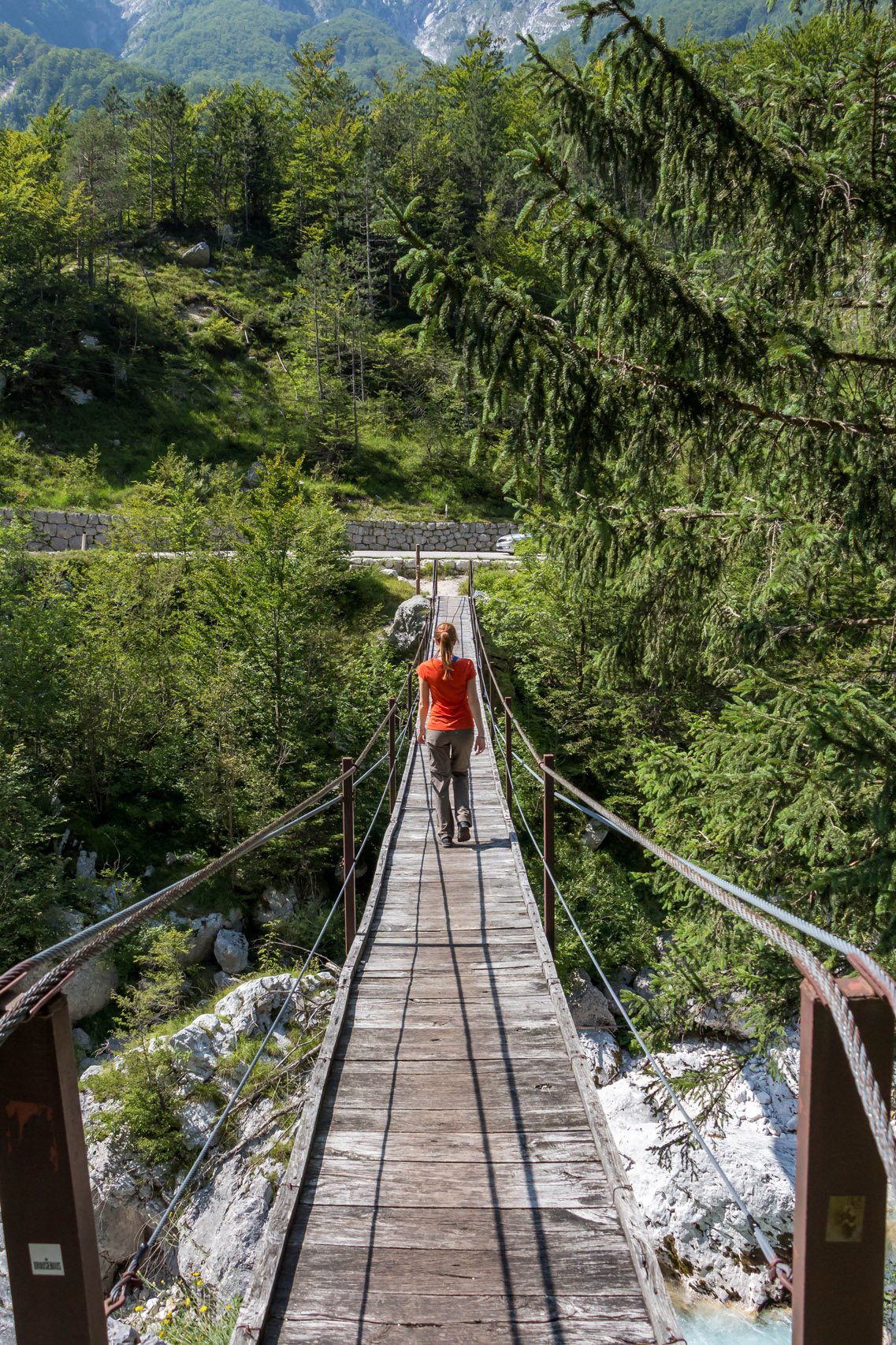
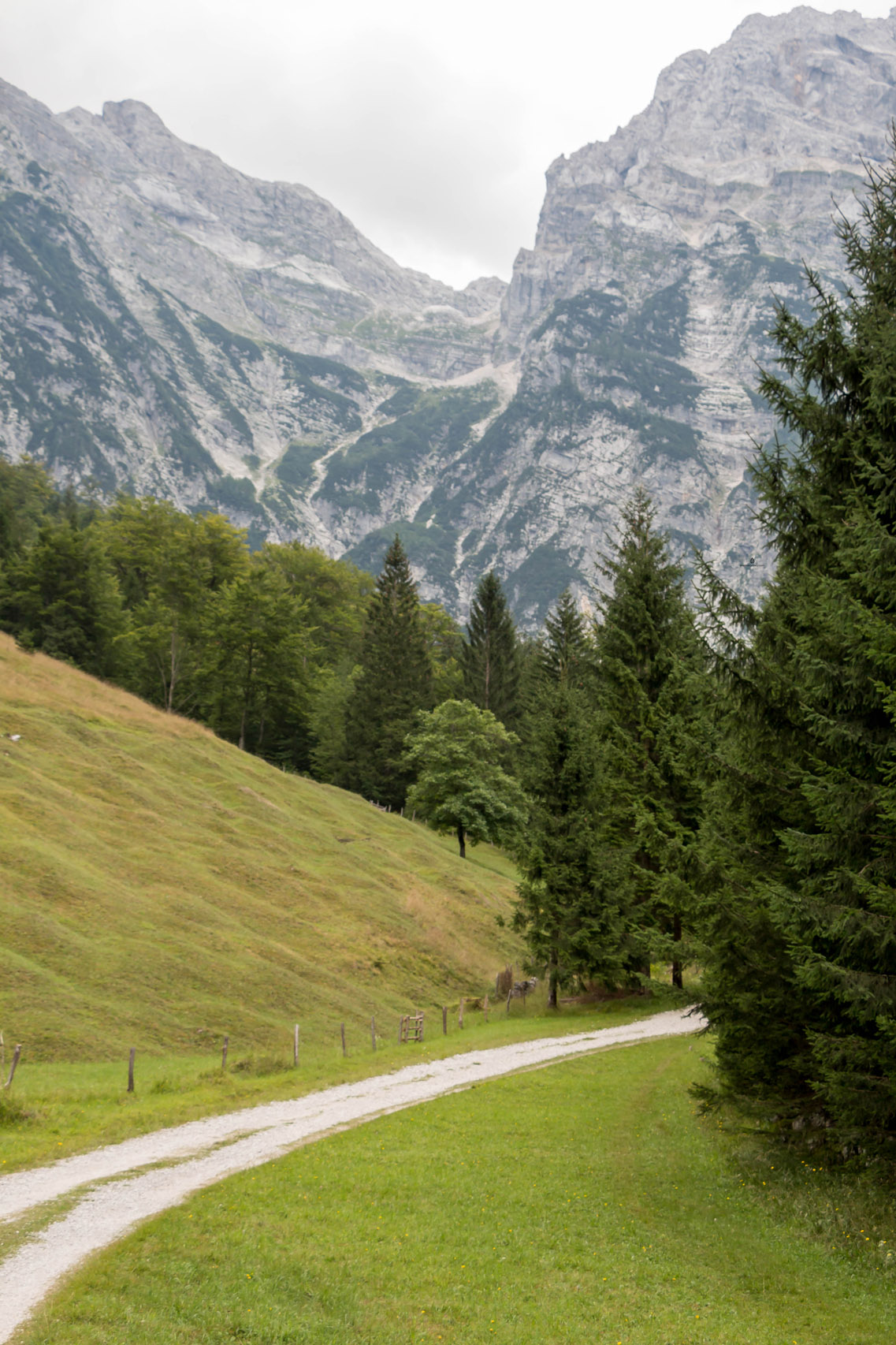
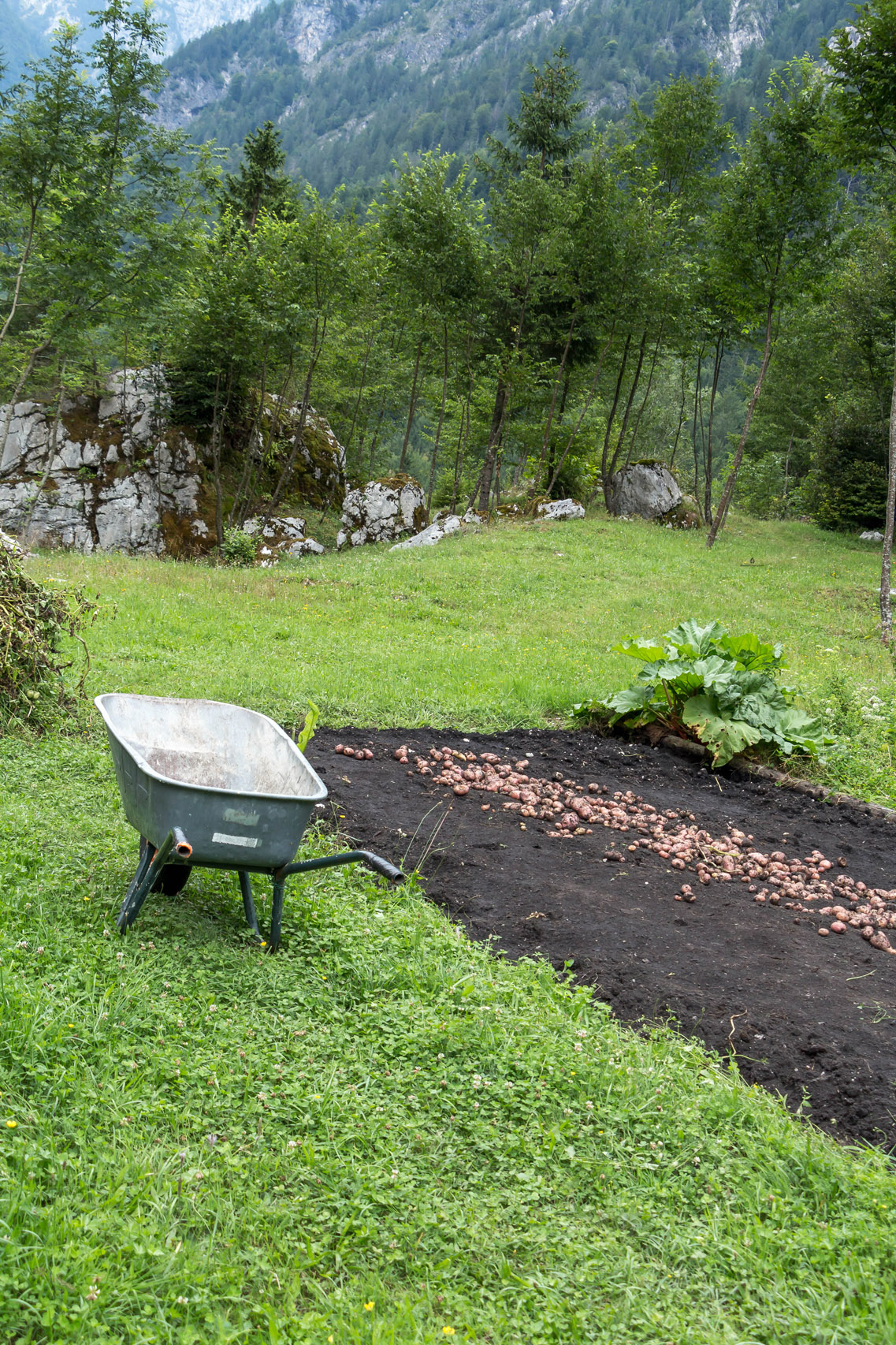
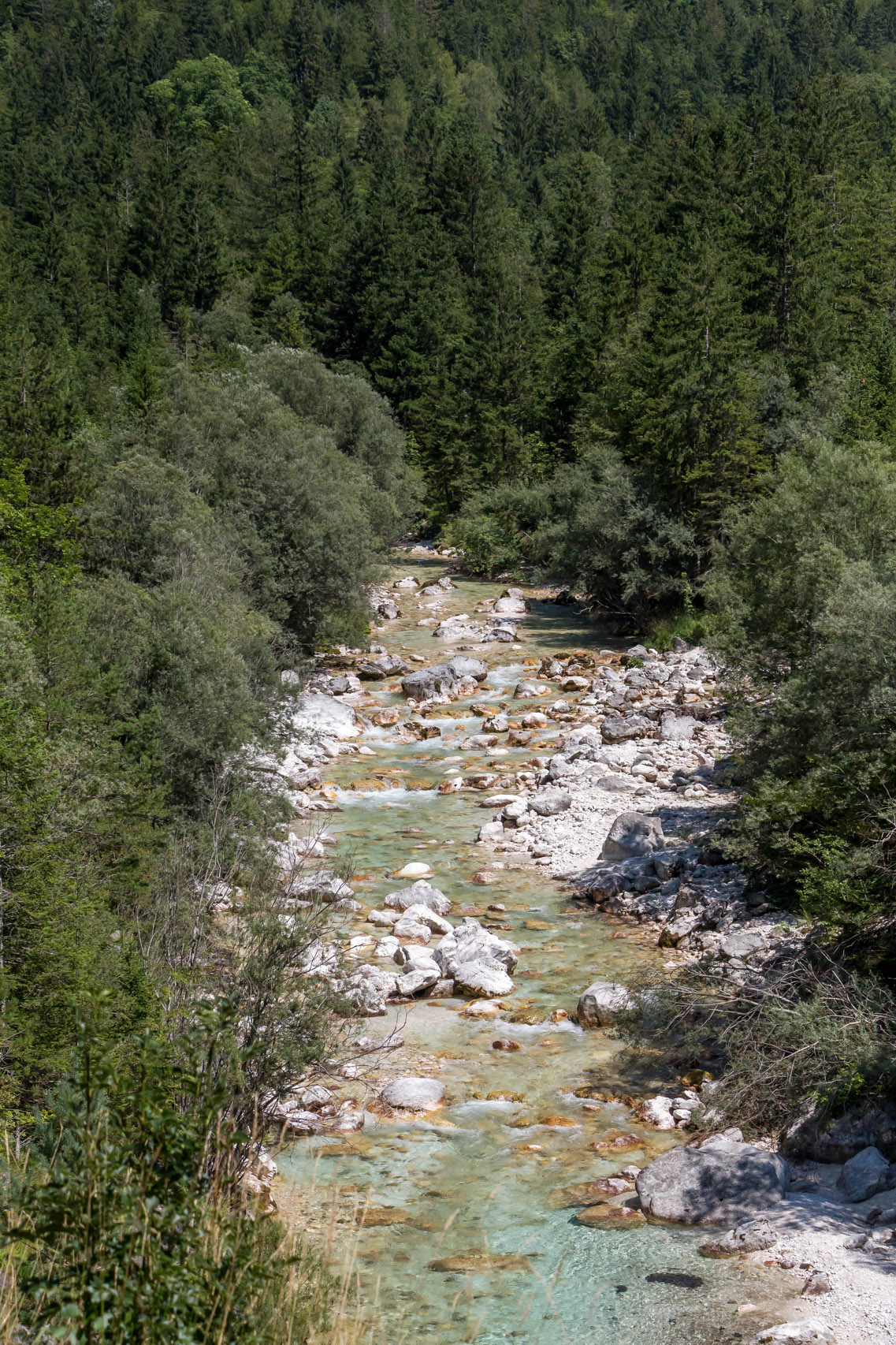
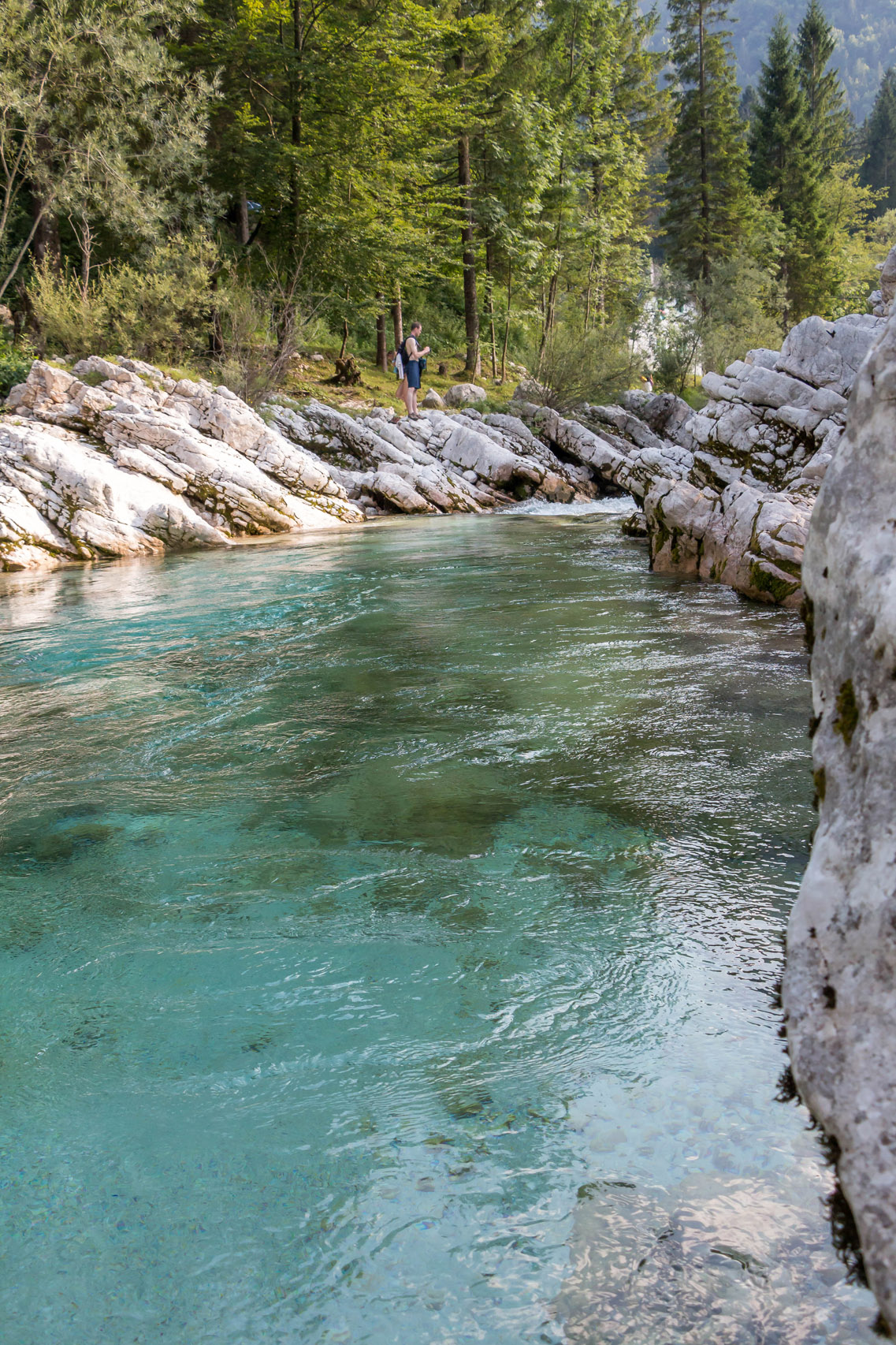
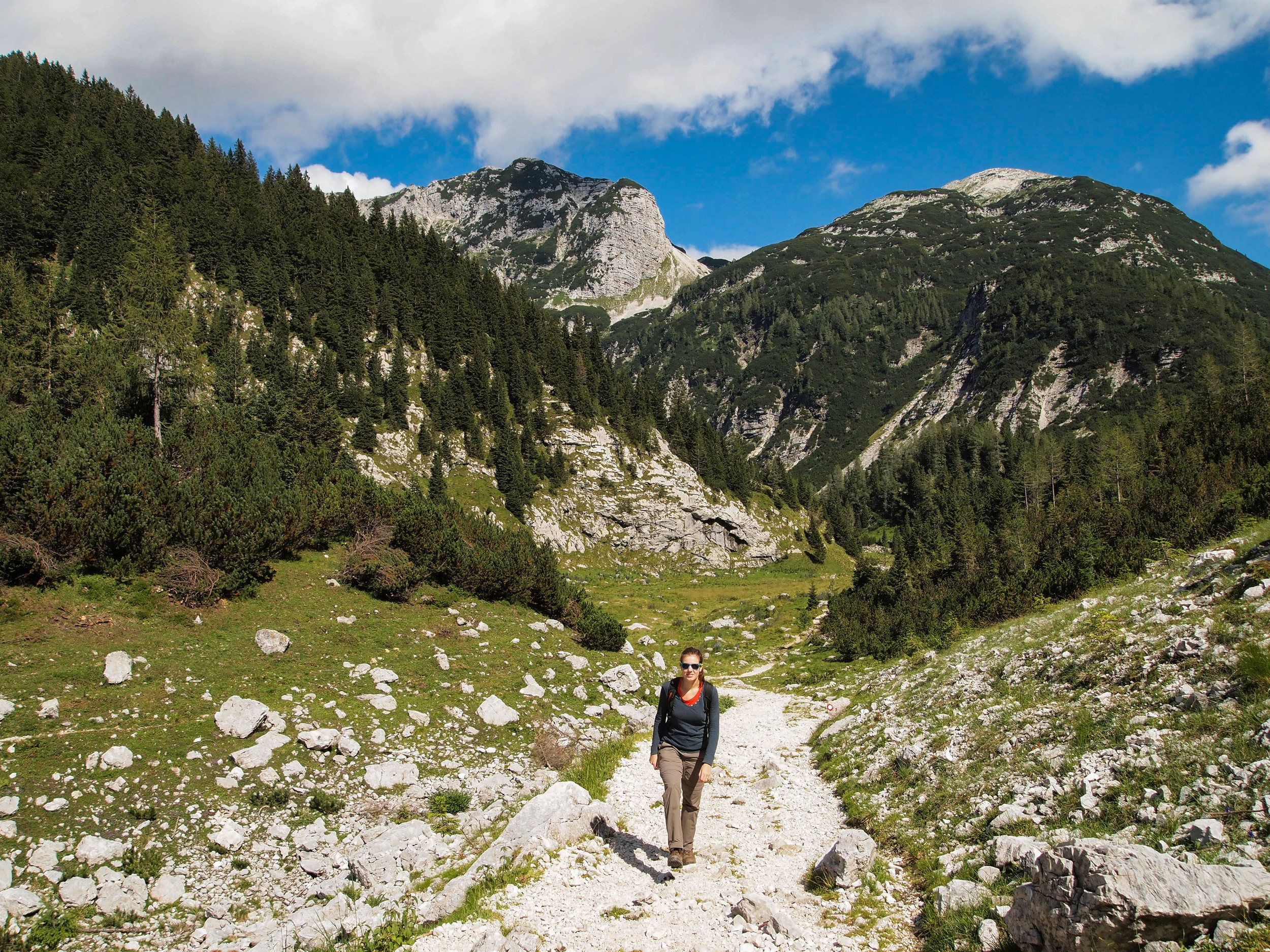
Soča river valley has sort of become our traditional summer escape: when the heat and the crowds on the Istrian coast become a bit too much for us, we tend to pack our alpine shoes and camping gear and head for a few days to the Slovenian town of Bovec, a central point of all sporting activity in the area.
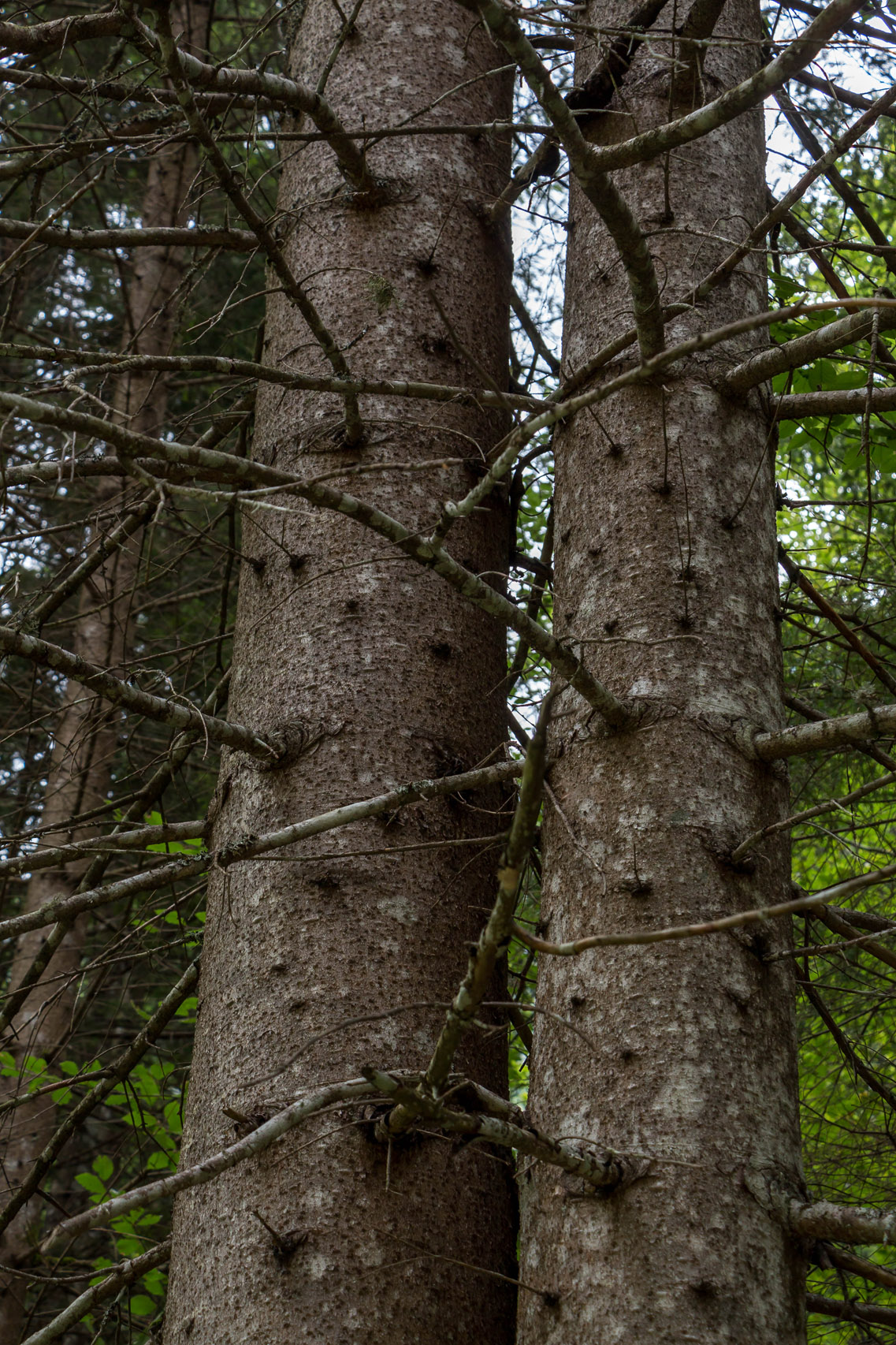
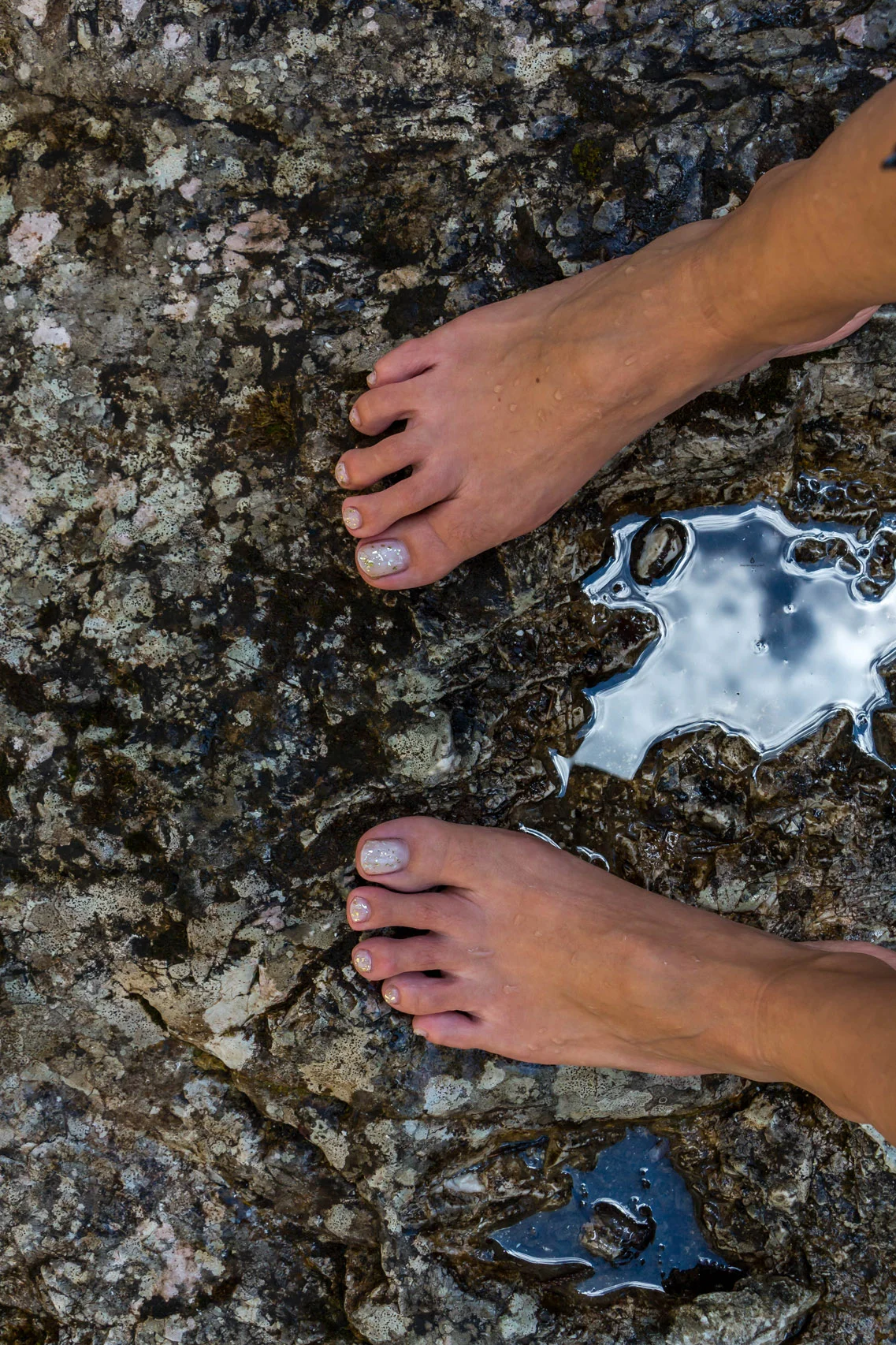
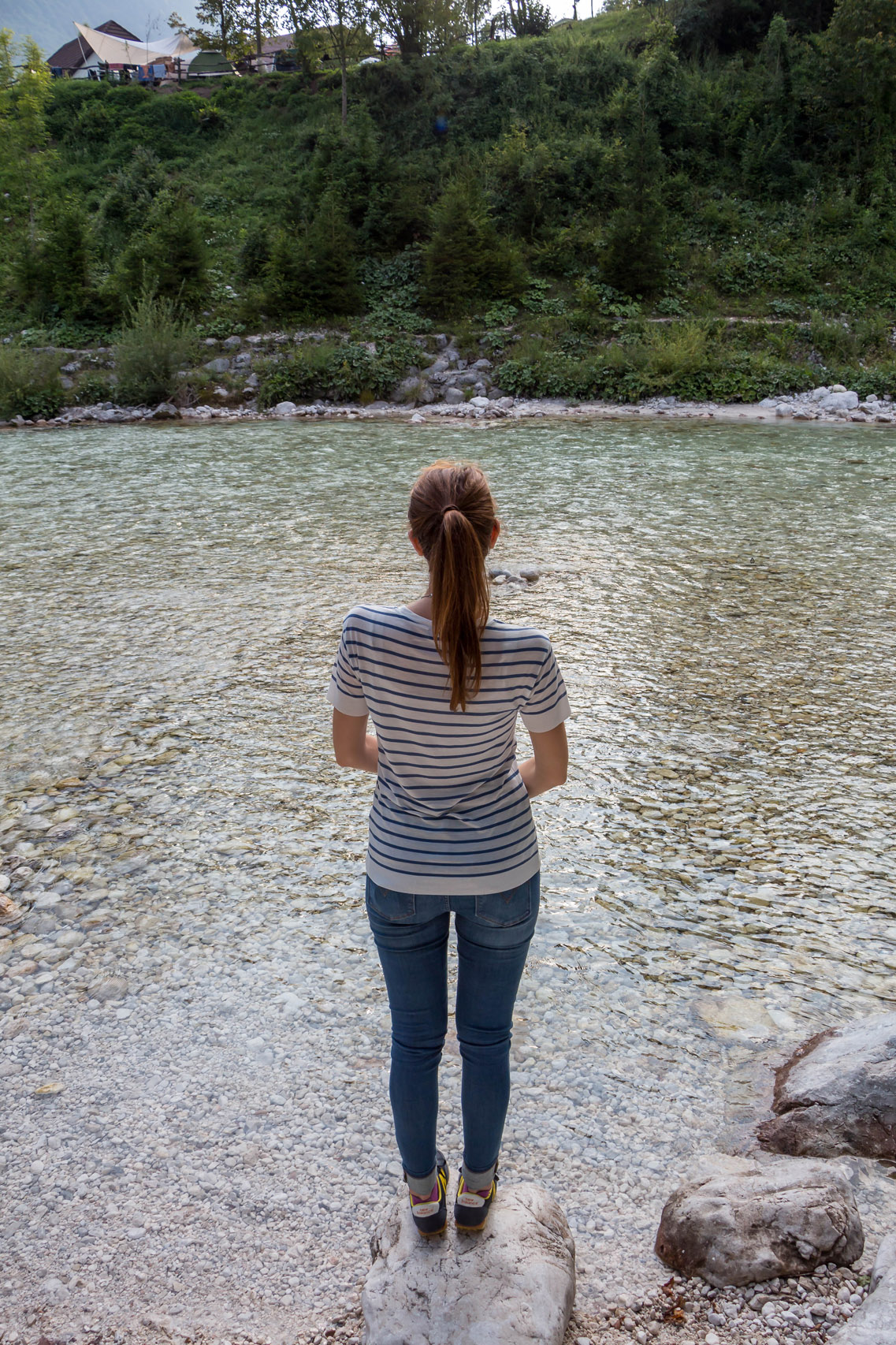
This summer, we decided to stay in a camp site on the Soča river bank, near the little place called Trenta. It is a cool camp, since you get to fall asleep listening to the river, watch the chamois climbing the steep rock on the other side of the valley, or a little dormouse running up and down the tree next to your tent, have a nice cake and a tea in a cozy little camp bar, cool your drinks in the river, dip your feet in the water for just a minute (because that's the longest before your ankles start to hurt), and as in all camps, enjoy the time before dinner, when all of the campers start preparing meals and the delicious scents in a combination with fresh air make you even hungrier.
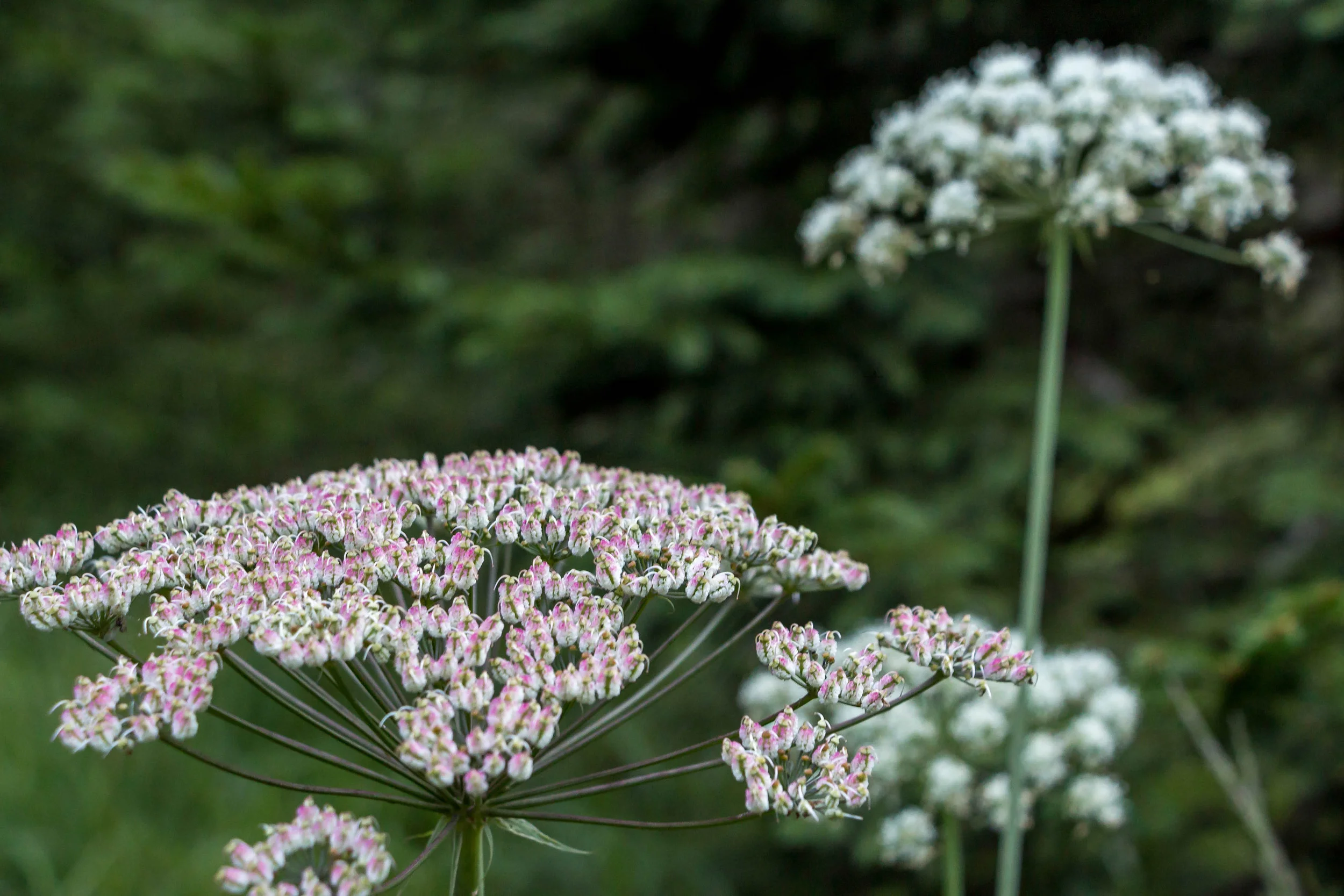
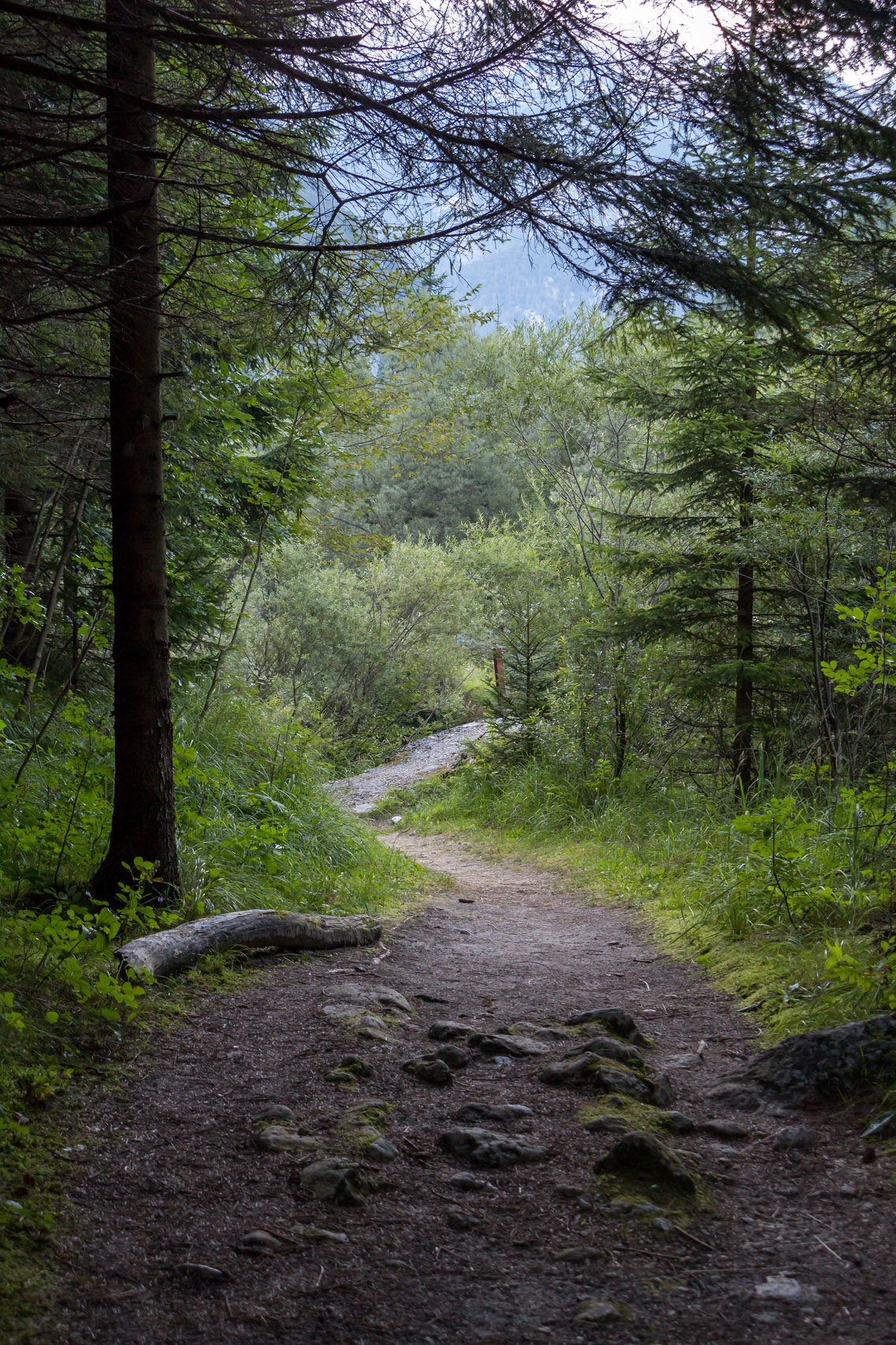
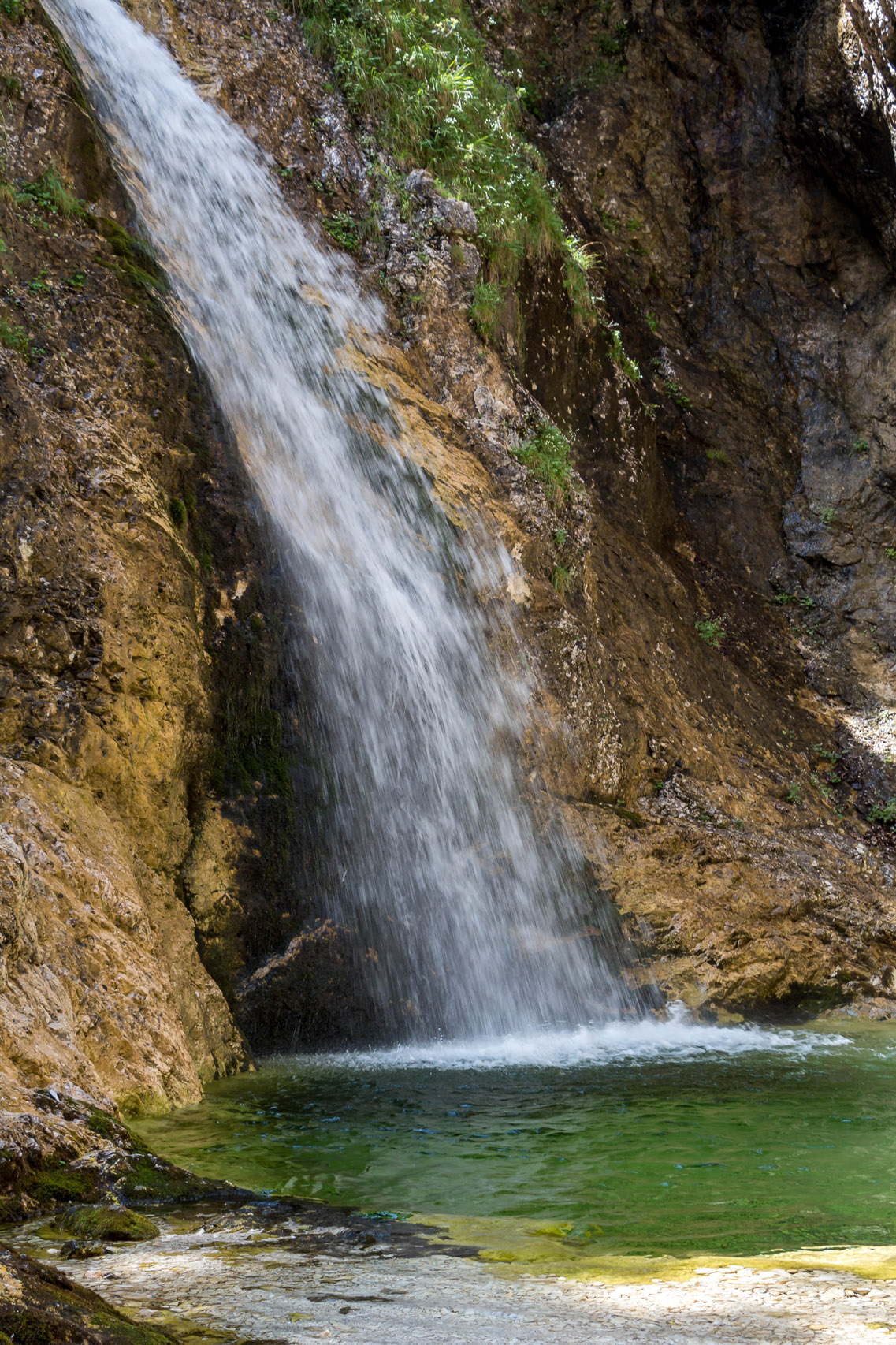
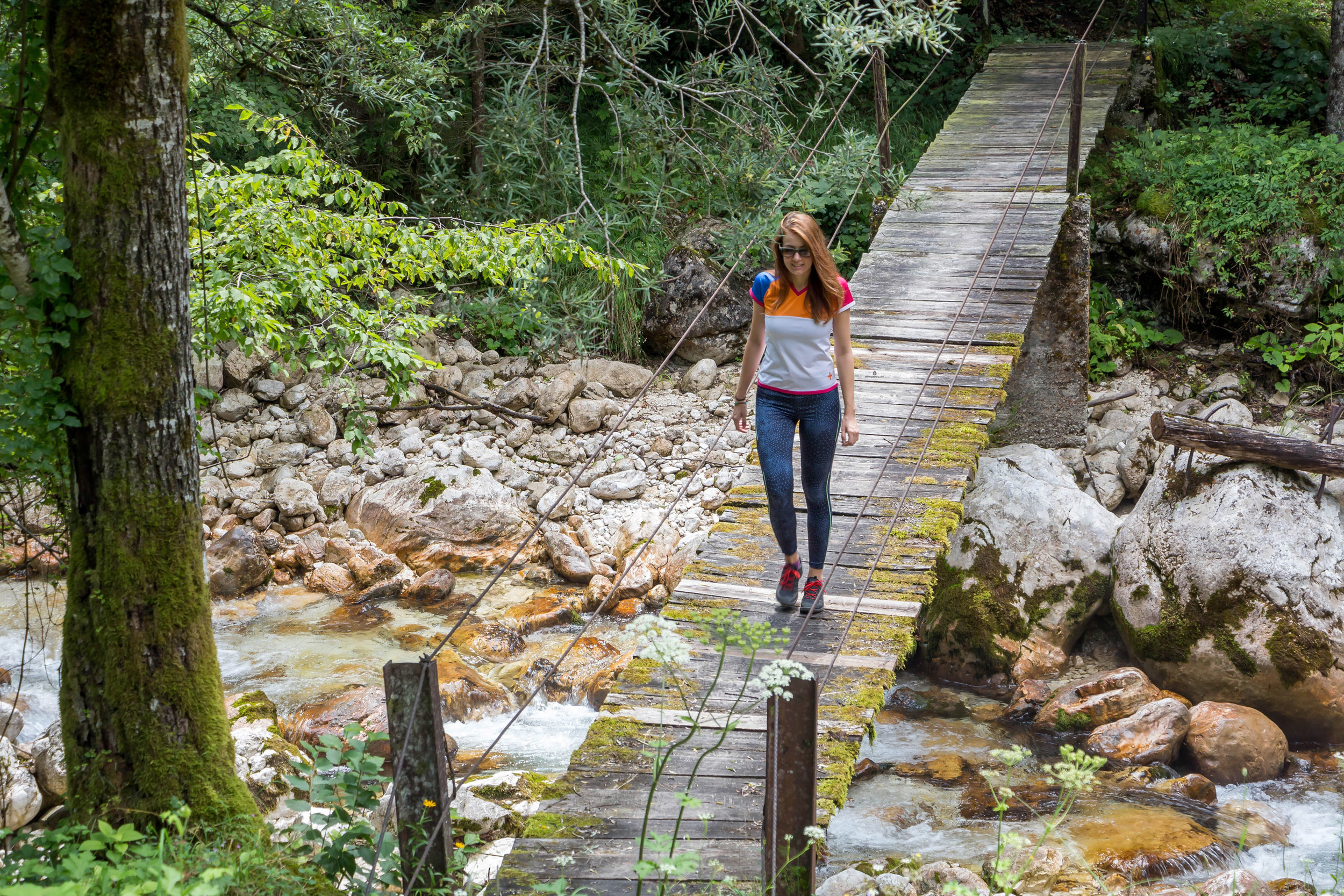
Except for the time we enjoyed in the camp, we also took a few bike rides and hikes in the surroundings, as each and every trail in the Slovenian Alps is a treasure of its own. We met a group of Slovenians who have been coming to Trenta for years, and they were pretty good advisors on hiking trails and hidden natural jewels. Thanks to them, we discovered Zapotok Waterfalls (Zapotoški slapovi in Slovenian), where you can even take a swim under the waterfall (if you're not too cold sensitiv). We hiked a part of the Soča river trail starting from our camp, and it wasn't that easy as it seemed while we were driving around in our car. We made some pictures along the way, I hope you'll enjoy them! What's your favorite escape? ( It doesn't have to be summer nor nature! :) )
For more Slovenian Alps, head here.
Last year's favorites
Dear readers,
as new year has just begun, I wrote down all the things I enjoyed or that inspired me in 2015. I hope you'll find something interesting in it, and I would really like to hear your last year's favorites- I wouldn't mind some fresh inspiration for the year to come! :)
Travel:
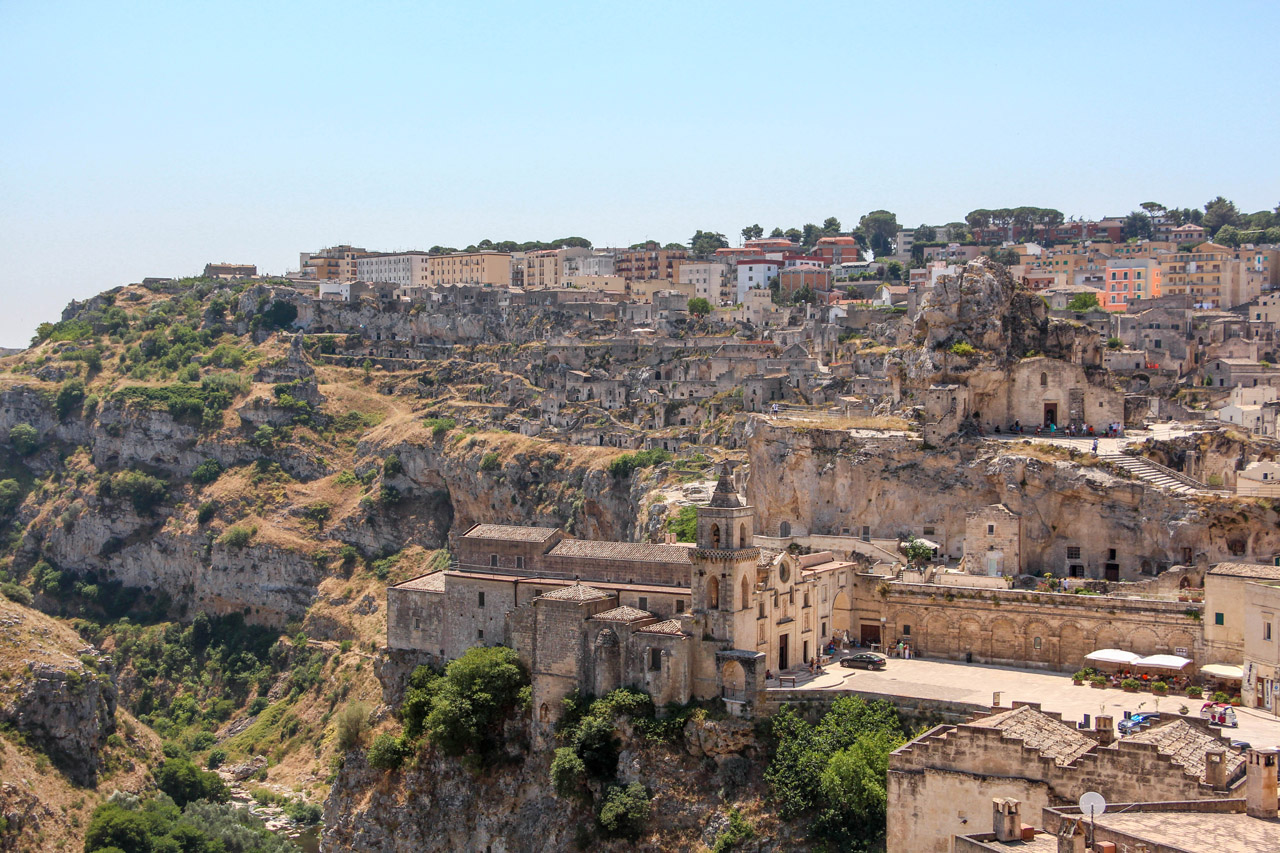
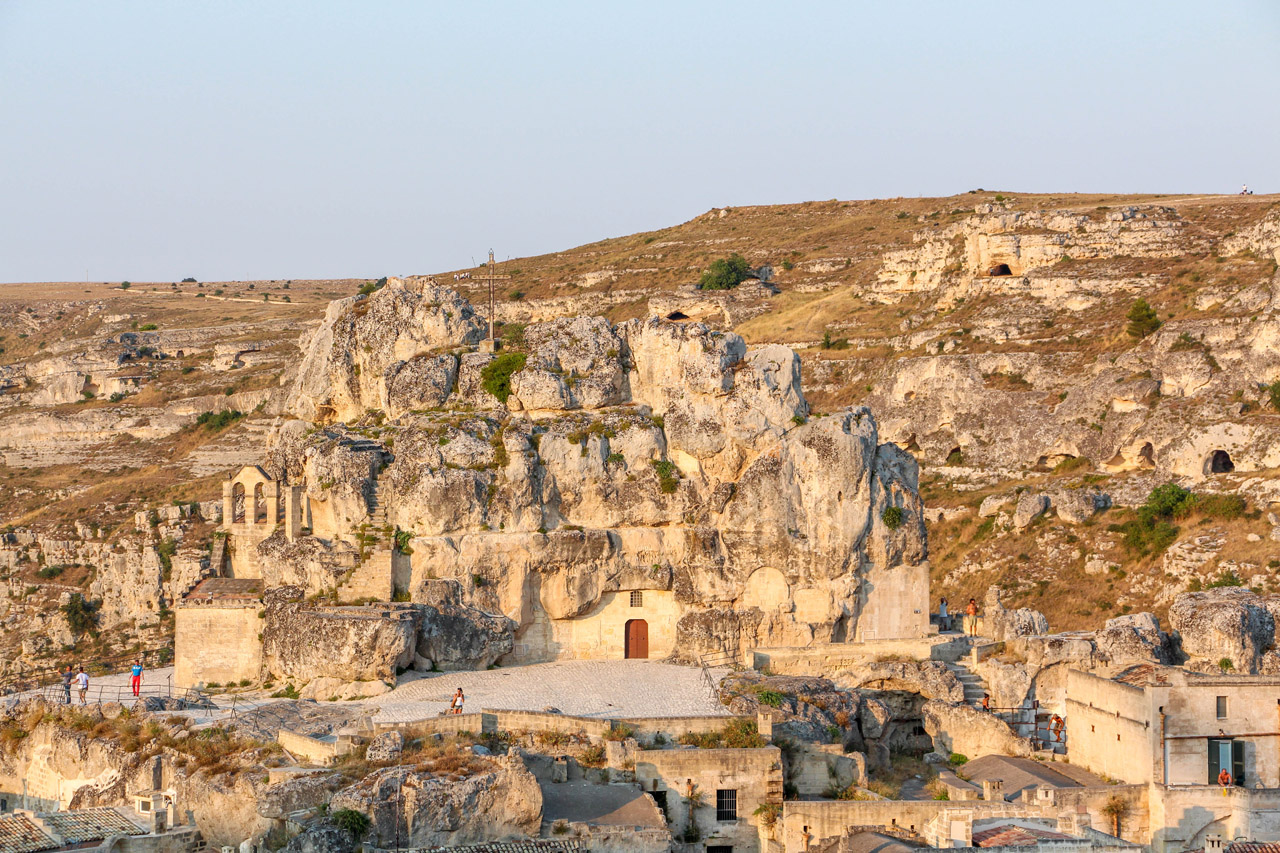
We traveled quite a lot last year, and I was really happy with all of those travels. I haven't wrote about them all yet, but I intend to. My favorite little town this year was by far Matera, enchanting place perched on the hills of Basilicata region in Southern Italy. The houses of the old city are actually caves, which provide for truly original experience and austere beauty. If you're visiting the region of Puglia, with its popular hotspots such as Alberobello, Vieste, Lecce, Polignano a Mare, Ostuni or Otranto, don't skip Matera! It's just over an hour away drive from Bari, and I'm sure it will pay off!
Matera
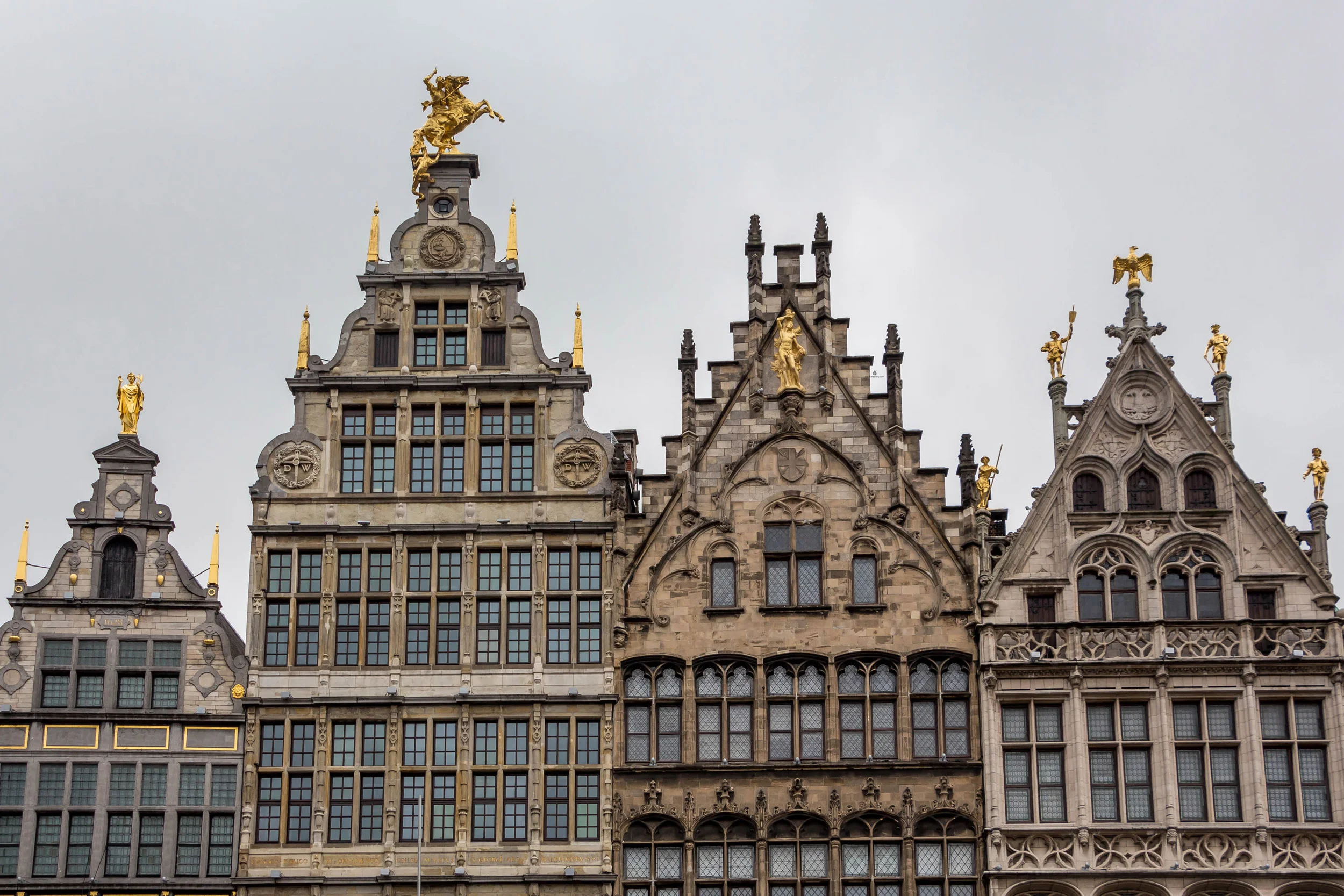
As far as bigger cities are concerned, Lisbon was amazing, but I don't have to tell you that! Lots of light and brightness, coroful tiles, chic houses and edgy streets... Our big surprise last year was Antwerpen in Flanders region in Belgium! We spent three days there and fell in love with the city! It is obviously a wealthy city, very well mantained- from the medieval houses and narrow little streets arround the cathedral, to classy Art Nouveau houses surrounding the center, and a chich new area of the docks (Antwerpen is second biggest European port!). One of the most beautiful parks I've ever been to is also there- The Middleheim park which houses an excellent modern and contemporary sculpture open air museum. There is an amazing system for renting city bikes, and a very well organized net of bycicle paths. The foodie scene is flourishing, and the people are friendly and open minded. I also think of it as a great destintion for expats!
Antwerpen
Music:
This summer, a brilliant street musician visited the Croatian coast; we heard him playing one evening in Pula and we got so thrilled by his sound and his humble yet captivating performance, that we kept coming every day until he left the city. We bought both of his CDs, and they have been playing in our car most of the summer, after which they moved to our home. :) Oh, and his name is Jimmy Jimmy One Man Band, and you can listen to his music on Youtube.
Website:
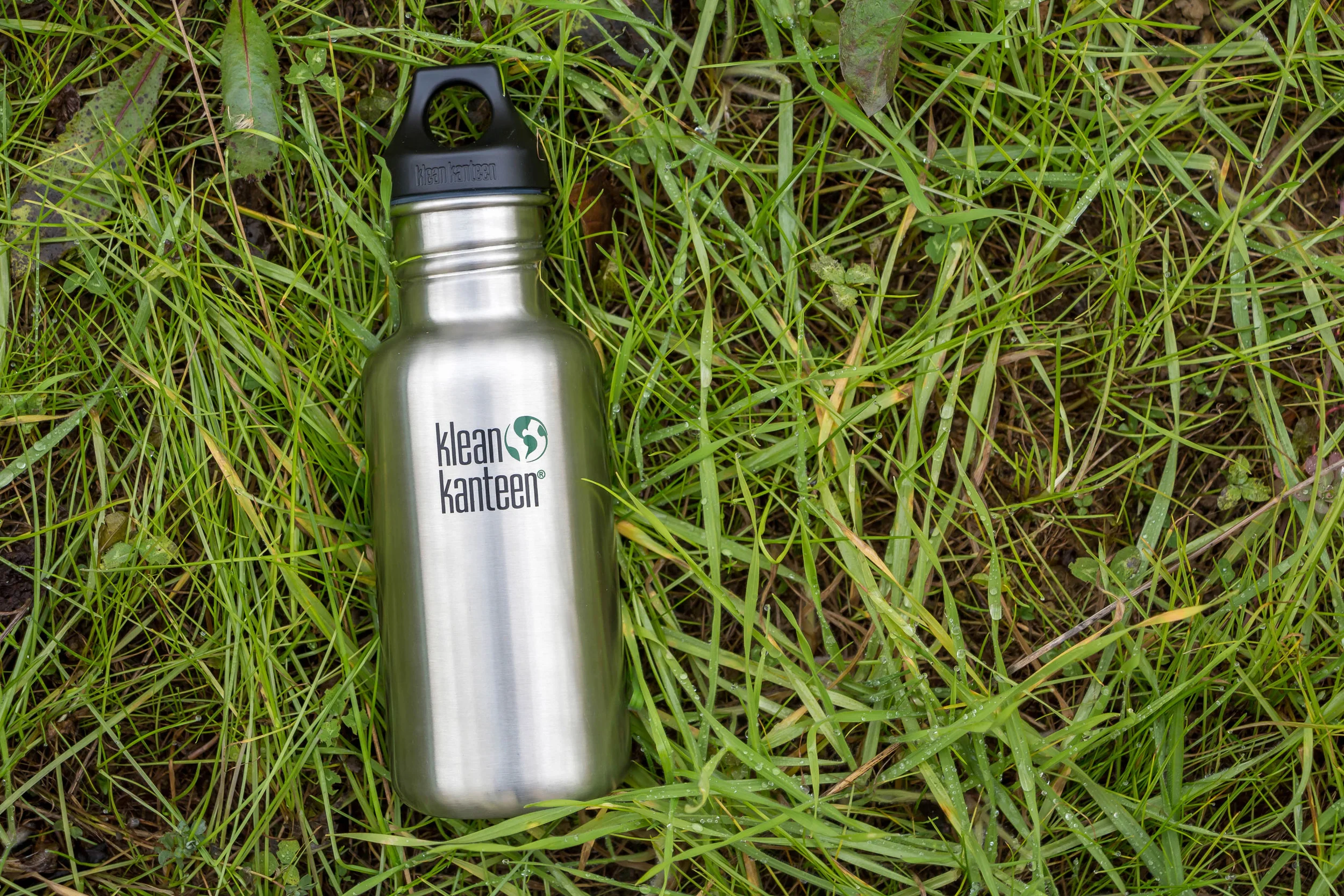
I follow along a lot of travel blogs and websites, but the one that influenced me most last year wasn't about travel at all. It is called Trash is for Tossers, and it's about a movement called Zero waste. I first heard about it bumping into this blog by chance, it was so interesting that I read all of it, and it made me more aware of the influence we have on our enviroment, and that there are ways to change our negative impact! I'm far from living Zero waste, but I try to adopt little changes in my everyday life: I refuse to use plastic water bottles, instead I bought a Klean Kanteen bottle and it's a great thing; I now shop for groceries with my reusable bags, and I turned to more natural cosmetics with less plastic packaging.
The Zero waste movement is not just about sustainable living, it's also about simple living, about owning less and fulfilling your life with experiences, not things.
Lauren, the person who stands behind the TIFT blog, found an interesting and light way to present her lifestyle, more encouraging then judgemental, which works fine for me. :)
Documentary:
It doesn't come as a surprise that I love to watch travel documentaries. Last year, I discovered a BBC series Italy Unpacked presented by Italian chef Giorgio Locatelli and British art historian Andrew Graham-Dixon. The series is very interesting, the two of them are both fun and professional, enthusiastic and real connossieurs in their fields, that after watching the episode on the Italian south, we went there in July, following the steps of Giorgio and Andrew.
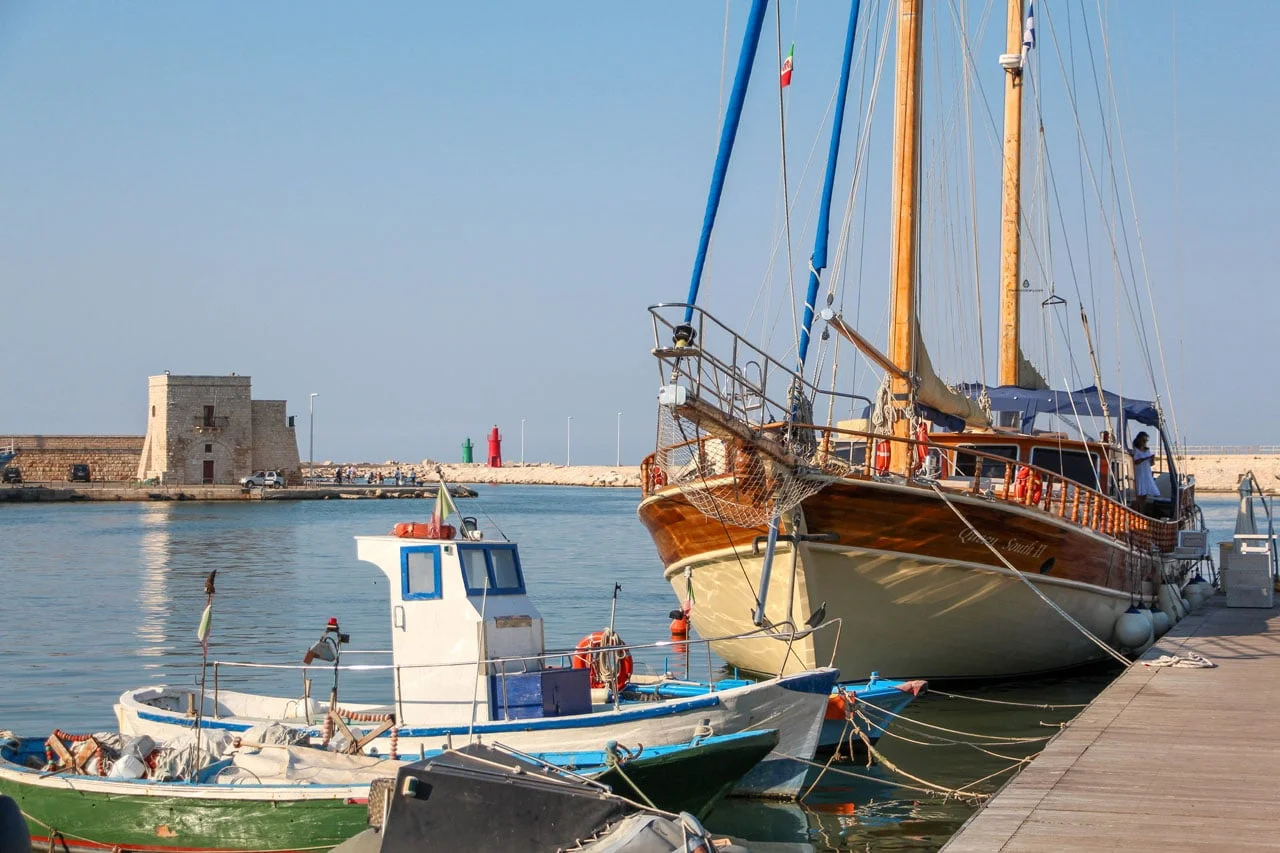
The seaside town of Trani in Puglia
Movie:
We went to the movies a lot last year, especially to our favorite, old cinema in the center of Zagreb, called Kino Europa, which specialized in European movies, documentaries, art films, and all that beatiful cinematographic production outside Hollywood. They have the best popcorn too, so it's a win-win situation! :)
The movie that moved me most was Icelandic Hrutar (Rams) by Grimur Hakonarson, which won Un Certain Regard last year on the Cannes Film Festival. The story evolves around two brothers who live next door, but haven't spoken in years. The setting for the movie is austere Icelandic valley, where the brothers take care of their sheep. The life of the brothers is simple, harsh, and real, and so are the shots of landscape that surrounds them. Great, great movie!
Fashion/clothes:
I discovered the COS store last year in Berlin, wandering the famous Kudamm shopping street. I bought two t-shirts and a necklace, and they turned out to be the most used items in my wardrobe. From then on, I always look for a COS store on my travels (there aren't any in Croatia), and everything I ever bought there was so wearable, because of its simple yet edgy design and comfortable fabrics, and their jewellery is irresistible!
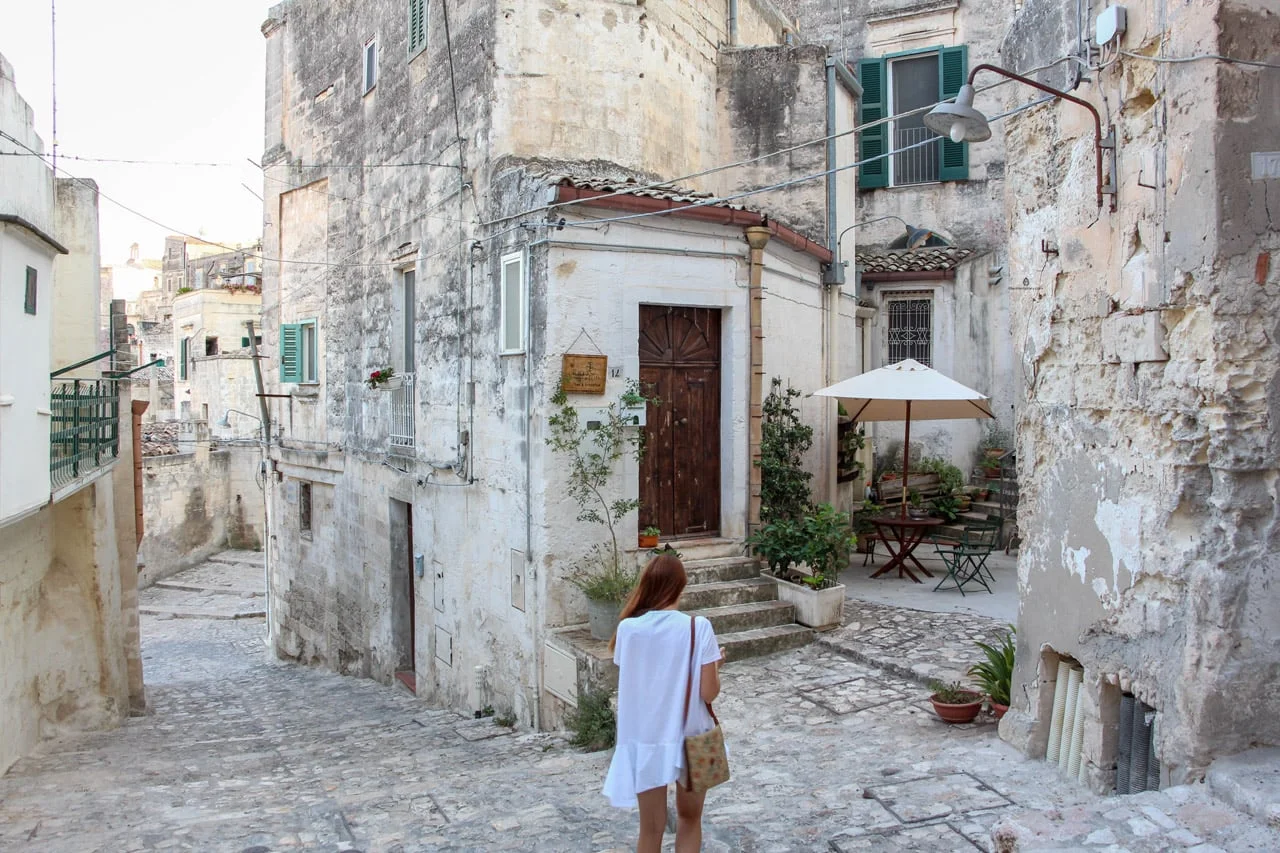
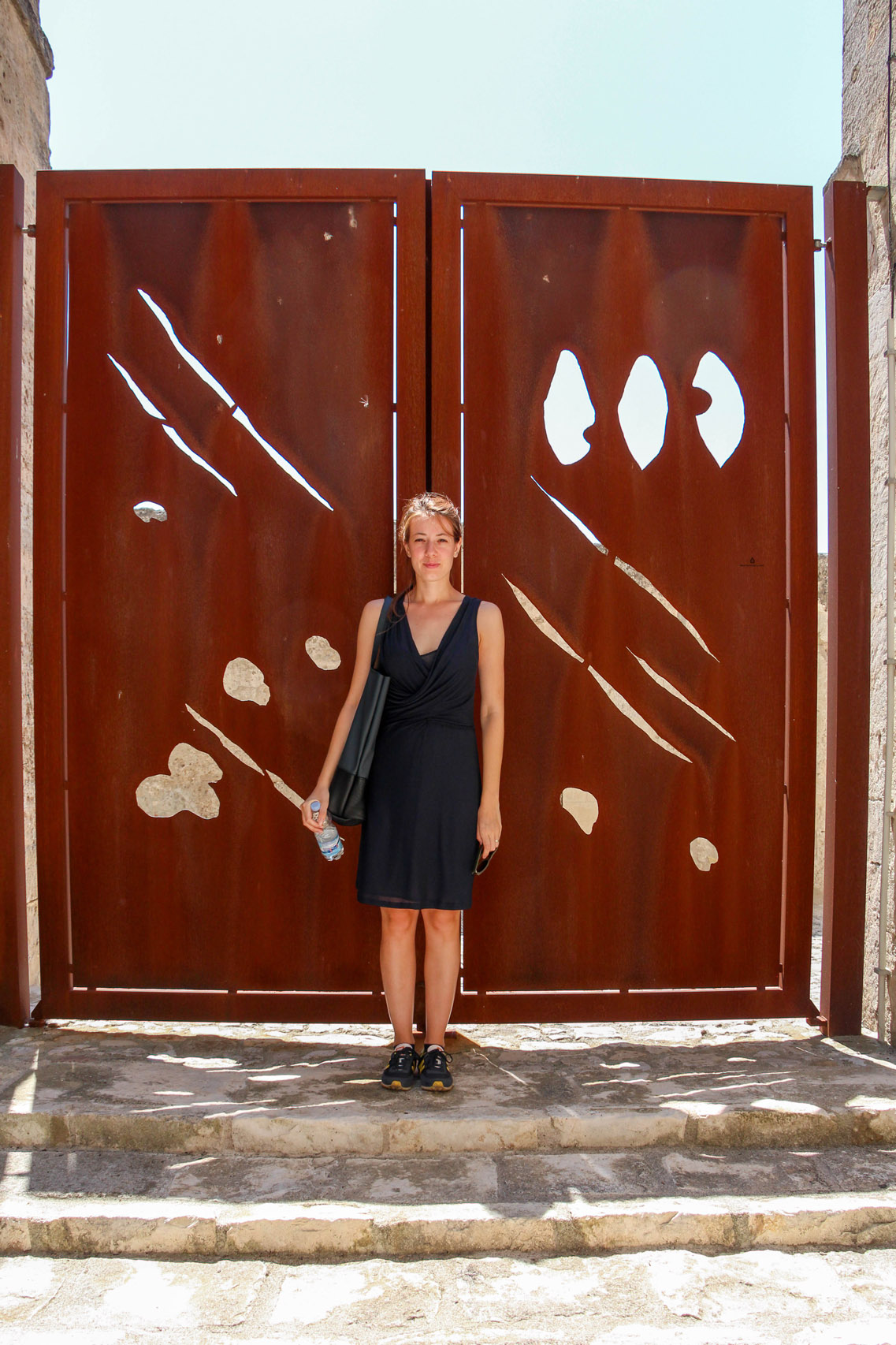
Wandering the streets of Matera in my Cos shirt-dress :)
Magazine:
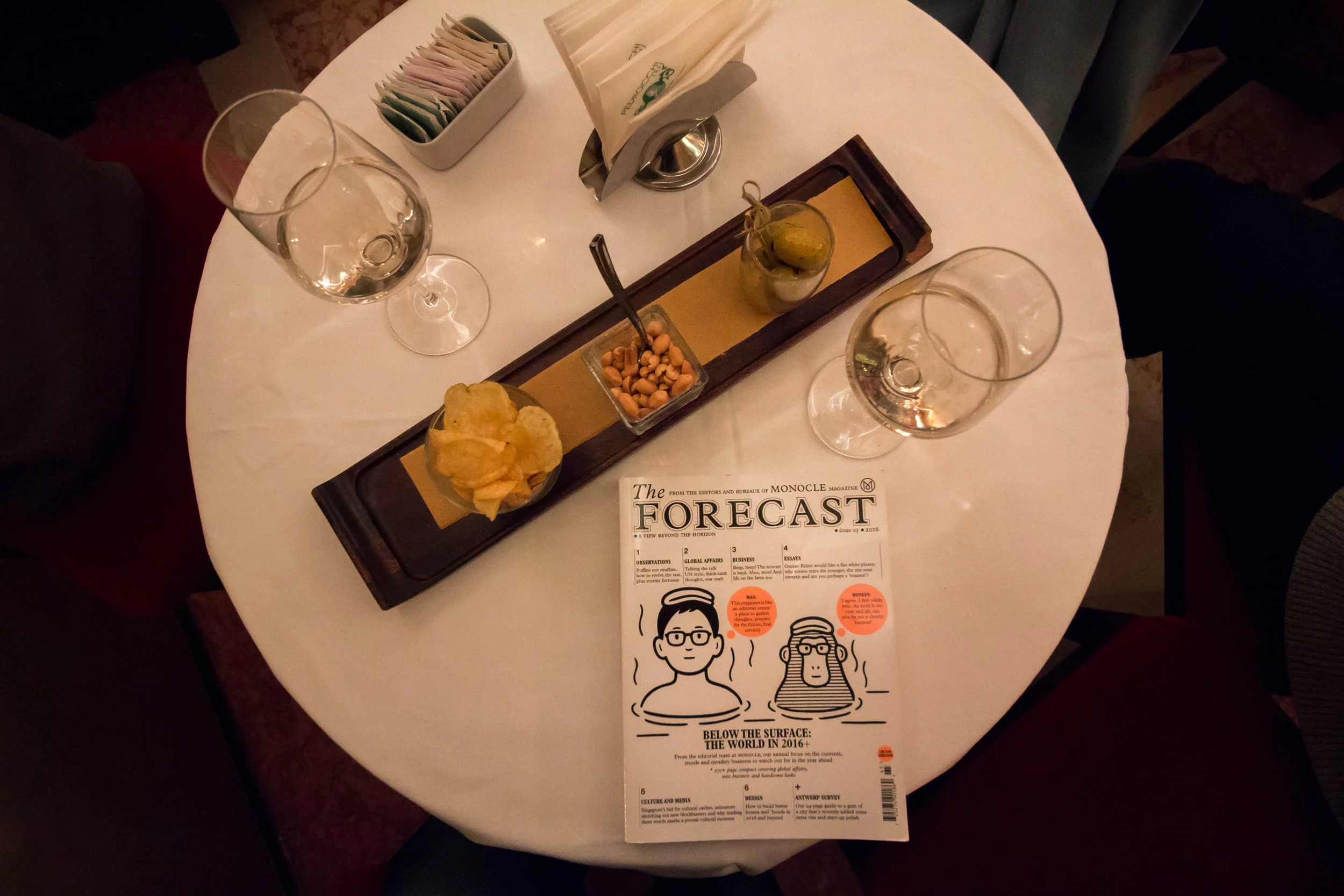
My husband discovered the Monocle magazine while waiting for me to try out all the cool items I found in the COS store. Since then, we are Monocle's devoted readers: it's an inspiring magazine that covers all the interesting and fresh things happening in the field of culture, lifestyle, business, politics, urbanism and fashion. The stories about young enterpreneurs are full of ideas and encouragement!
Monocle magazine on a table of another new favorite of ours- Caffe Pedrocchi in Padova
Book:
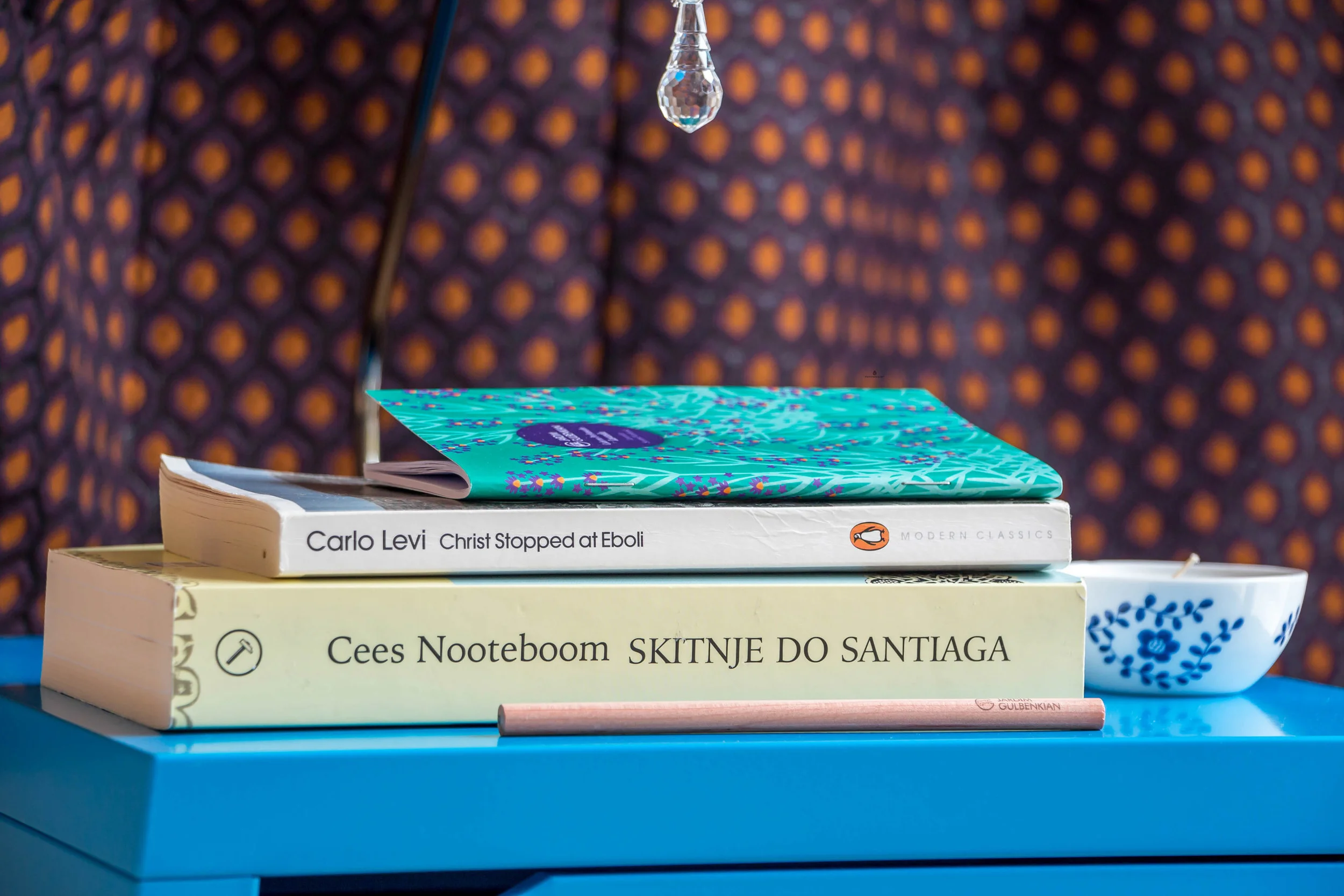
There are two books that influenced me most last year. One of them is Carlo Levi's: Christ stopped at Eboli (Cristo si e fermato a Eboli), and the other one is Cees Noteboom's: Roads to Santiago.
I ordered Levi's book after visiting Matera this summer, as he was the person who presented the problem of impoverished Italian south to the rest of Italy in the 1950's, which ended in government program of social housing for the hunger and malaria struck inhabitants of Matera. His writing style is simple and sharp, just like the desolate landscape and isolated people of Italian south in the first half of the 20th century.
I am currently reading Noteboom's Roads to Santiago, and I already see that I will want to visit Spain again soon, and that this is going to be one of my favorite travel reads, to which I will be returning over and over again. The writer reflects his travels all around Spain along with the history, art and a spanish way of life.
Jewelry:
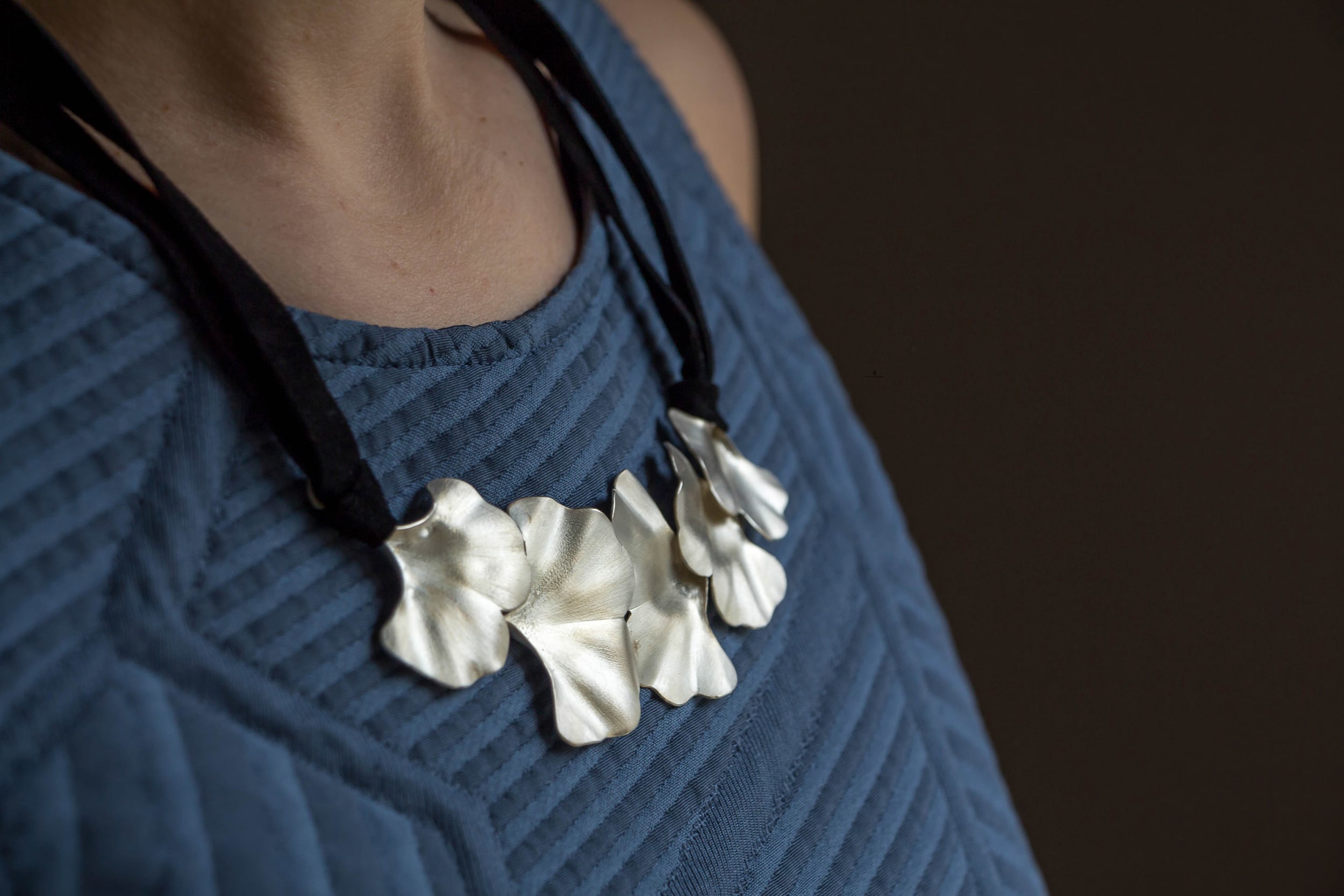
There is a little jewelery shop (and workshop) called Lapidarium in Zagreb, specialized in artsy pieces, and I would like to wear everything they make! They made the beautiful earrings in form of gingko leaves for my wedding, later I got a gingko ring as a present, and this Christmas, a gingko necklace. Here is a link to their amazing new catalogue, and also a picture of the necklace!
Make-up:
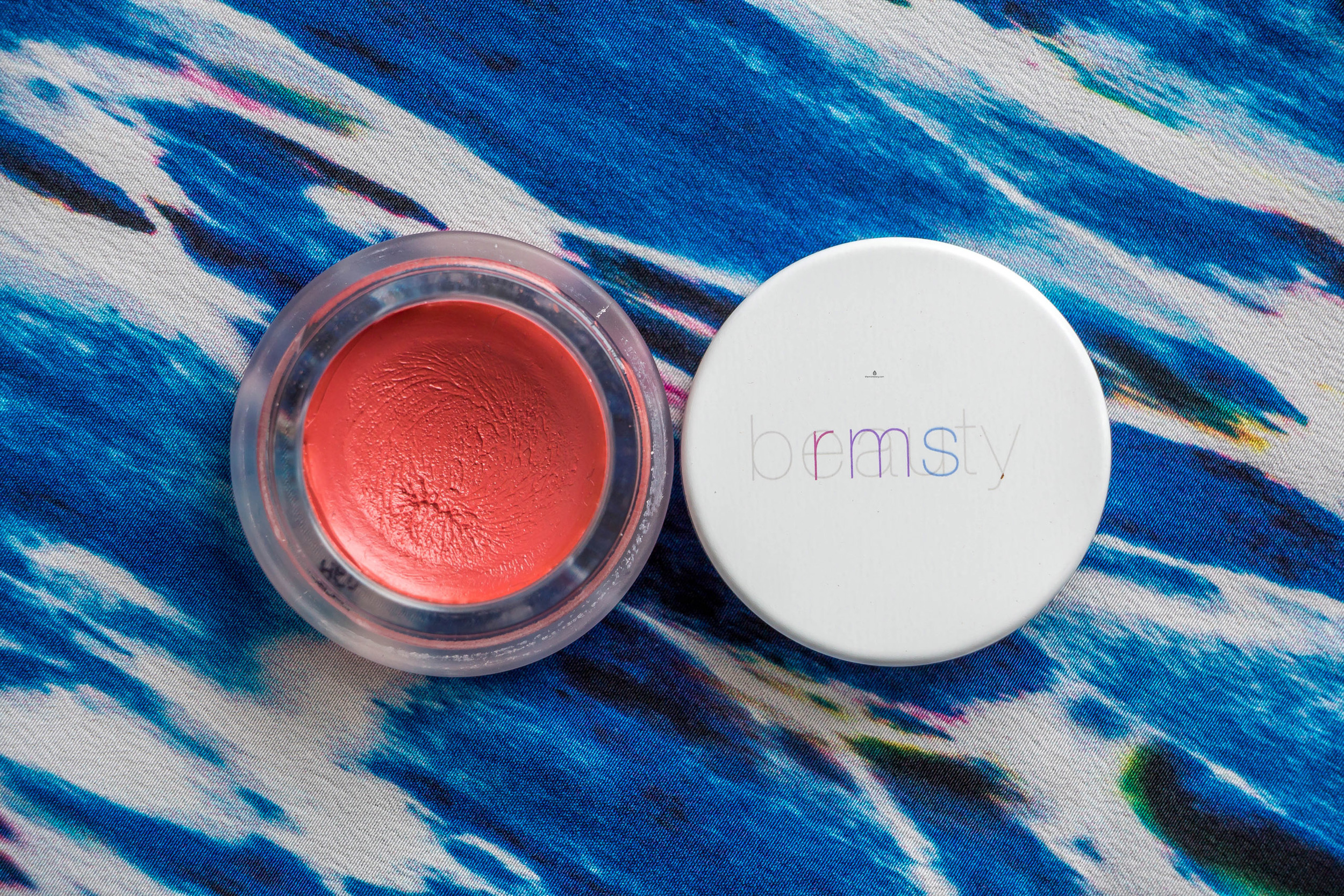
I am not an expert when it comes to make-up, but I love light, breezy and natural look, and I got all of it packed in RMS Beauty Lip2Cheek, which can be used both as blush and lipstick, made out of organic ingredients and packaged plastic-free! My parents brought it as a special delivery from Berlin, because it's not an easy find in these parts of Europe. I really haven't been this happy with a make-up product in a while!
Bags:
Wondering the streets of Padova last year, I discovered a little shop that makes and sells cool handmade bags. I'm always reluctant to entering those small shops as I fear the salesman focusing too much on me (and that it will make me uncomfortable leave without buying anything), BUT the two ladies which make the bags are easy-going and helpful at the same time, so I left the shop, feeling comfortable, with a new bag in my hands :), which I wear all the time ever since. The shop is called JDK Bags!
JDK bag at sunset!
Sports:
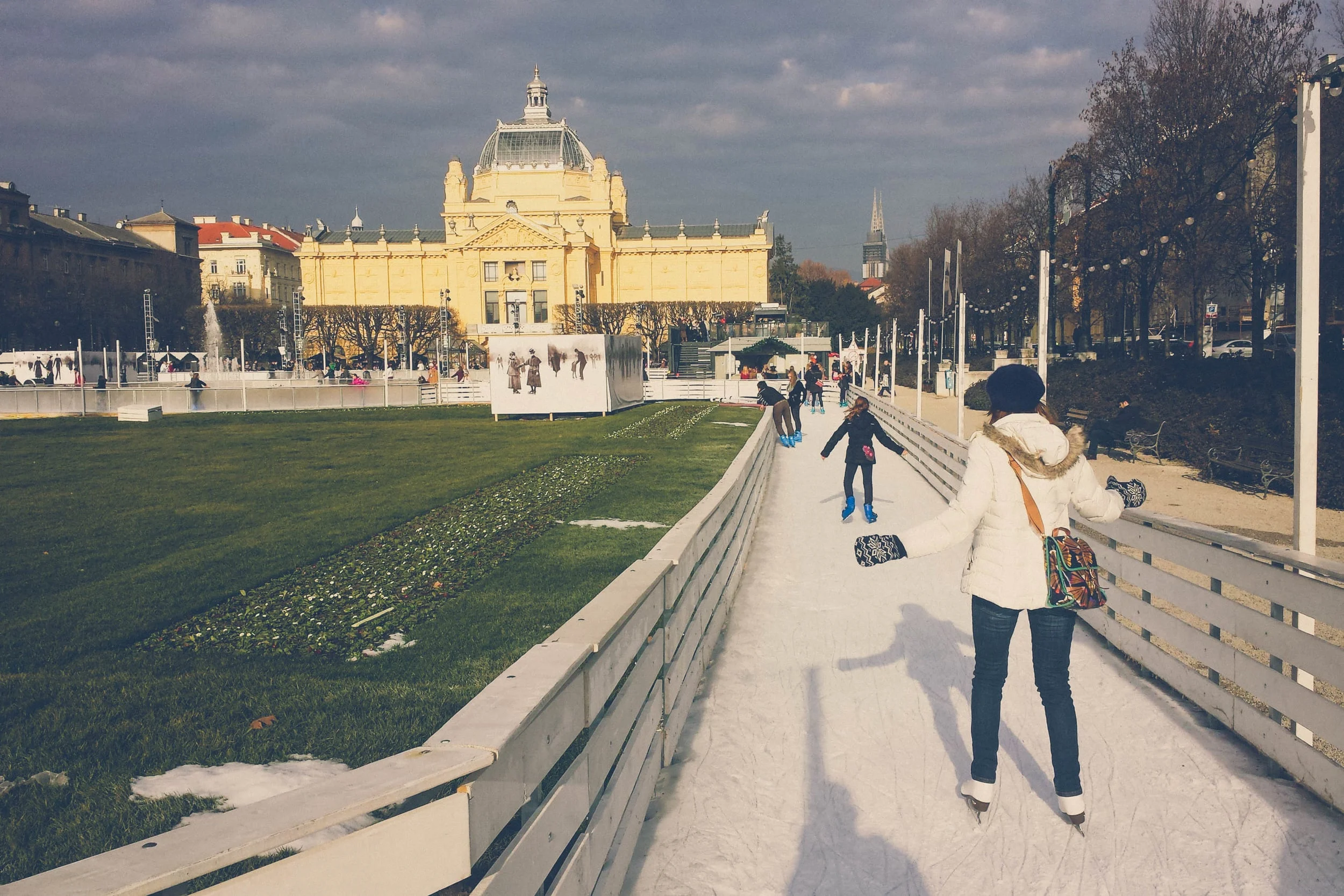
This winter we rediscovered ice skating! We haven't been ice skating since we were kids (or students, but that was also a long time ago :D), and this year, after watching the Golden Spin of Zagreb (Zlatna pirueta in Croatian) competition, we decided that we want to try it out again! We bought the skates, and already went a couple of times to the open air skating rink on the King Tomislav Square in Zagreb. It was so much fun, that we are currently carrying our skates in the car all the time- in case we bump into a skating rink along the way! :)
Recipe:
I am constantly on the look for new recipes, and here is a list of my favorite ones in 2015:
Cake:
Jamie Olivers Pannetone cake (my favorite cake at this moment)
http://www.jamieoliver.com/recipes/chocolate-recipes/bonkers-bread-butter-panettone-pudding-tart/
Soup:
Tuscan Bean Soup by The Wanderlust Kitchen:
http://thewanderlustkitchen.com/easy-tuscan-bean-soup/
I've been making this one a lot since I've discovered it.
Main:
Pizza with figs, caramelized oninons and Blue cheese by Alexandra's Kitchen:
http://www.alexandracooks.com/2012/05/31/tipo-00-flour-worth-paying-for-shipping/
The best pizza I ever made, without doubts (Fig jam is being used in the recipe, I used fresh figs in the summer, and jam in the winter, and both turned out great!).
If you have something interesting to share, please do, I would love to hear from you!
PUGLIA AND BASILICATA ROAD TRIP: Matera
As much as excited I was to tell the story about Matera on my blog, I kept postponing it for too long now. It's because I wanted to tell it right, because Matera deserves it. It came a long way from the oldest troglodyte settlement in Mediterranean region inhabitated already in Palaeolithic, prosperous capital of the Basilicata region in 17th century, la vergogna nazionale (the shame of the country) in the 1950's, when the poverty and malaria struck inhabitants were relocated to new government housing, to vivid, chic, unique and simply beautiful town which it is today, and is going to be Italian host for European capital of culture in 2019.
I've first heard about Matera in the BBC series Italy unpacked, presented by Italian chef Giorgio Locatelli and British art historian Andrew Graham-Dixon. It's one of my favourite documentaries, as both of them are such enthusiasts, and they really pull you into their art and culinary journey through the "less traveled" corners of Italy.
The story of Matera and its inhabitants is deeply moving- once the prosperous capital of the region, by the end of the 19th century it fell into unimaginable poverty. In the 1930s, Italian artist, doctor and politician Carlo Levi was exiled to the south of Italy, because of his opposition to the Fascist regime. Years later, he wrote a memoir called Cristo si e fermato a Eboli, about his time spent there, and it is one of the most beautiful books I've ever read.
Levi writes down his sister's impressions after visiting Matera:
"What a place that is! From the glimpse I had of Gagliano just now I'd say it wasn't so bad; it couldn't be worse than Matera, any how. ...Matera...Well it was beyond anything I could possibly have imagined. ...The narrow path wound its way down and around, passing over the roofs of the houses, if houses they could be called. They were caves, dug into the hardened clay walls of the gully... In these dark holes with walls cut out of the earth I saw a few pieces of miserable furniture, beds, and some ragged clothes hanging up to dry. On the floor lays dog, sheep, goats, and pigs. Most families have just one cave to live in and there they sleep all together; men, women, children, and animals. This is how twenty thousand people live. ...I have never in all my life seen such a picture of poverty."
People were struck by malaria and hunger, and in the 1950s, the infant mortality rate rose up to 50 %. After the war, Carlo Levi made an initiative to help people living in this region. That led to the social housing plan organized by the government, and the population of Matera was soon relocated to their new homes on a plateau near the city. Matera became the city of ghosts, till the 1980's, when the artists and the younger generation started to move back and renovating the caves. In 1993, the old city of Matera became the UNESCO World Heriage site.
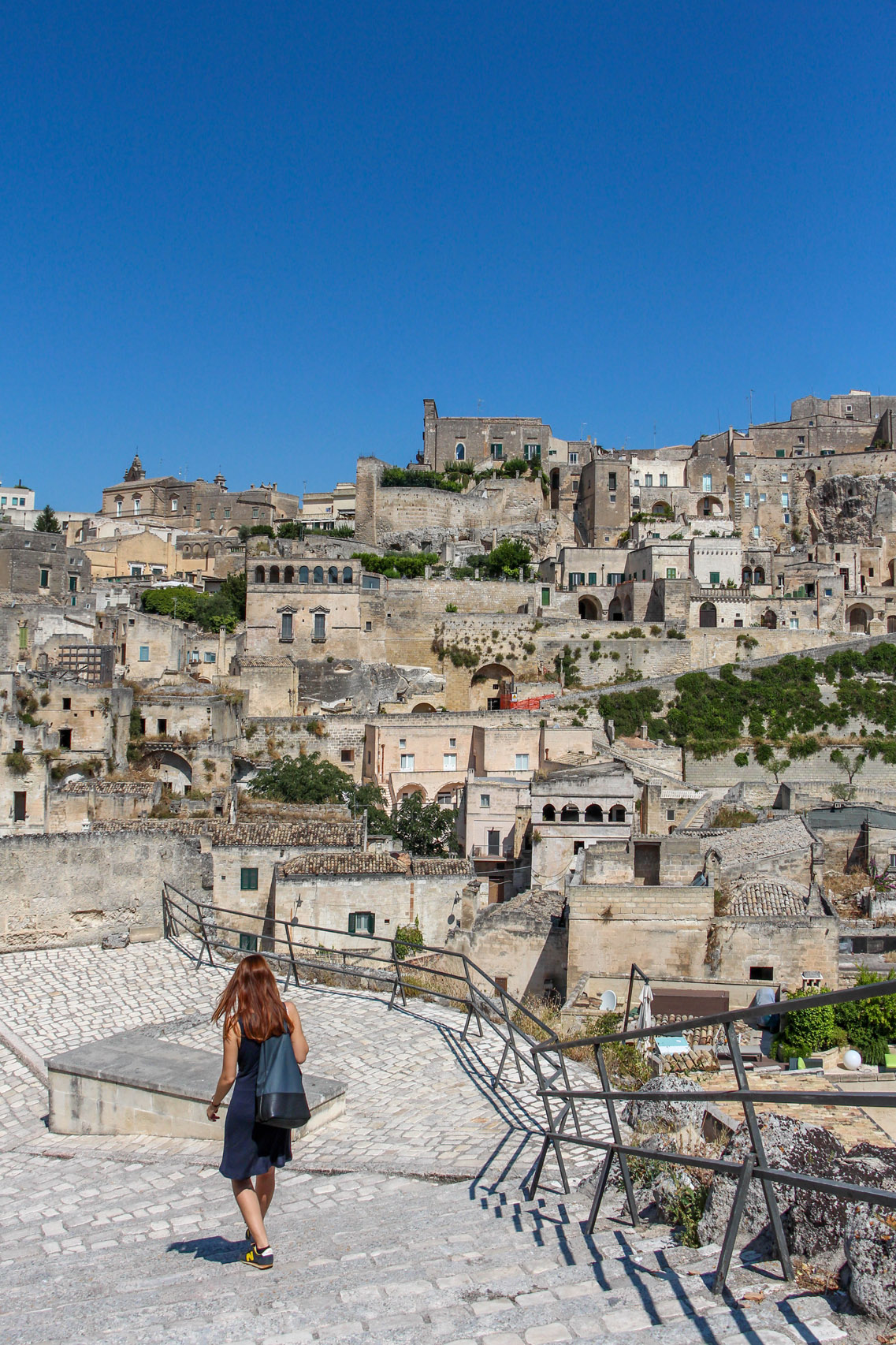
Nowadays Matera is one of the most beautiful and peculiar places a traveller could find. The town was built around a gully, in form of the arena, with cave houses, called sassi (which means "the rocks") rising one atop of another. Stone-paved streets circle down and up between the houses, many of them renovated into lovely accommodations, restaurants, bars, stores. Walk the streets of Matera, and the breathtaking views will keep opening up in front of you; the theatrical shape of the city provides for amazing view from almost every point of the city. In the night, flickering lights make the atmosphere magical.
We had the luck to stay with an amazing host, Eliana, in her eco-friendly b&b in one of the caves of Matera. She is a real enthusiast regarding her city and she provided so many plentiful information. If it wasn't for her, we wouldn't have seen many of Matera's amazing sites and places to be. At Eliana's place, we met the nicest New Zealanders, Alex&Alicia, with whom we shared some great breakfast talks, few bottles of wine in Eliana's patio and explored the city a bit. Also, their bathroom in the b&b was partly a cave, and Eliana showed us the actual cave in the back, which she started to renovate, and has a plan to convert it into an interesting meeting place where concerts or workshops could be held! Below are two photos with some charming details at Eliana's place!
We visited together the Casa Noha in Matera, where we learned about the city's unfortunate past. The story and the videos shared there leave no one indiferent. We also visited the MUSMA, the biggest Italian museum of contemporary sculpture, which is situated in the most extravagant setting I've been to- it consist of 7 long caves which spread like fingers deep into the rock. It was about 40 degrees Celsius on the street these days, and in the back of the caves it was 15!
Following the steps of Giorgio and Andrew from the BBC series, we visited some of the fantastic cave churches in the city, but the most extraordinary experience was seeing the Cripta del pecatto originale (Crypt of original sin) in person. This cave church is located a few kilometers outside of the city. It was discovered to the modern world in 1963 by the group of enthusiasts from Matera, and is considered today to be the "Sistine Chapel" of Rupestrian art. Here too, the main iconographical motif is the Original Sin, but the frescoes here date back to 8th or 9th century. The unknown artist called "Painter of the flowers of Matera" (because the walls are covered with beautiful red flowers typical of this region) painted this delicate, refined piece of art in the cave in middle of the fields! Everything about this experience was incredible, from the moment we started arranging the visit! We had to call to book our visit- we were instructed to meet with our guide on a gas station outside of the city. There were a couple of other visitors too, and we were all aproaching each other with the question: "Are you here for the crypt?" When the guide came, we had to follow him by car through country roads, and when we came to the spot, he unlocked the doors and let us in. We were sitting in the dark for few minutes, while he started to talk about the crypt, and then, one by one, the lights came up, iluminating the scenes in complete darkness of the cave. The guide was so immersed into the subject, that it was a pleasure to listen to him talking, while sitting on the cave floor and admiring rupestrial art!
The landscape surrounding Cripta dell pecatto originale
We also visited the Casa Grotta, representation of the life in the sassi in the first half of 20th century. The peculiar cave houses which we admire today as travellers, used to be not so romantic homes for families and their cattle- there was a tall bed where a bunch of people would sleep, and under the bed was the place for the pigs; today, there is a fake donkey tied in the corner of the room, as it was back then (the real one, of course), in the 1950s!
When you visit the city in July, like we did, it buzzes with life, a mixture of locals and tourists; but mass tourism hasn't touched Matera yet. I haven't seen any bigger hotels in the city (in fact, I only saw charming private accommodations!). When you take a walk at night, get off the main squares and streets, and you'll end up walking the sleepy cobbled streets all by yourself, meeting some cats or locals sitting in front of their houses along the way.
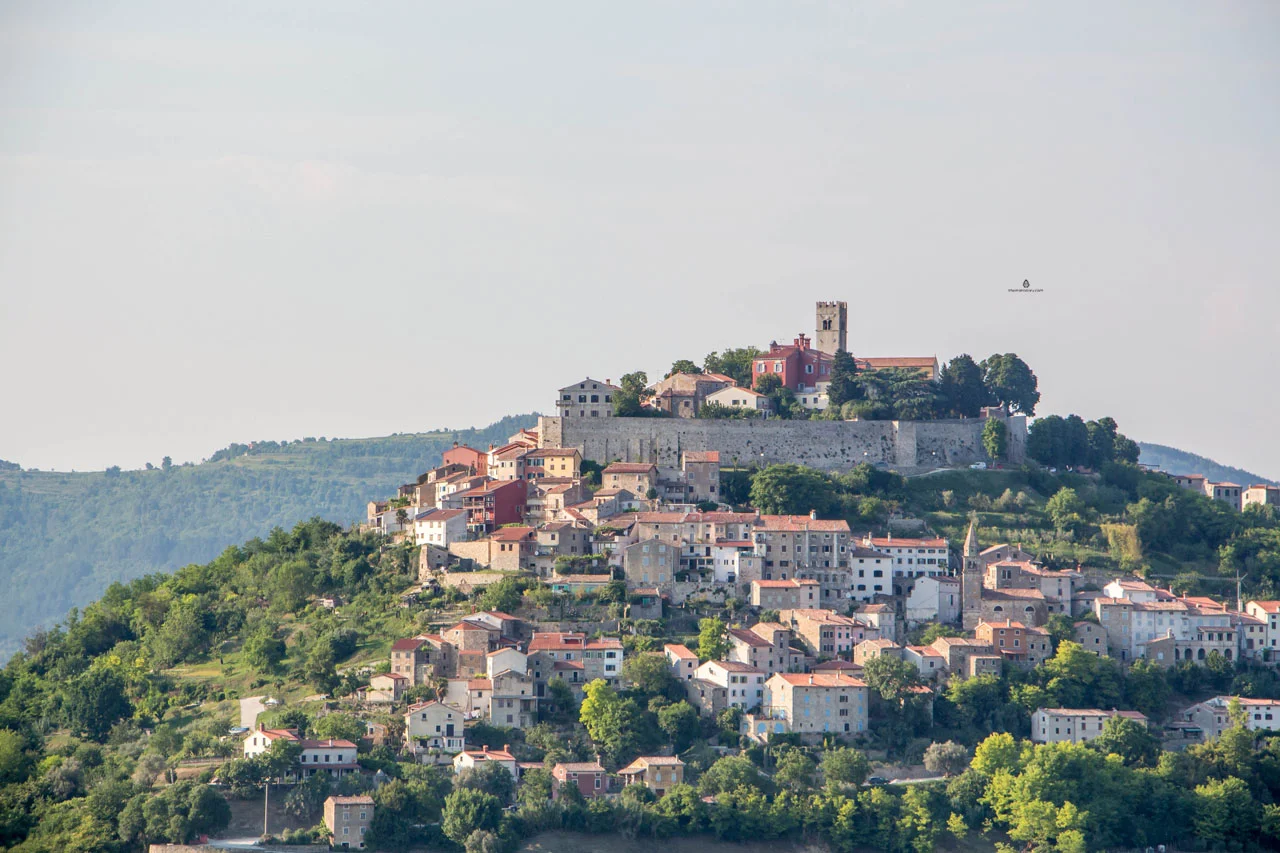
Some of the restaurants have amazing terraces with a view of the sparkling city. I often think about one particular evening, on a terrace overlooking the city, where we enjoyed good food and wine, with a guitar player singing Italian serenattas for each guest (we asked for Louis Prima's Buona Sera :)).
There are some really nice dellies and bars offering tasty local cheeses- oh how we indulged in the creamy local burrata, it might be my favourite cheese of all times! And for the ice-cream lovers, the shop called I vizi degli Angeli apparently sells the best in town (we've tried it, it's delicious)!
Matera was the end of our southern Italian journey, and we spent those two days perfectly: we visited everything we wanted to see on a relaxed pace, met some really nice people, enjoyed the walks, emerged into history of this extraordinary place, and made some lasting memories.
I'll finish off with Carlo Levi's quote:
"No one has come to this land except as an enemy, a conqueror, or a visitor devoid of understanding. The seasons pass today over the toil of the peasants, just as they did three thousand years before Christ; no message, human or divine, has reached this stubborn poverty."
It made me happy to see that now, about 80 years later, the town is slowly blossoming, still modest and simple; it seems that the message, at least human, finally came, and I tried not to be a visitor devoid of understanding.
I wish all of you a year of happiness, travels, music, adventures, friendship and love!
PUGLIA AND BASILICATA ROAD TRIP: OSTUNI & LECCE
After our short but sweet stay in Alberobello we headed further south, to Lecce. The weather was extremely hot, after all, it was July, and the biggest part of the day was ruled out for sightseeing. That's why we didn't stop at Locorotondo, Martina Franca or Cisternino, all lovely little places (at least that's what I've read about them), on our way to Lecce.
We did stop at Ostuni, the so called "White Town" as we were hungry and exhausted from the drive in a glowing car (the Air Conditioning could barely tone down the heat). It is a pity that the heat was unbearable and that we were too tired and a bit lost when we started searching for the city center and a place to eat.
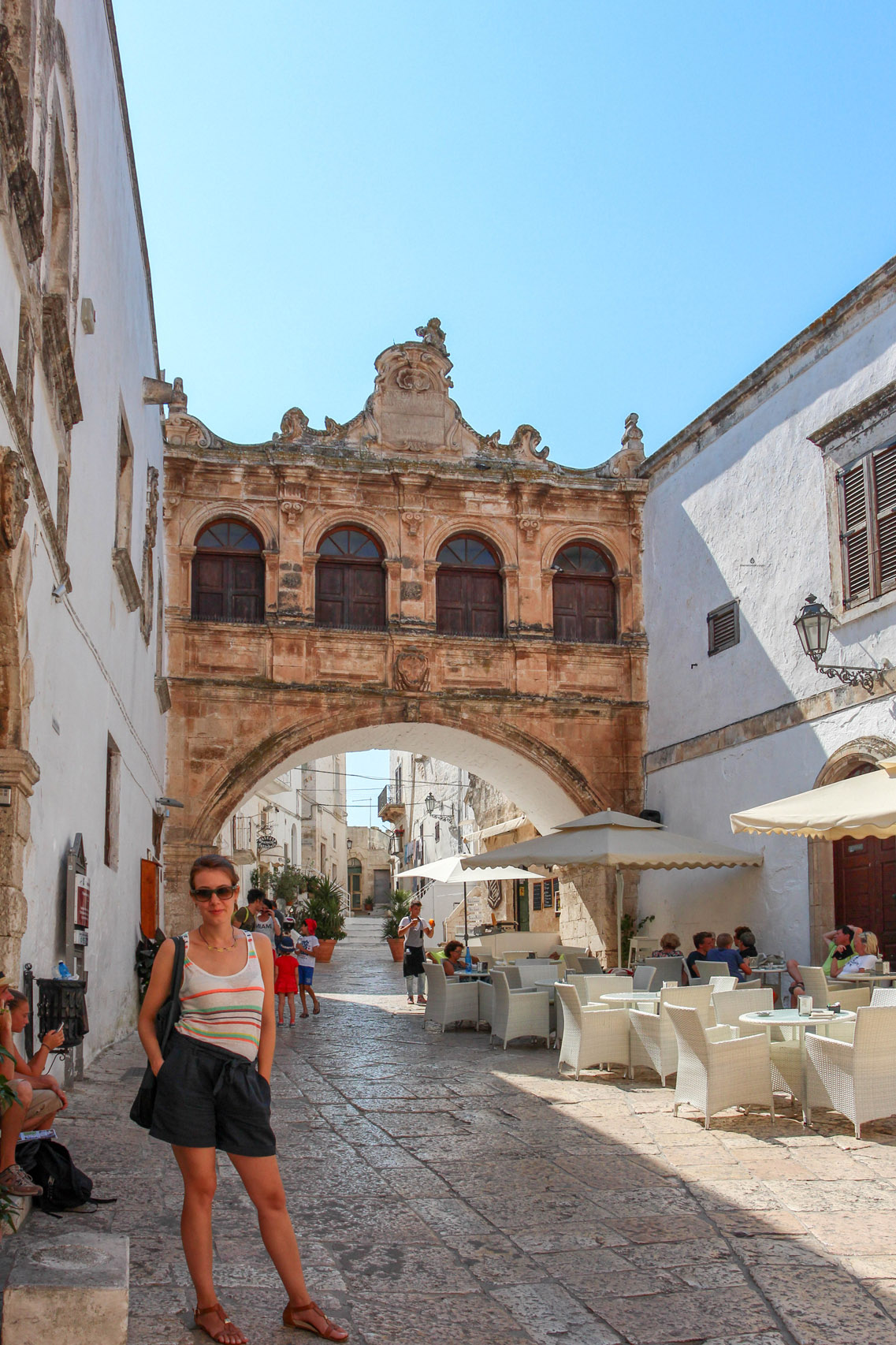
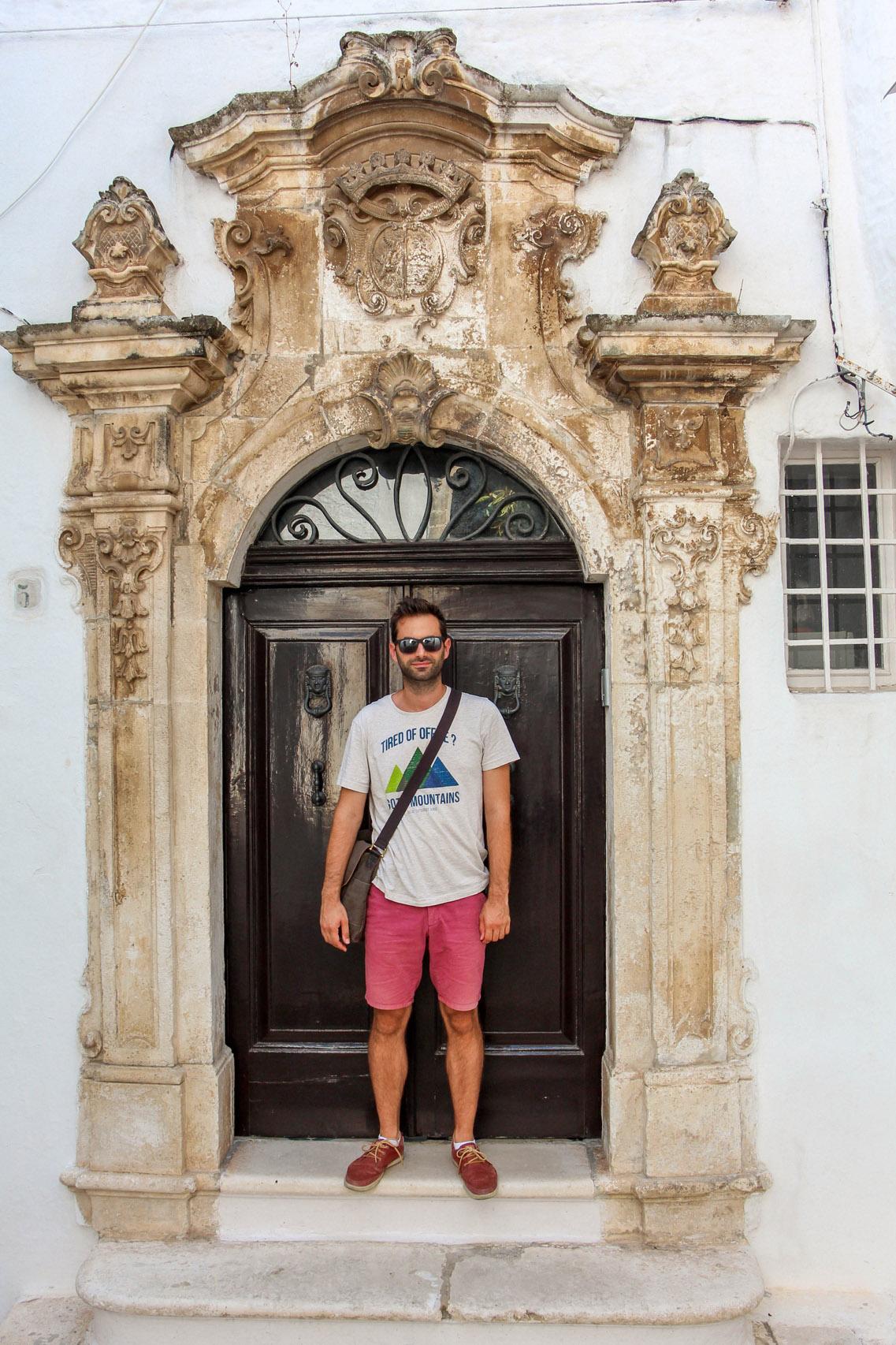
When we ultimately found the center, we also found a place to sit, it was a colorful and hip bar called Evo, which had good sendwiches and excellent smoothies and cakes. A bit refreshed, we took a walk through the old part of the town. It is a hilltop town with narrow cobbled streets, white washed houses and some beautiful architectural pieces. I can imagine it beeing especially charming at dawn and evening, when the streets come to life with its restaurants, bars and shops, and the white washed houses start to glow in the night.
However, we left Ostuni for some other time, and headed to Lecce.
Lecce was kind of a dissapointment for both of us. I even thought of skipping the post about it on the blog, but since I'm doing a series on this Puglia and Basilicata road trip, it wouldn't make sense, and also everything can't always be beautiful or charming or lovely.
Just like sometimes everything clicks perfectly in some places in the right moment, it happened just the opposite for us in Lecce.
I cannot say that it is not a pretty town, after all it is the finest example of a baroque town, sometimes even called "the Florence of the South". But, as I said in one of my previous posts, "it may take only one rainy day or lousy restaurant to take the magic away", and so it happened in Lecce.
It was unbearably hot, really, (the sea wasn't so close to offer some refreshment) which excluded sightseeing during the day (we did try it once and came back to our apartment half-alive). Our accommodation didn't meet our expectations, but what bothered us most is that we have barely seen our host! So, we got zero local tips, which are usually so valuable for us. I have to admit that breakfast was good though. :)
During the day, the streets were completely empty, here and there, you'd catch a glimpse of a lost group of tourists wandering around slowly under the burning sun. In the evening, it seemed like everyone- all the tourists and all the locals poured out from their daytime shelters, to catch a little breeze on the evening passegiata, and we found the streets too crowded for a relaxed walk.
Although the streets were crowded and we were surrounded by amazing baroque architecture, we couldn't find that liveliness, charm, and beauty of the Italian town, it simply wasn't what we expected.
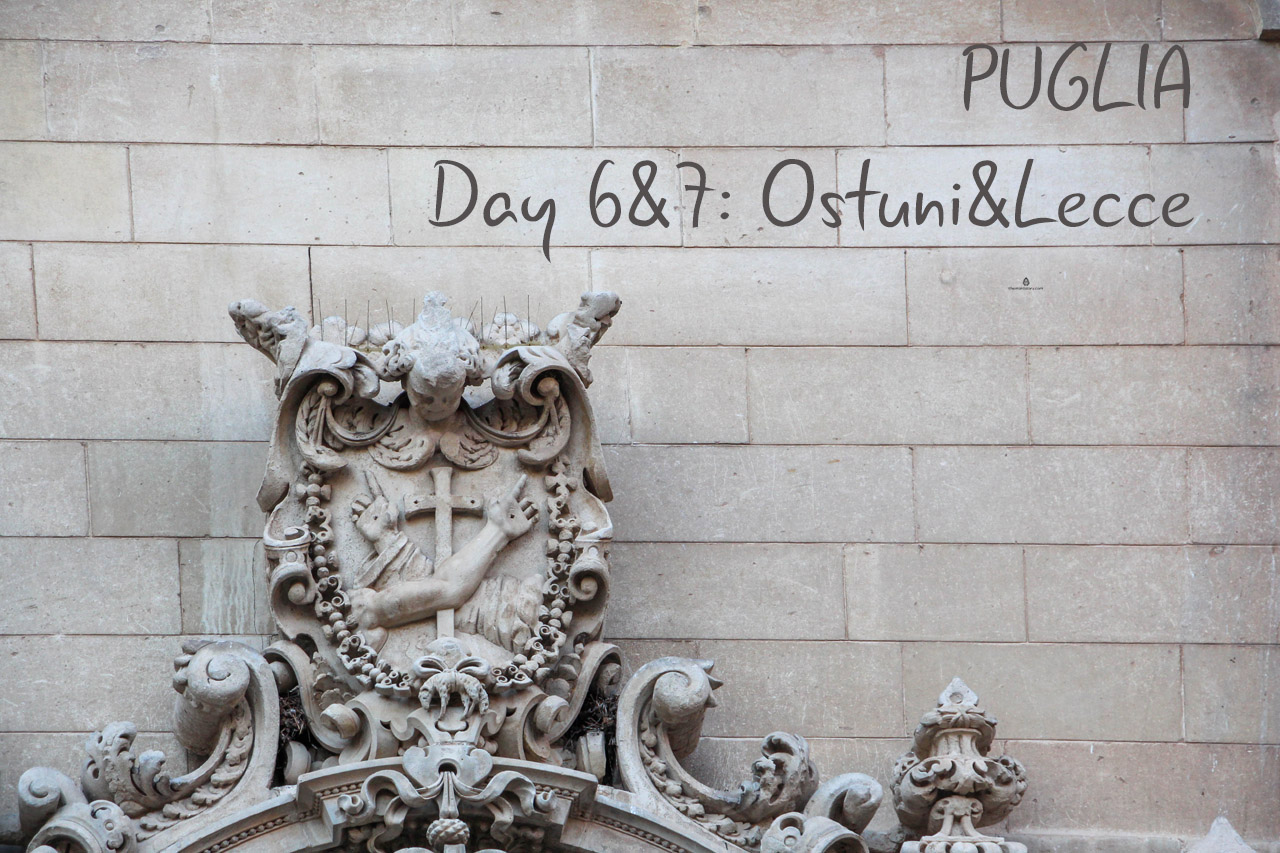
The town had its highlights, such as Basilica di Santa Croce with its exhuberant baroque facade (Giuseppe Ceva Grimaldi, 18th century politician and author wrote about it in his "Itinerario da Napoli a Lecce", saying that the extravagant facade looked to him as a "delirious dream of a sick person"), park of the Villa Comunale where we hid from the sun one day, the Roman amphitheatre... I particularly liked one street scene in front of the church of Santa Irene: it was a puppet theatre piece performed by a young woman and a charming grandma puppet. It was so funny, well performed and captivating- both kids and us adults were enchanted by grandmas little feet tapping on the stone paved square. :)
Now that I think about it, we could give Lecce another shot!
However, we were longing to move forward, to our next destination, which turned out to be a highlight of our trip- the wonderful Matera. I can't wait to share my photos and experiences of this special place in my next post.
Till then, I'd really like to hear some of your travel letdowns, and if you're happy as long as you're traveling, I'm always interested in good travel stories! :)
.

We've been wanting to visit Oprtalj in the northern part of the region ever since our Istrian friends that live abroad told us they like to spend a couple of days there each summer, just relaxing, enjoying the views and eating truffle pasta of course. They also told us of a little abandoned, almost forgotten town of Zavrsje, about 10 minutes drive from Oprtalj.