Numerous reasons to visit Sicily... for those who are still hesitating!


Sicily is a place that can't be described in one short post, especially if you have enough time to indulge in its cultural, natural and culinary richness. That's why I've already wrote two blog posts about our Sicilian adventure, and it seems to me now that there's more to come! :)

After a few lovely days spent in the valley of baroque towns, we headed to another famous Sicilian valley, the one of the Temples (or in Italian, Valle dei Templi) to discover ancient history of the island.

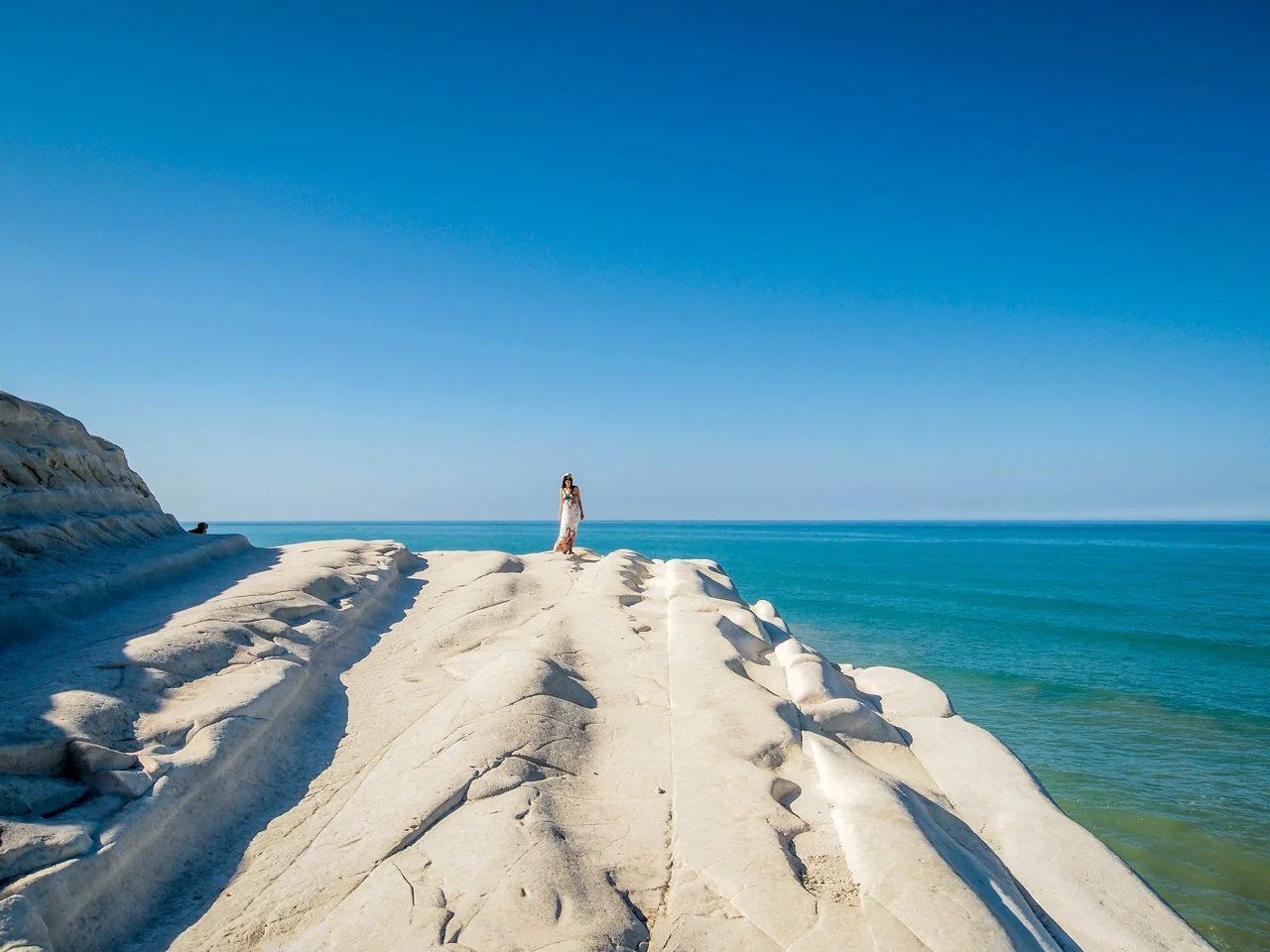
White cliffs of Scala dei Turchi near Agrigento

White cliffs of Scala dei Turchi near Agrigento

The city of Agrigento was founded by Greeks in the 6th century BC on a plateau overlooking the sea and olive groves and was then known by the name of Akragas.  According to UNESCO, it was one of the greatest Mediterranean cities of ancient world, and thanks to the extraordinary condition of preserved temples, it is today a protected site.

Valle dei Templi with it's ancient olive groves

Valle dei Templi with it's ancient olive groves

We approached Agrigento by car, struggling to find our accommodation, navigating in circles through narrow, one-way streets of the city on the hill. Next morning we woke up early to avoid the unbearable sun beams while visiting the white cliffs of Scala dei Turchi and the temples of Valle dei Templi.

Taking a walk on Scala dei Turchi

Taking a walk on Scala dei Turchi

I have to admit that I expected more from Scala dei Turchi (translated “Stair of the Turks”) which looked so tempting on all the photos and postcards. I don’t wan’t anyone to get the wrong impression- the white cliffs are peculiar and interesting, but not as big and impressive as I imagined, and the turquoise sea seen from the distance was pretty muddy because of the waves that raised up the sand. We sat on the warm cliffs as long as the rising sun allowed us to, took a walk on the sandy beach and then headed back to see the temples.

Temple of Hercules in Agrigento

Temple of Hercules in Agrigento

Temple of Concordia in Agrigento

Temple of Concordia in Agrigento

The site is amazing- the Greek town of Akragas landed on a hilly landscape with a view of turquoise sea, and is today surrounded by ancient olive groves. The temples were built in Doric Order, the most simple and the most massive one of three Greek orders (Doric, Ionic and Corinthian). They look impressive in their simplicity and proportion on the background of clear blue sky, as they must have looked 27 centuries ago.

Bougainvillea blossom in Valle dei Templi

Bougainvillea blossom in Valle dei Templi

Temple of Juno in Agrigento

Temple of Juno in Agrigento

Before heading to Palermo we decided to stop at Sciacca, charming fishing port and the so called “city of ceramics”.

The city wasn’t as pretty as medieval Cefalù or romantic Taormina, but it had a laid-back atmosphere, artistic vibe and the terraced main square overlooking the sea and the port dotted with fishermen’s boats. I found out later that the city hosts one of the most frequented carnivals on Sicily and is known for its spas- so there are few good reasons to visit!

The view of the port from the main square of Sciacca

The view of the port from the main square of Sciacca

Chiesa Madre in Sciacca

Chiesa Madre in Sciacca

One could spend quite a lot of time wandering through ceramics shops of Sciacca- we found one that had original pieces and a nice lady selling them, so we ended up buying a pile of beautiful souvenirs, and even visiting the workshop of the family producing them!

Lovely ceramic butterflies on the wall of a hallway in Sciacca

Lovely ceramic butterflies on the wall of a hallway in Sciacca

The road that connects southwestern Sicilian coast and Palermo passes through picturesque landscape of wavy golden hills, which we were able to enjoy thanks to the low traffic, mild afternoon sun that spread over the hills and a bunch of croissants filled with pistacchio cream given to us by our kind hostess in Agrigento!

Traffic in Palermo was a shock at first- as there are almost no rules and no safety distance in lines for Palermitan drivers, but we got used to it and just went with the flow (and also didn’t use our car till the day of our departure :) ).

Palermo is an assembly of historical layers with great architectural pieces and chaotic 20th century residential architecture, broad avenues and dirty side alleys, expensive fashion stores and and quirky farmers markets...

Chiesa della Martorana and Chiesa di San Cataldo in Palermo
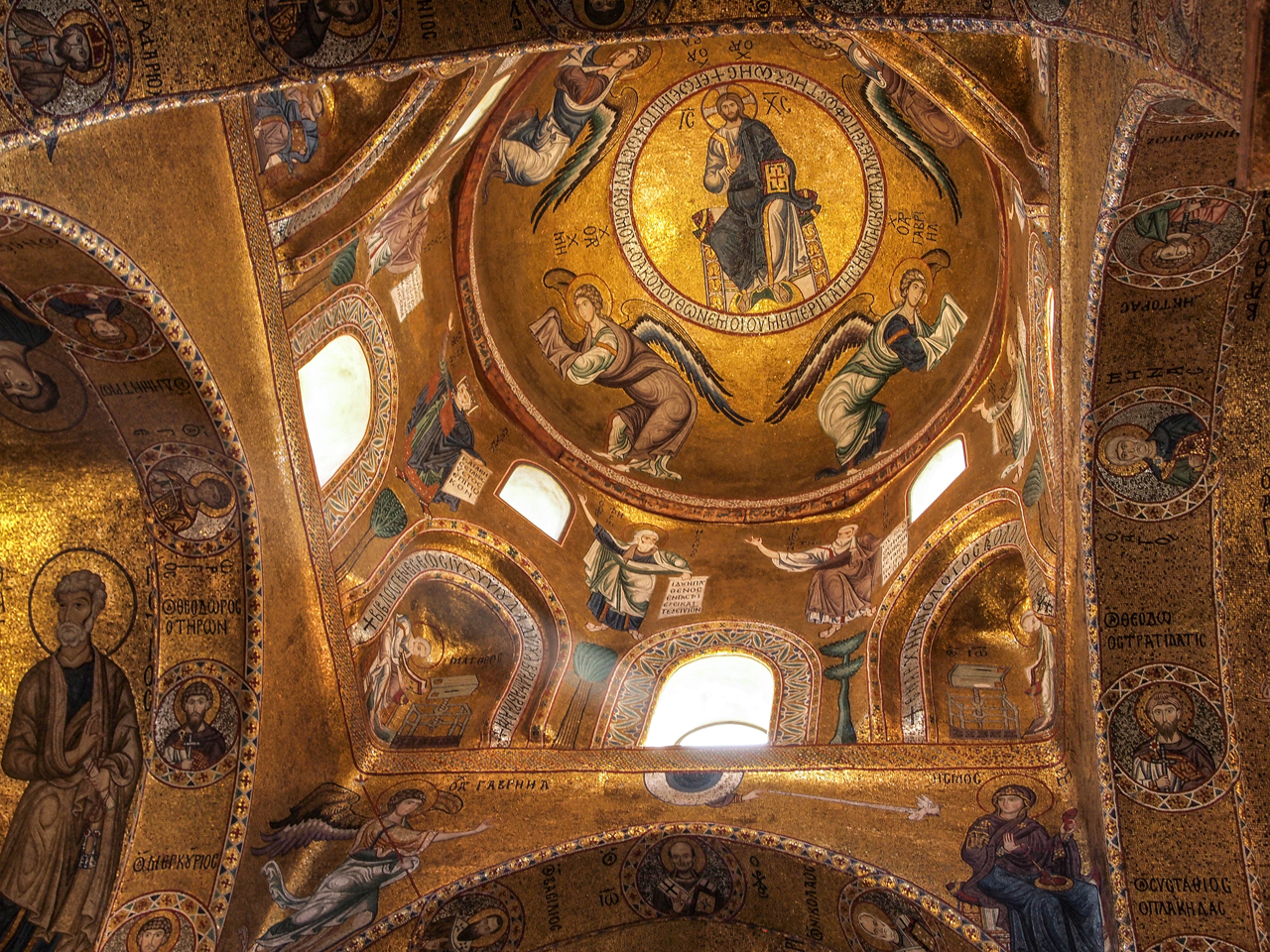
Chiesa della Martorana and Chiesa di San Cataldo in Palermo

Byzantine mosaics in the interior of Chiesa della Martorana

Byzantine mosaics in the interior of Chiesa della Martorana

Chiesa di San Cataldo, Palermo

Chiesa di San Cataldo, Palermo

If you’re visiting Palermo there are some things not to be missed: Vucciria or Ballaro Markets with their abundance of colours, smells and sounds, complex architectural legacy inherited from all the invaders that once ruled the island, brioche con gelato which is a Palermitan specialty and locals say that you can’t leave without trying it, and getting to know the locals- their warm hospitality and spontaneity is really enjoyable. 

Chiesa della Martorana (depicted on the pictures above) is a wonderful example of architectural multiplicity, with its Byzantine mosaics, medieval bell-tower and baroque façade!

Baroque fountain Pretoria and medieval tower of Chiesa della Martorana

Baroque fountain Pretoria and medieval tower of Chiesa della Martorana

The Cathedral of Palermo

The Cathedral of Palermo

Tasty lunch in a bar popular among students (we can understand why!)

Tasty lunch in a bar popular among students (we can understand why!)

Our last night on Sicily was a cherry on top to this wonderful trip- we tried out a restaurant in Palermo that served some insanely good seafood dishes, all of them fresh and local, of course! The staff were so friendly and kind- they invited us to see a bucket of fresh lobsters that had just arrived, and talked with us about the differences between Croatian and Italian seafood cuisine!

Although our trip came to an end in Palermo, I am going to write two more posts about Sicilian cuisine, as I am obviously excited about everything we’ve seen and tasted there, and can’t wait to go back and explore this astonishing land further. 
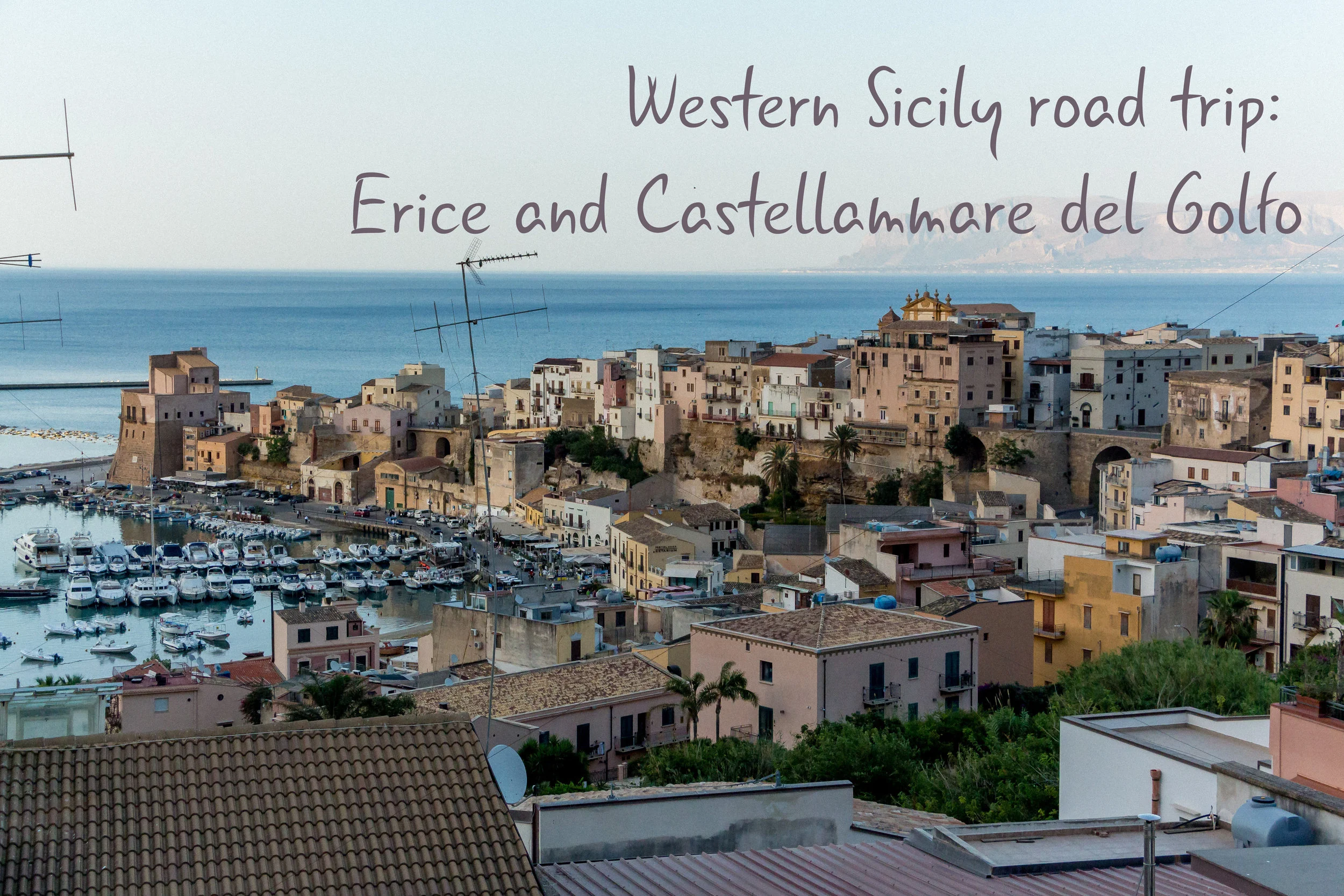
 

Numerous reasons to visit Sicily...again!

In my latest blog post I wrote about the first part of our Sicilian adventure which is one of our favourite trips so far, as it was 10 days of sun, beautiful landscapes, winding roads, delicious food, evening passeggiatas, gelato, friendly locals, improvised Italian, hilltop towns and temples, crazy traffic, charming cities, ceramics shopping and the turquoise sea!

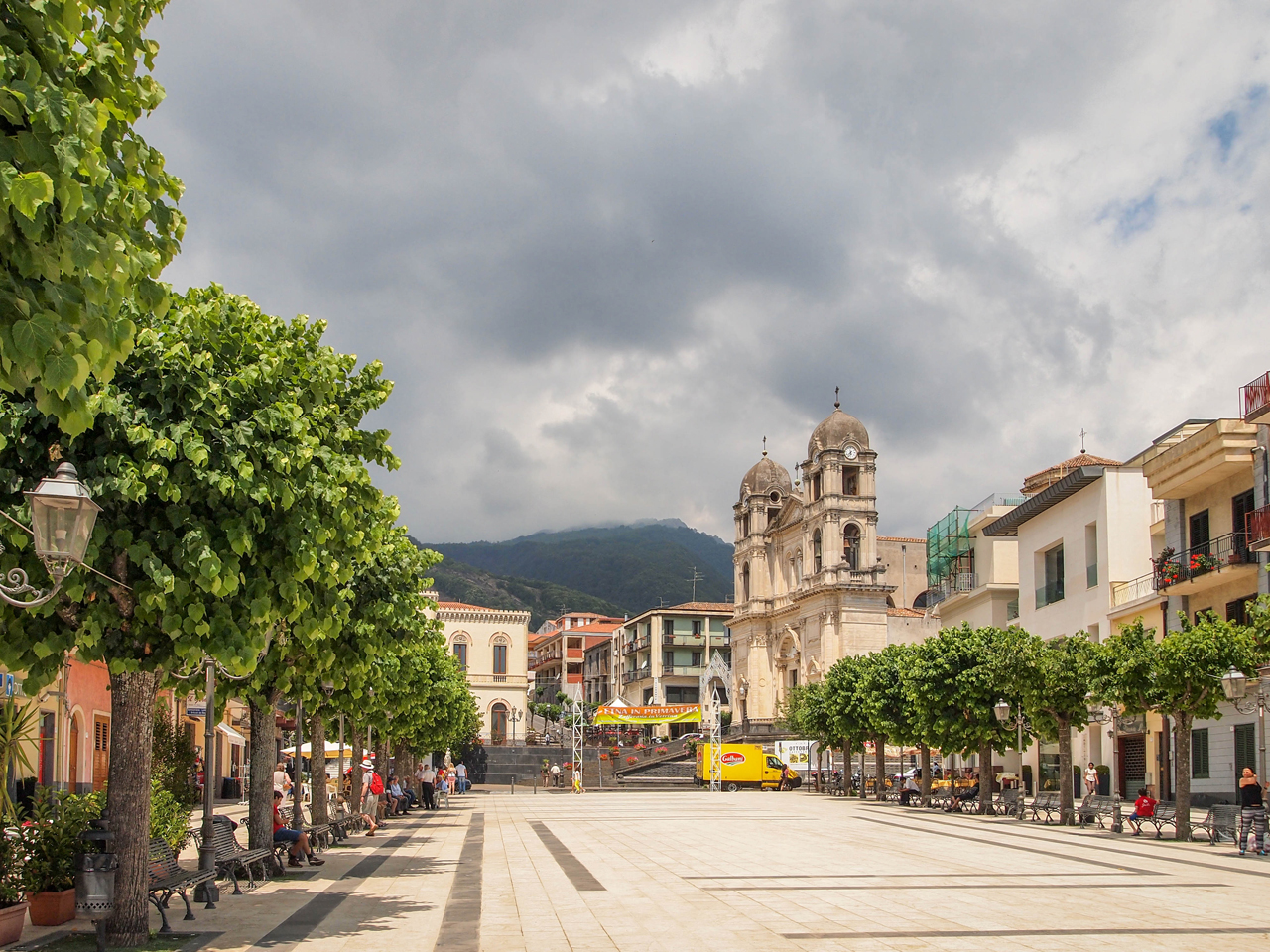
The last stop I wrote about was Taormina, situated about 45 minutes’ drive from the town of Zafferana Etnea in the bottom of the Mount Etna. Zafferana Etnea is a lively little town, with a huge main square overlooking the sea, where we had the best ice cream on the island ( though I have to admit that the bar is ranked pretty poorly on Tripadvisor :) ).

The main square- Piazza Umberto I in Zafferana Etnea

The main square- Piazza Umberto I in Zafferana Etnea

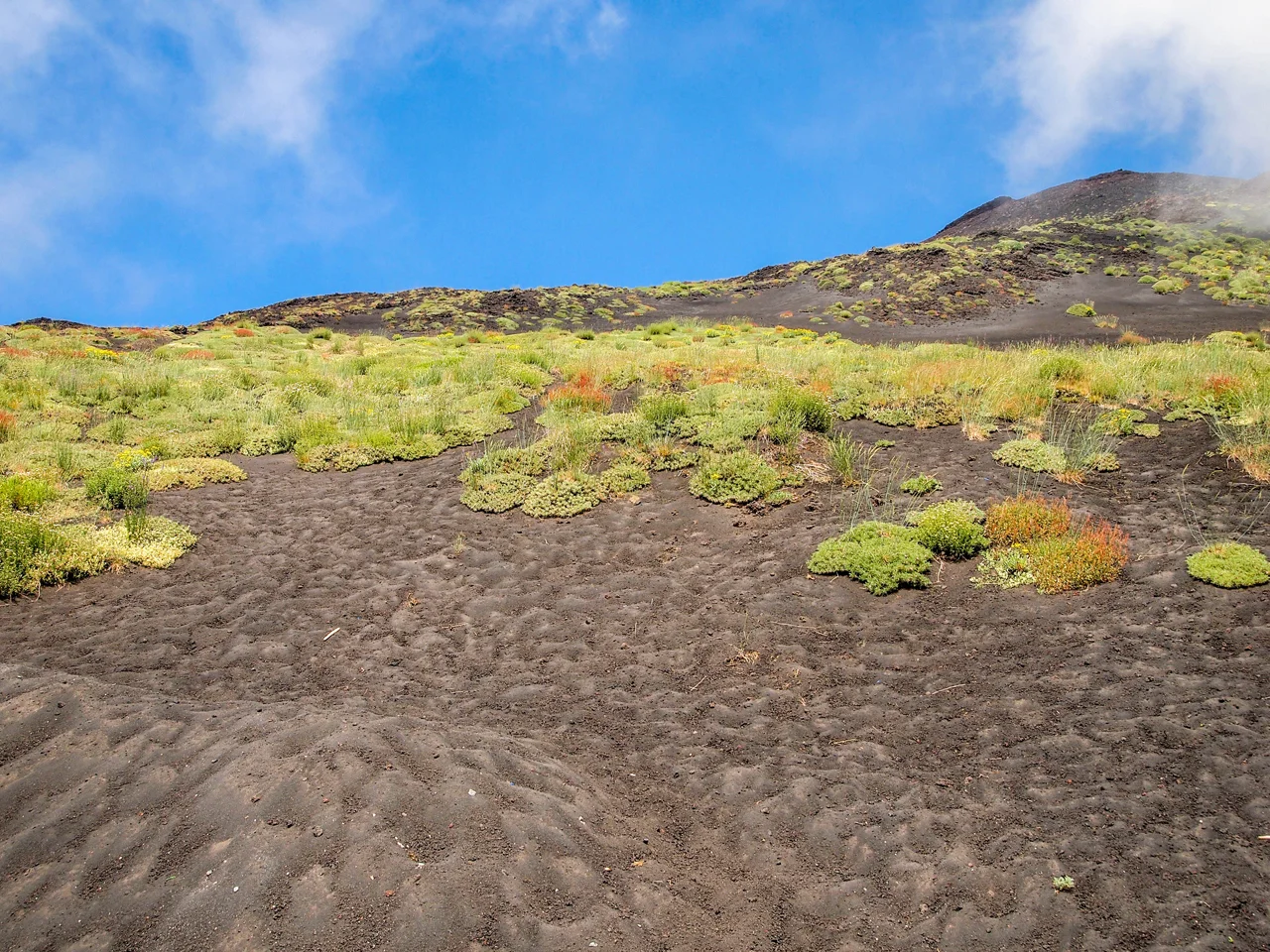
As we drove to the Sapienza Refuge, which is a starting point for the cable car, we were amazed by peculiar volcanic landscape- we’ve never seen anything like it before! We took many photos of the dark grey soil with little “islands” of bright green grass, and the background of clear blue skies.

Colorful landscape on the lower slopes of Mount Etna

Colorful landscape on the lower slopes of Mount Etna

Bright green "islands" on the dark volcanic soil

Bright green "islands" on the dark volcanic soil

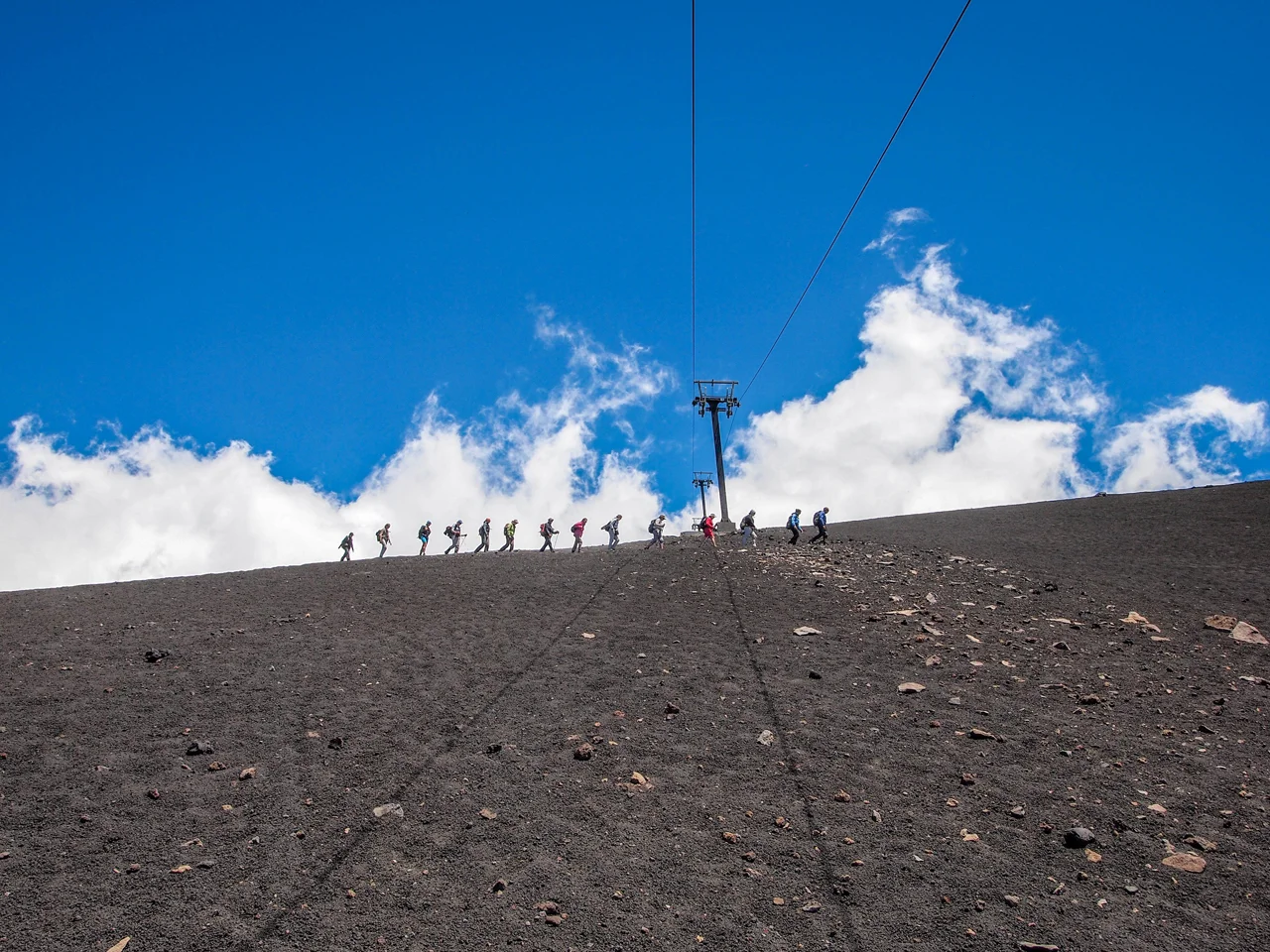
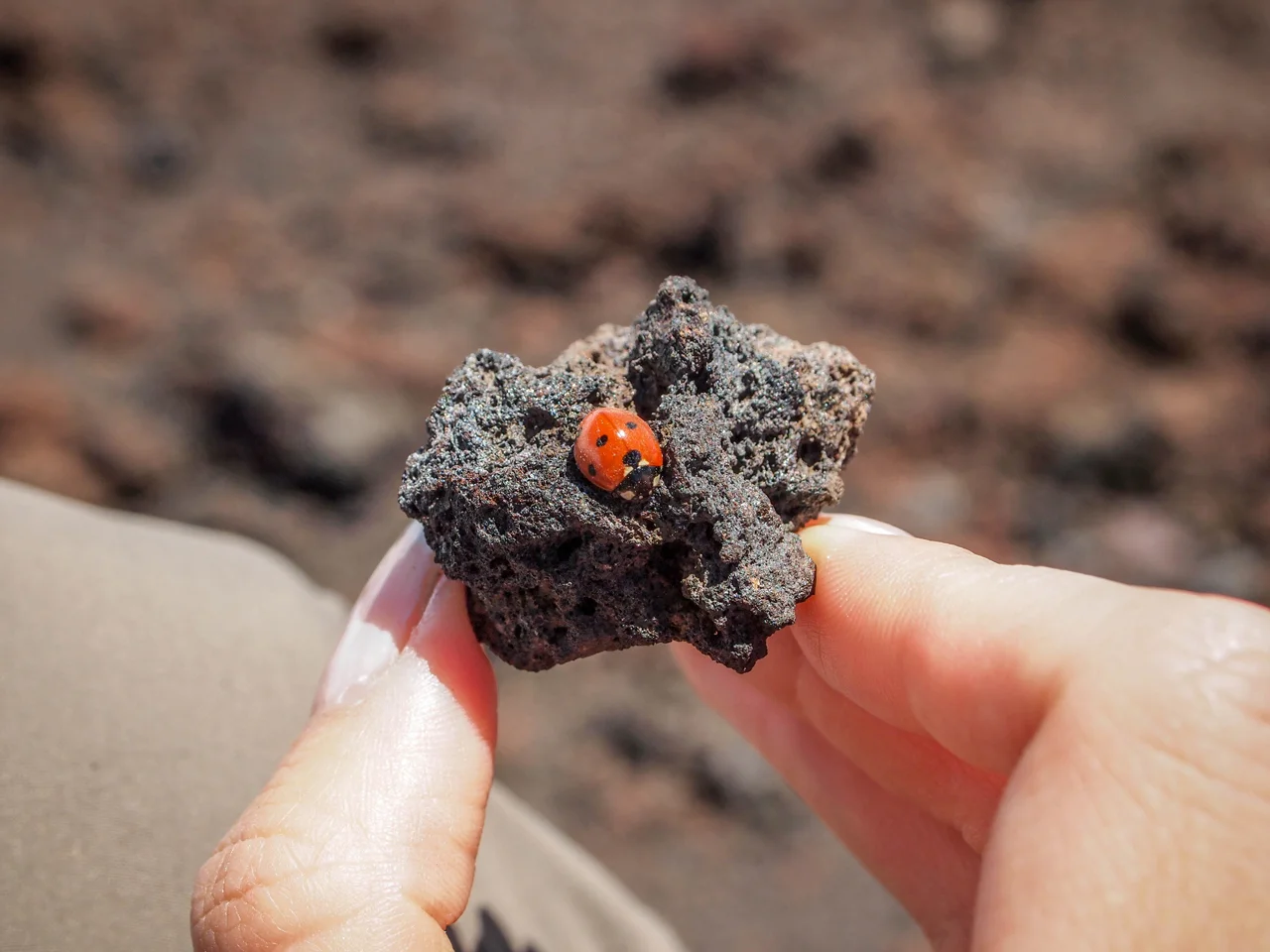
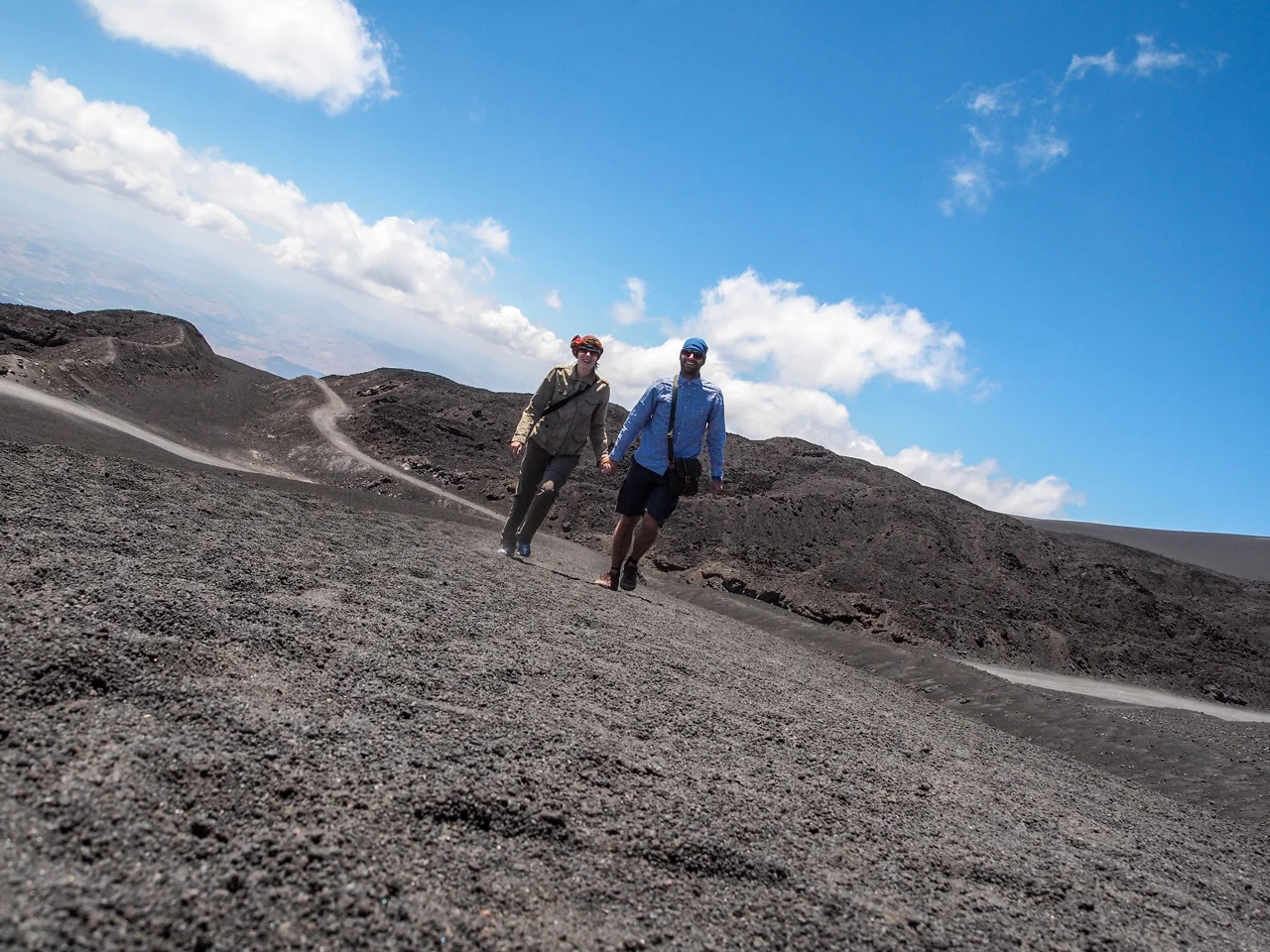
The landscape changed as the cable car drove us to the 2500 m height- no plants were growing there, and we found ourselves surrounded by desolated landscape of dark volcanic soil. We climbed up to one of the craters, and it was one of our most memorable experiences- the ground was hot, the wind was cold and extreme, and the sun was burning. We enyojed the view of the sea and of the other craters, the warmth of the soil with little ladybugs crawling on it, and the special feeling of admiration to our planet.

Trekking on Mount Etna

Trekking on Mount Etna

Crater inhabitants :)

Crater inhabitants :)

Mount Etna Selfie!

Mount Etna Selfie!

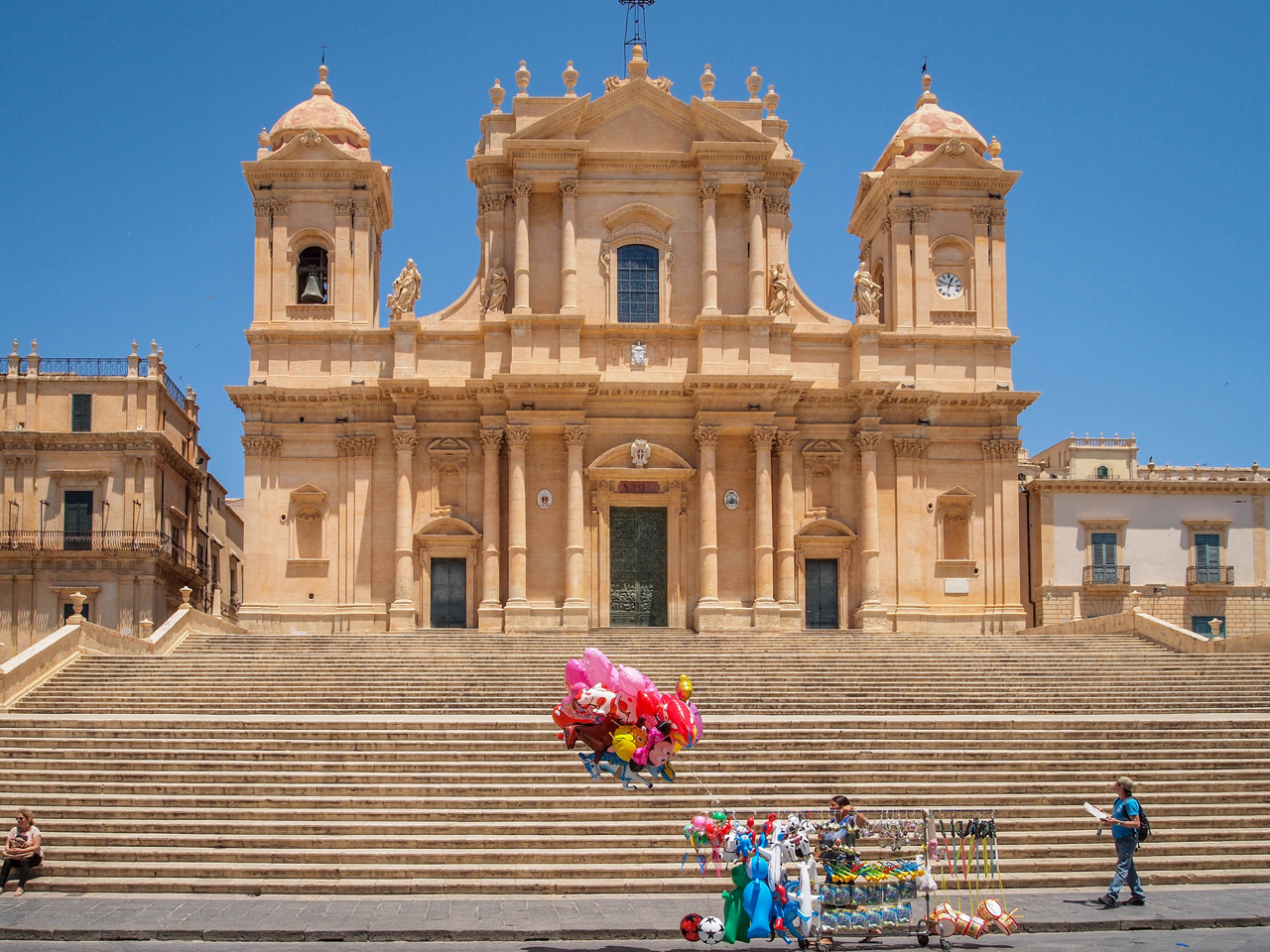
By the late afternoon we arrived to Modica, one of the baroque towns situated in Val di Noto. Those towns were destroyed by an earthquake in the late 17th century, and were completely rebuilt in baroque style out of limestone from the area. Eight of those towns are situated on the Unesco World heritage list: Modica, Noto, Ragusa, Scicli, Catania, Palazzolo Acreide, Caltagirone, and Militello in Val di Catania. We visited Modica, Noto and Scicli and they are real masterpieces of baroque architecure, as the architects were given the opportunity to create whole towns (churches, palaces, new streets layouts) in a style that was by then widely spread and elaborated all over Italy, but still provincial and naive on the island. The style they developed became characteristic for Sicily, with its lavish decorations (grotesque masks are a specific feature), façade belfrys, balconies, concave/convex façades etc.

Baroque façade of San Nicolò Cathedral in Noto

Baroque façade of San Nicolò Cathedral in Noto

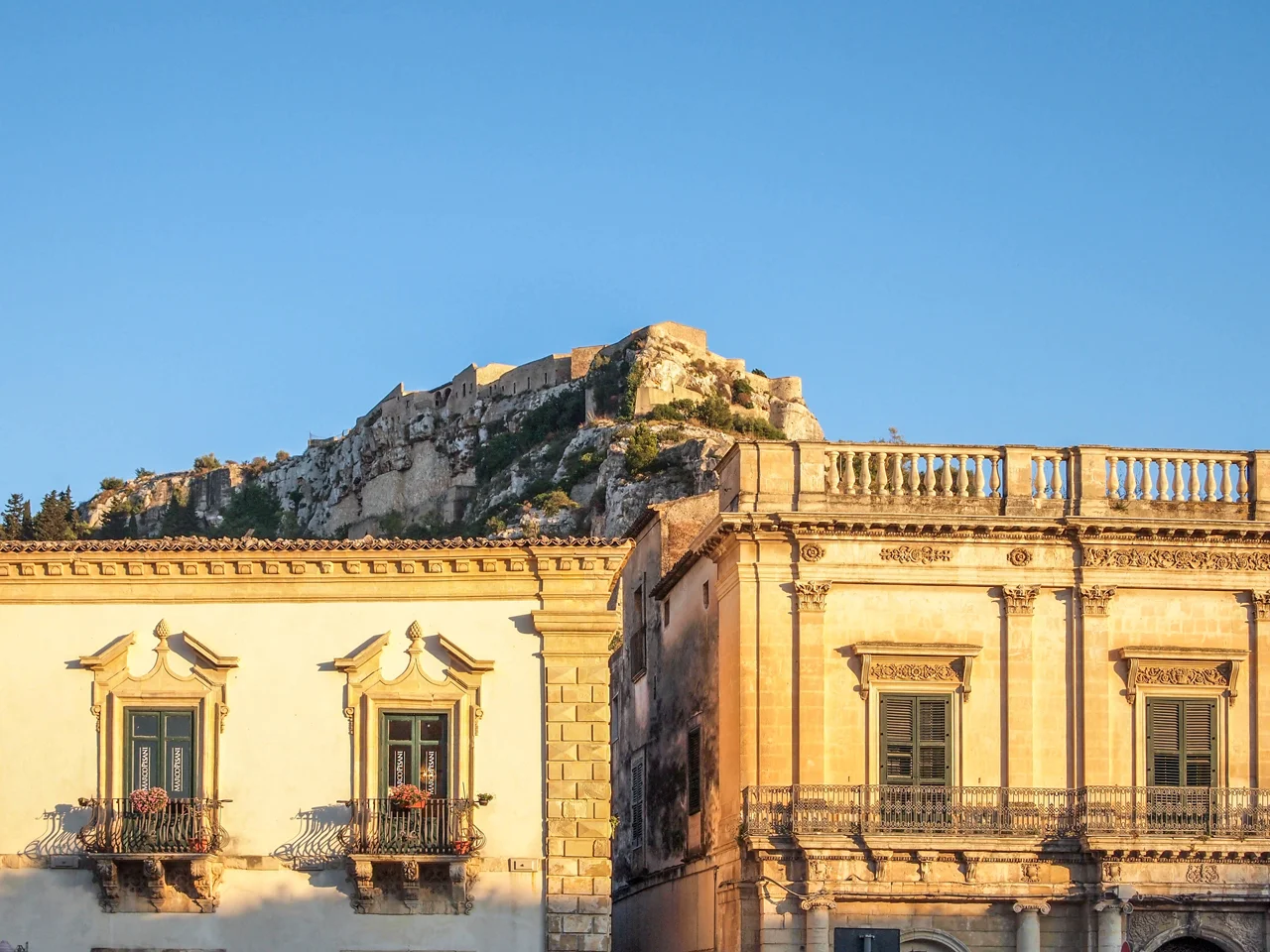
Golden glow on the baroque houses of Scicli

Golden glow on the baroque houses of Scicli

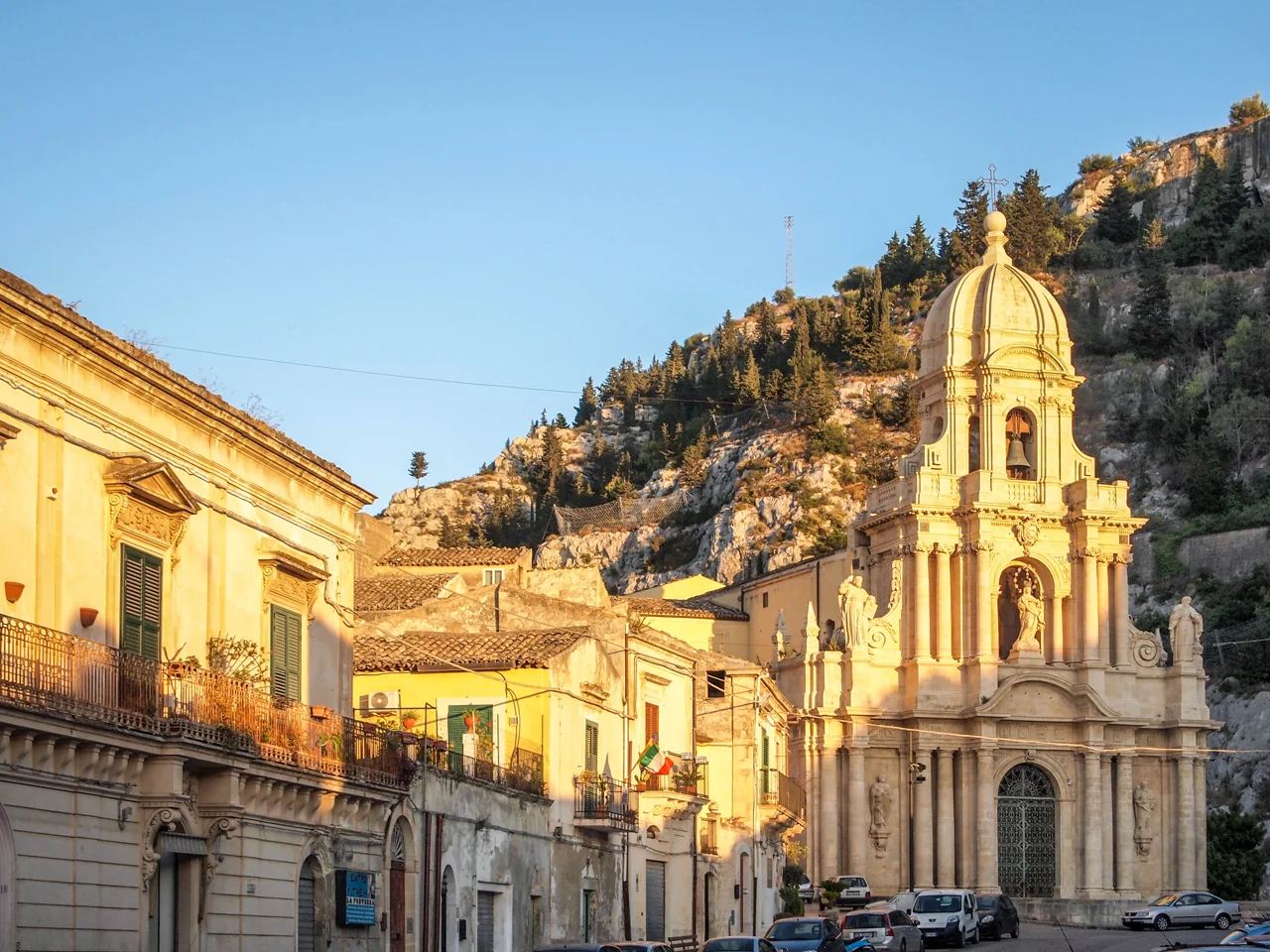
Late baroque church of San Bartolomeo in Scicli

Late baroque church of San Bartolomeo in Scicli

The yellow limestone from which the buildings are built gives those towns a special golden glow that shines so mildly in the late afternoon. But there is another side of that special glow- the soft "tufa" limestone decays very quickly, which became a real problem in the preservation of those cities!

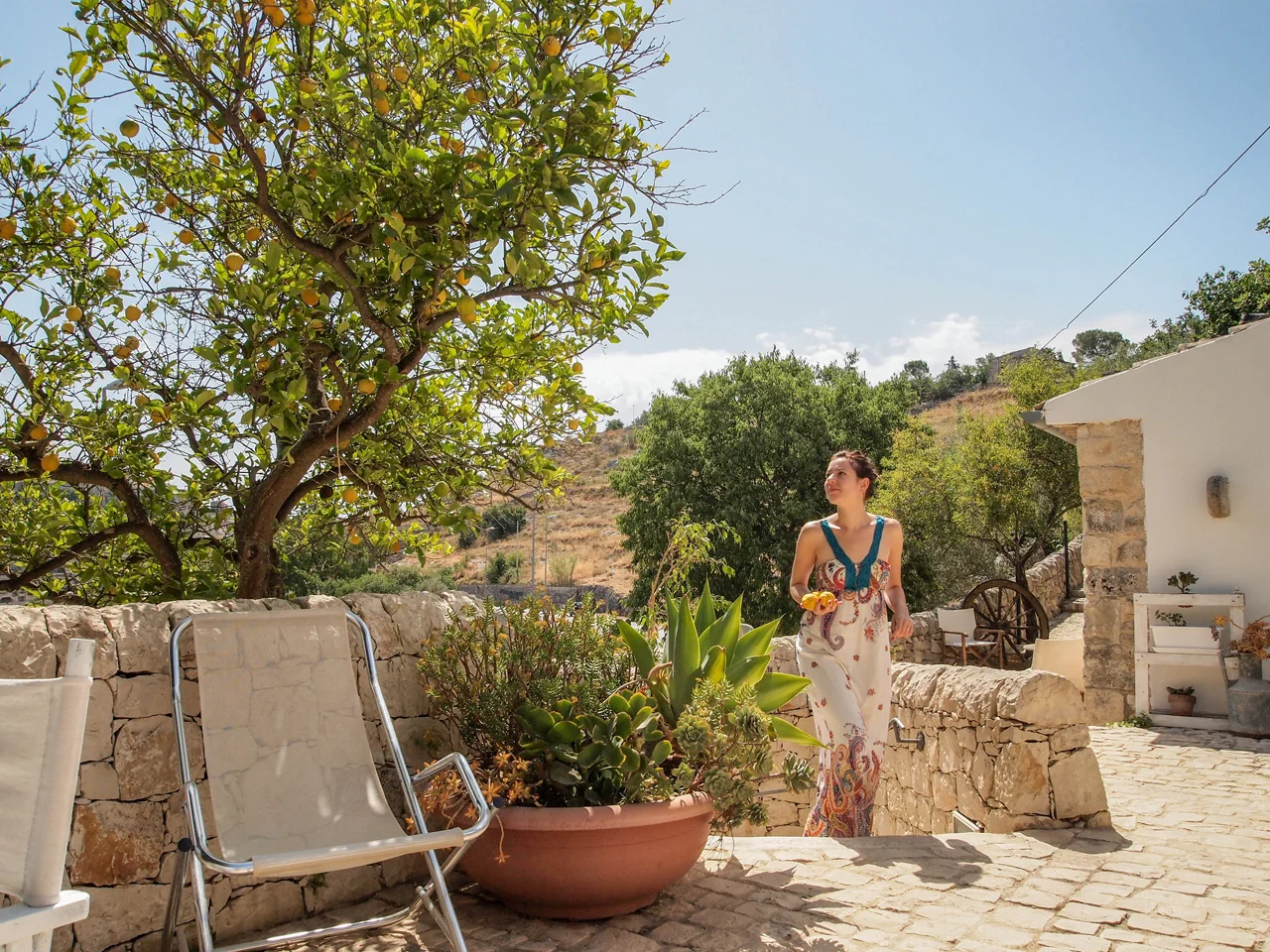
Our accommodation in Modica was amazing, and I feel it has to be mentioned! Three little houses (each one is an apartment) are carved in a rock, connected by charming terraces with lemon trees, cactuses, herbs, and diy outdoor furniture. The interior is furnished in a traditional manner with loads of ceramic details but also with a modern kick. Our kitchen was literally carved out of rock!

We enjoyed breakfasts and dinners outdoors, in the shade of a giant tree, with a view of Modica. We made lemonade every day, pressed out of the fresh lemons growing on our terrace, how lovely is that? I eventually ended up with a suitcase full of lemons on our way back home. :)

Picking up the lemons that fell on our terrace :)

Picking up the lemons that fell on our terrace :)

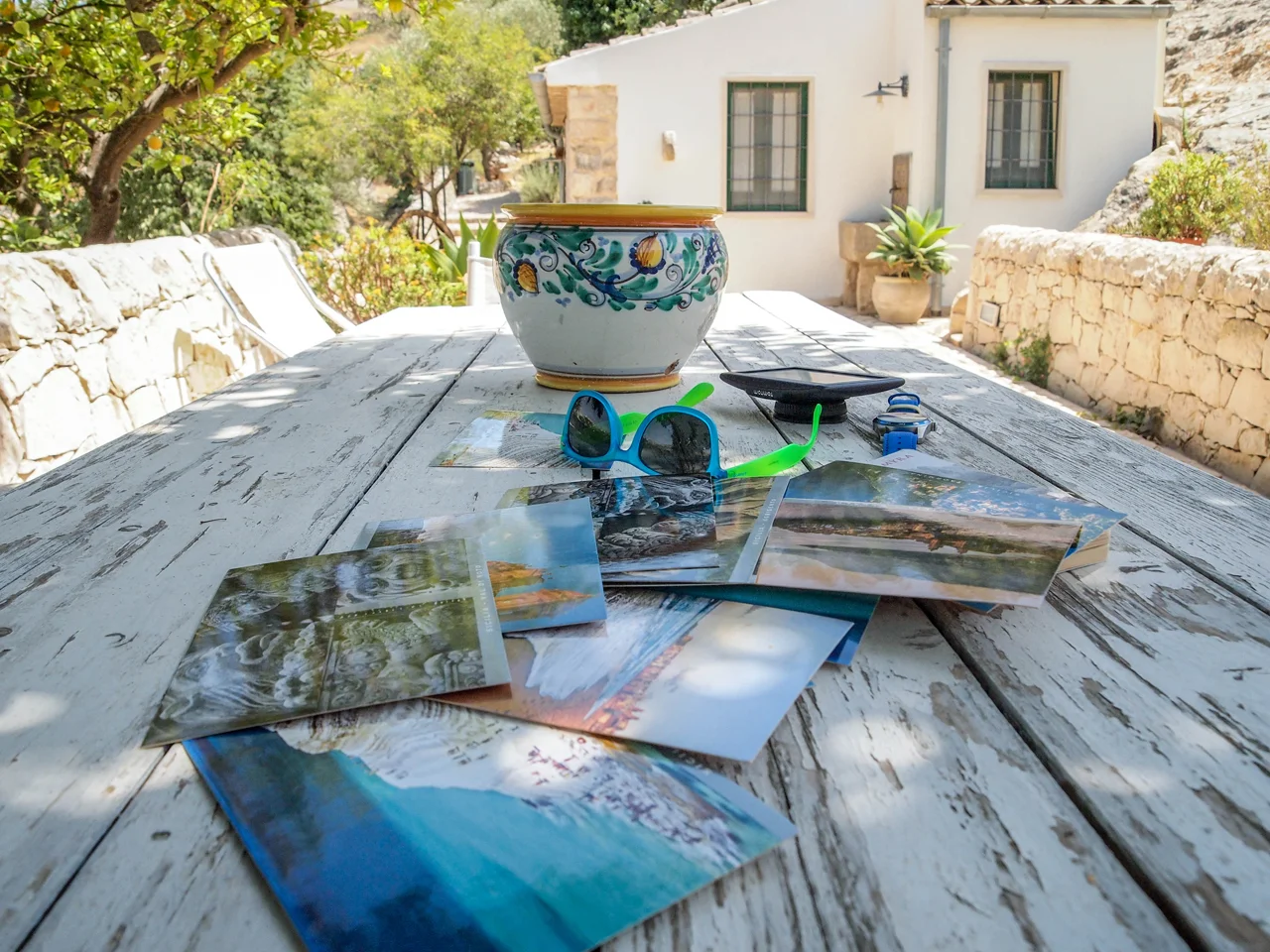
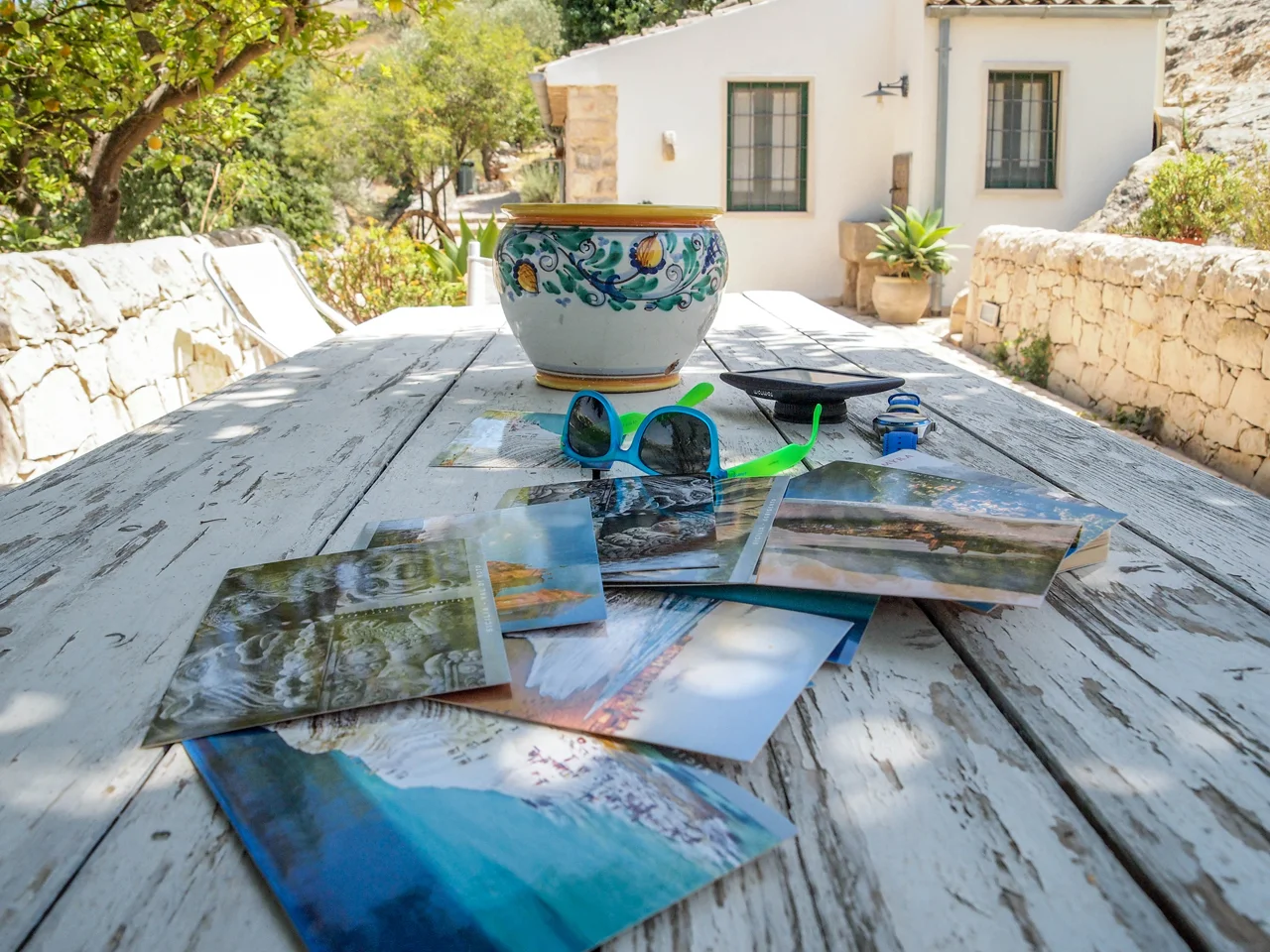
Some old school postcard writing in the shades!

Some old school postcard writing in the shades!

Beautiful view of Modica

Beautiful view of Modica

There is one more thing Modica is known for, and it’s- chocolate!!!

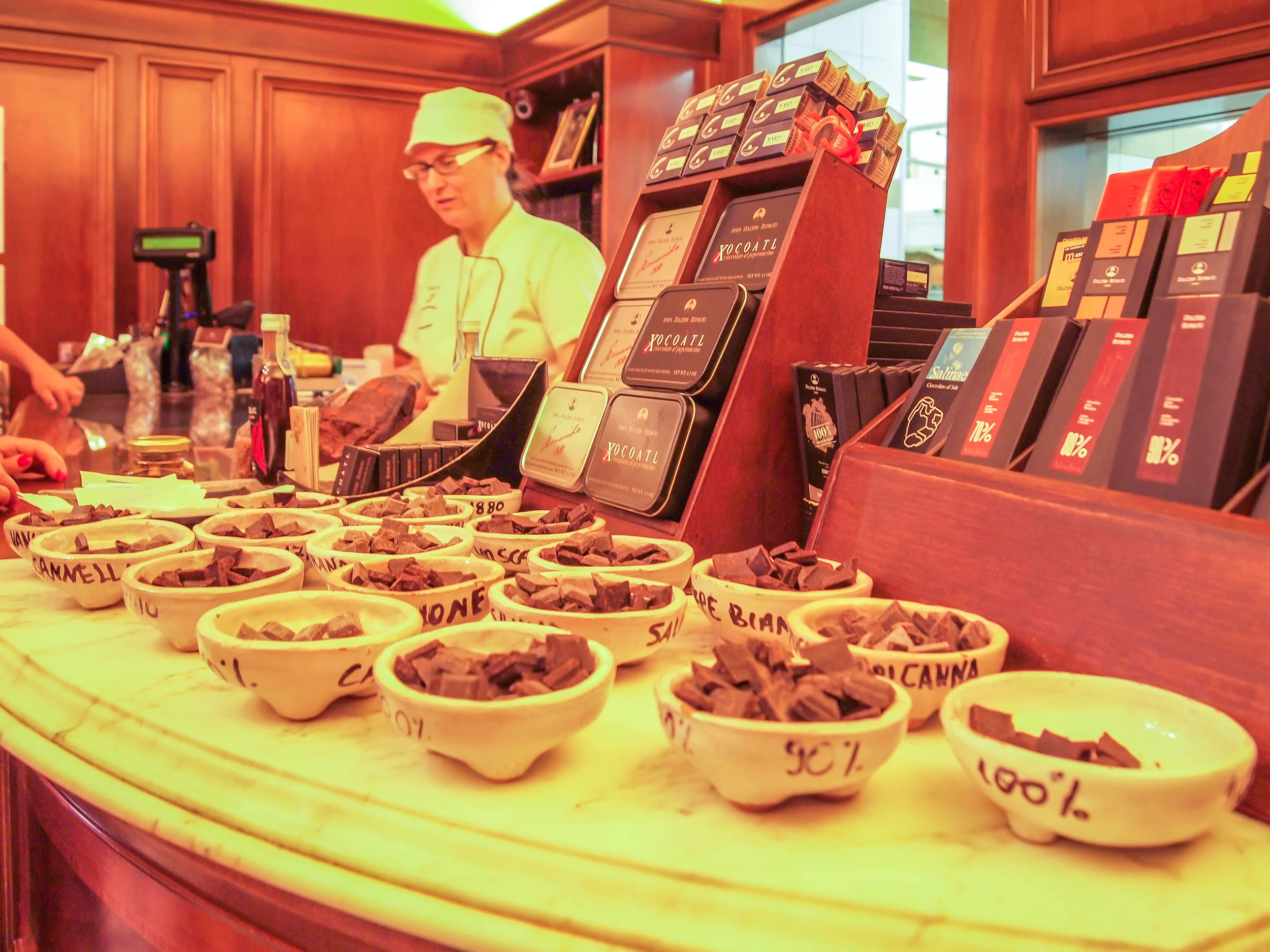
There are several chocolate makers in Modica, which use traditional Aztec recipes brought by Spaniards, but the one run by Bonajuto family is the most famous internationally. When in Modica, you shouldn’t miss dropping by their store where you can taste all of their peculiar (and delicious!) chocolate flavours- white pepper, salt, chilli, nutmeg, orange...

Chocolate tasting in Modica!

Chocolate tasting in Modica!

We didn’t bring only lemons home, of course- those chocolates were the most enthusiastically received souvenir that we brought from Sicily to our families and friends.

On the final part of our Sicilian trip we visited ancient Valle dei Templi in Agrigento, the town of ceramics called Sciacca, and quirky Palermo- you will be able to read all about it next week!

Till then, please share your favourite Sicilian experiences, I would love to hear them!


Numerous reasons to visit Sicily... anytime!

It was winter time when we booked the tickets for our honeymoon- it really didn’t take us long to choose the destination, because Sicily has it all: the culture, the sun, the food, the nature, the sea, the people, and as all islands, it is a bit edgy!

We wanted to experience a bit of everything, so we rented a car and circled around the island. Of course, that didn’t cover everything worth seeing, but I think that in the 10 days we spent there, we got to know the island pretty well.

Our first stop was the town of Cefalù, situated only an hour’s drive from Palermo. We liked Cefalù immediately, as it reminded us of Rovinj, our favourite Croatian coastal town. Many guides describe it as overcrowded with tourists, but we where there in June, and the atmosphere was laid back, with just the right amount of people for it not to be overcrowded nor empty.

Heading to morning dip in the sea, Cefalù

Heading to morning dip in the sea, Cefalù

Charming streets of Cefalù

Charming streets of Cefalù

Wandering through the streets of Cefalù

Wandering through the streets of Cefalù

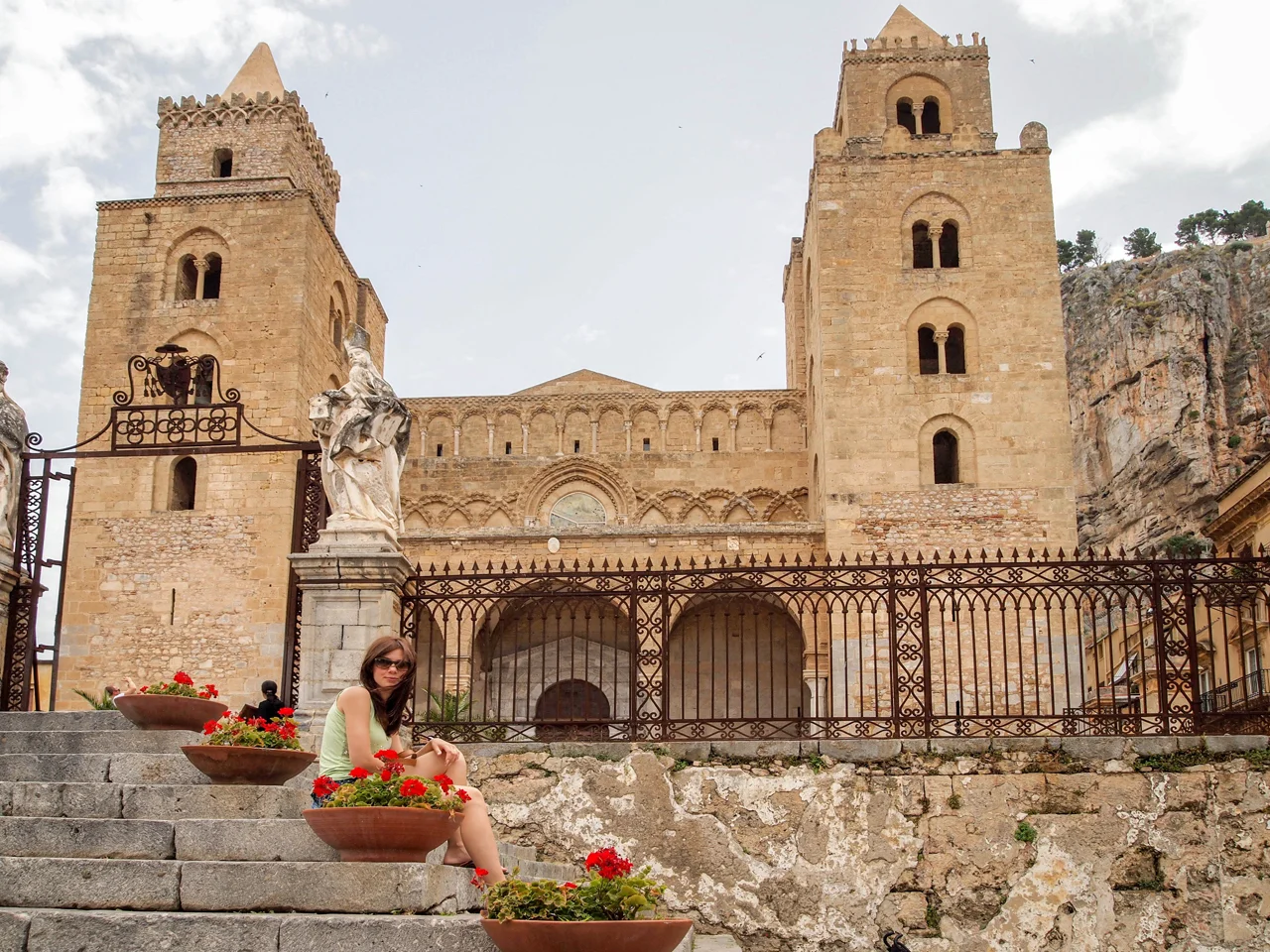
Cefalù is a medieval town with narrow cobbled streets, little shops, a long sandy beach, a stunning Norman cathedral, and all of that in the shadow of a steep rock! According to local legend, king Roger II of Sicily erected the church as a vow after escaping the storm safely and landing on the shore of Cefalù.

Norman cathedral of Cefalù

Norman cathedral of Cefalù

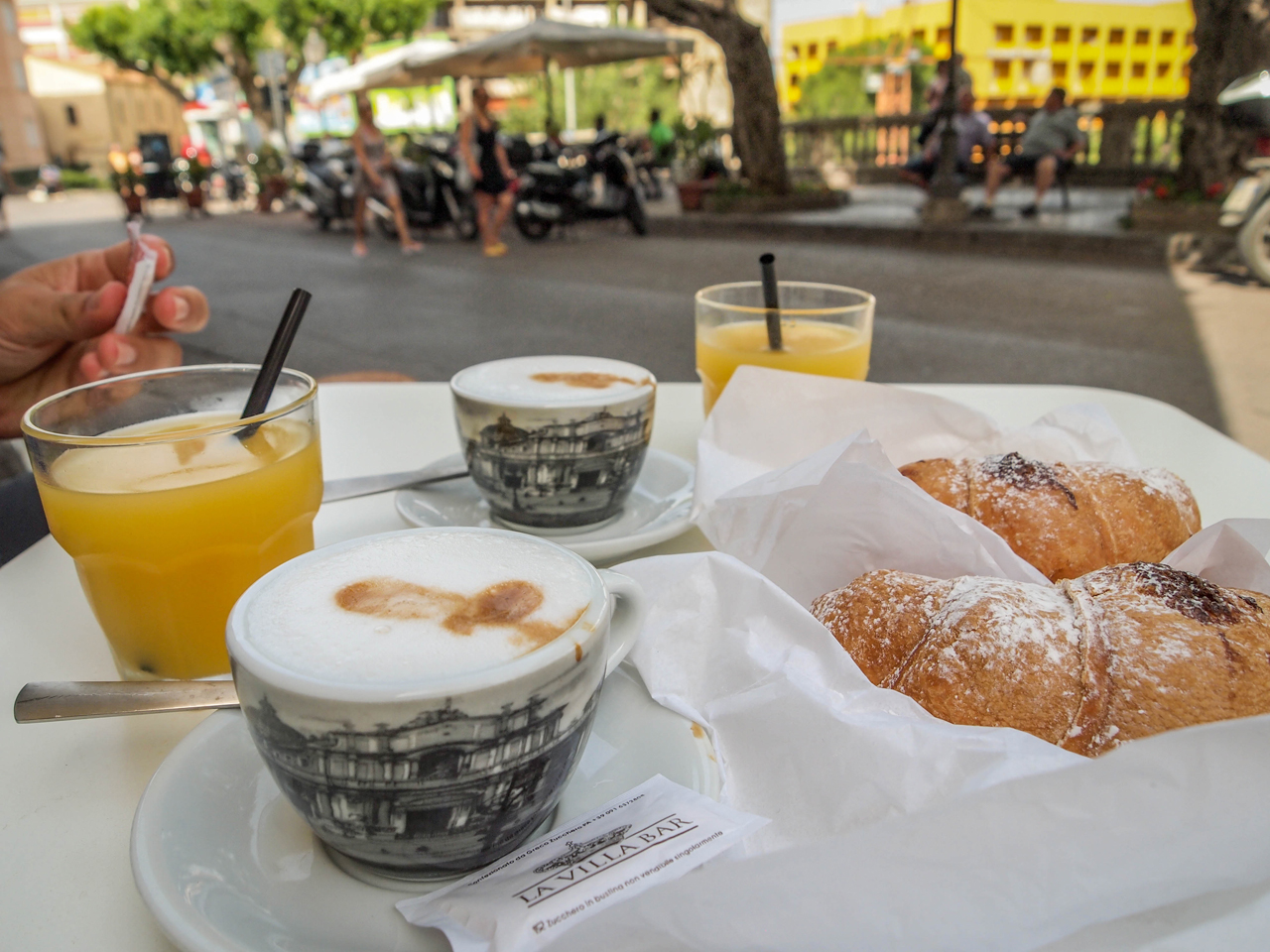
We had Sicilian specialties for dinner, drinks with the night view of the cathedral, early morning dip in the sea, croissants, juice and ice cream for breakfast, our first encounter with flat peaches called tabachera (translated: ashtray!!) and a nice walk through its colourful streets. And because we’re in Italy, we even tried a capuccino (we normally don’t drink coffee), but ended up just eating the milk foam from the top! :D Just what we needed on the first day of our well deserved holiday after the wedding!

Our first Sicilian breakfast and an attempt to drink coffee :)

Our first Sicilian breakfast and an attempt to drink coffee :)

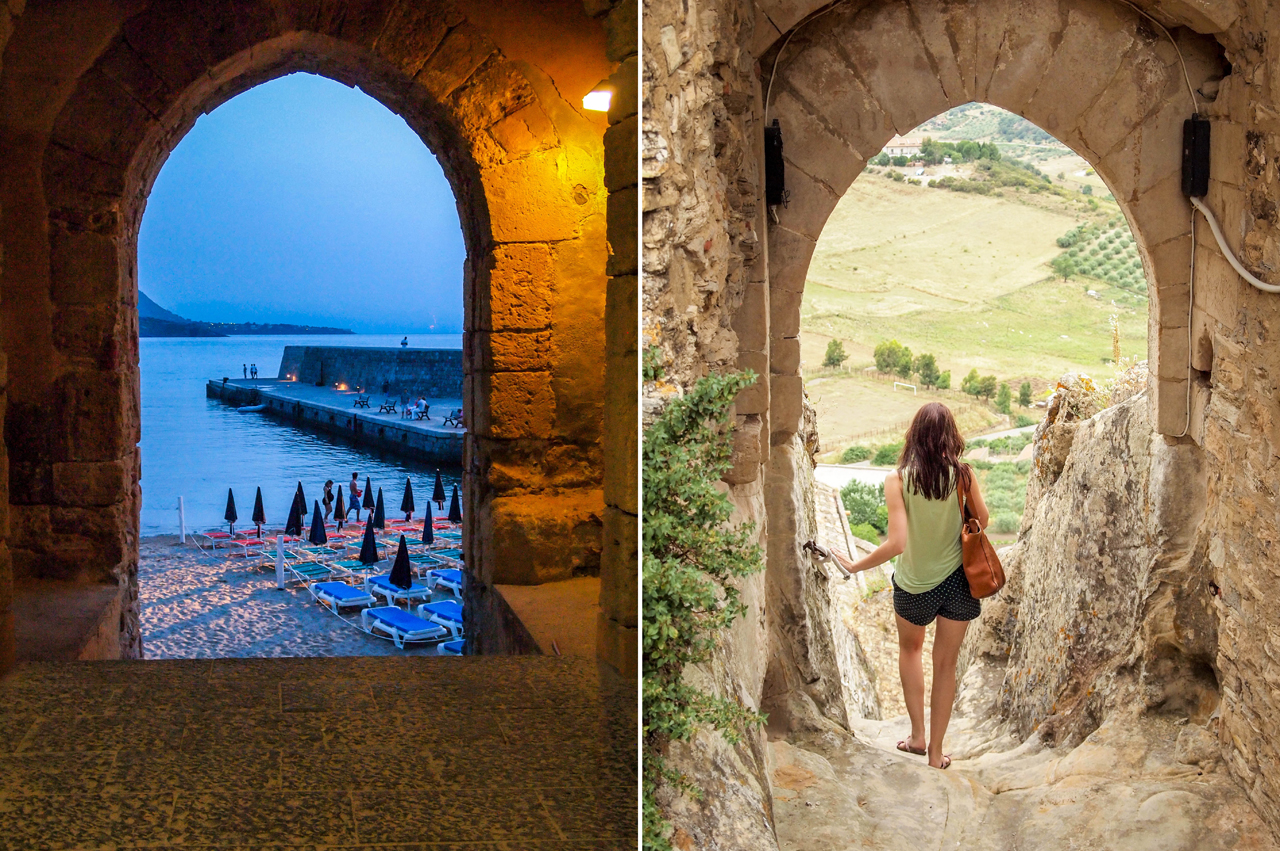
Dusk in Cefalu and the next morning in Sperlinga

Dusk in Cefalu and the next morning in Sperlinga

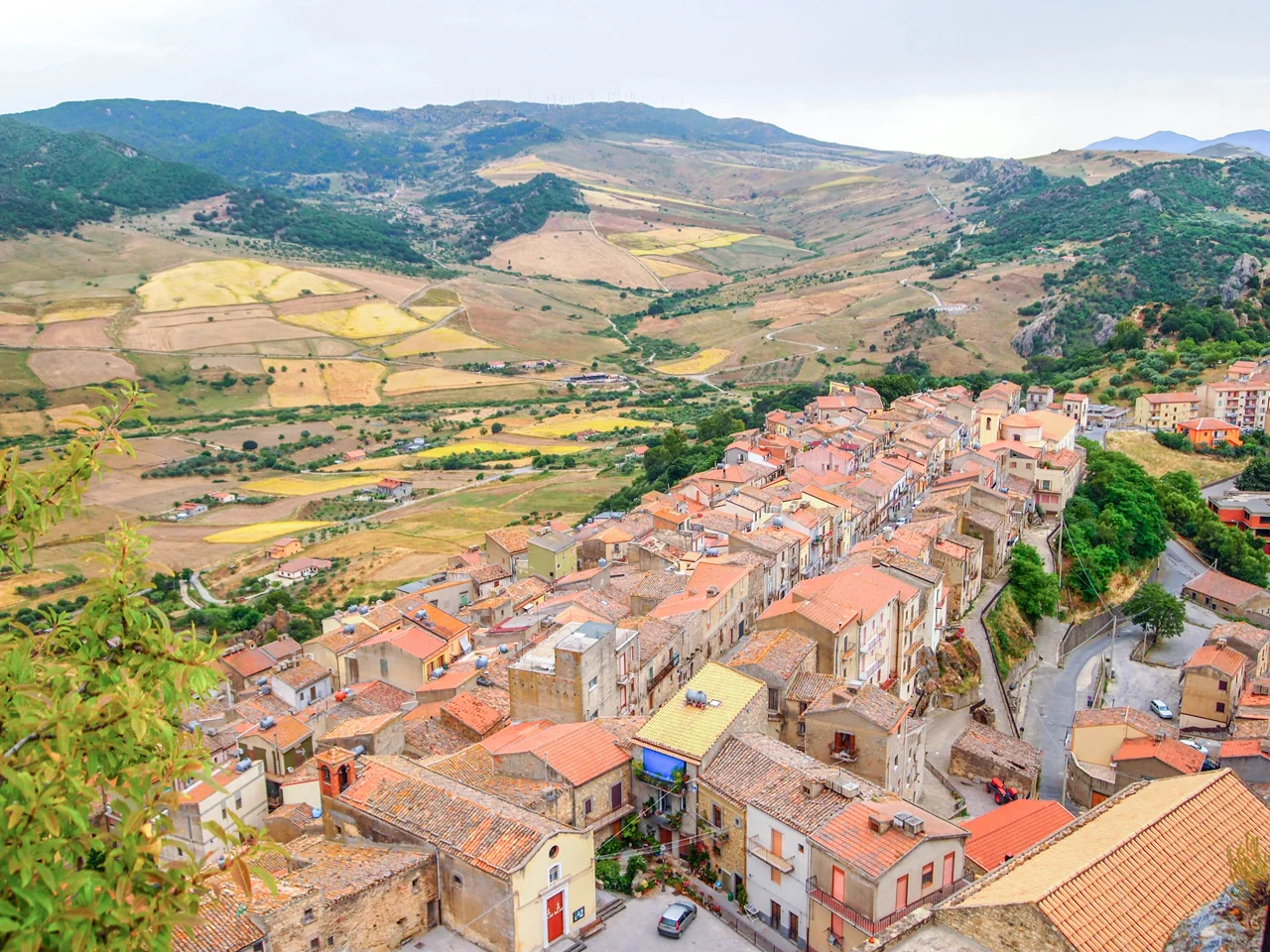
The next day, we wanted to explore a bit of the Sicilian countryside. So we did the opposite of what our host suggested, and took a longer, mountain road on the way to our next stop – Taormina. An hour’s drive from Cefalù, we found ourselves in the mountains, exploring the medieval hilltop town of Petralia Soprana and the prehistoric cave dwellings of Sperlinga. 

We expected this mountain towns to be abandoned and empty, and we were surprised to find them bursting with life! In Petralia, there was a group of majorettes practicing their performance on the main square, a group of Sicilian grandpas arguing with an officer about a parking spot, kids chasing each other through the streets... The entire town is built out of stone, and the view of the hilly countryside is beautiful!

A view of the hilltop town of Petralia Soprana

A view of the hilltop town of Petralia Soprana

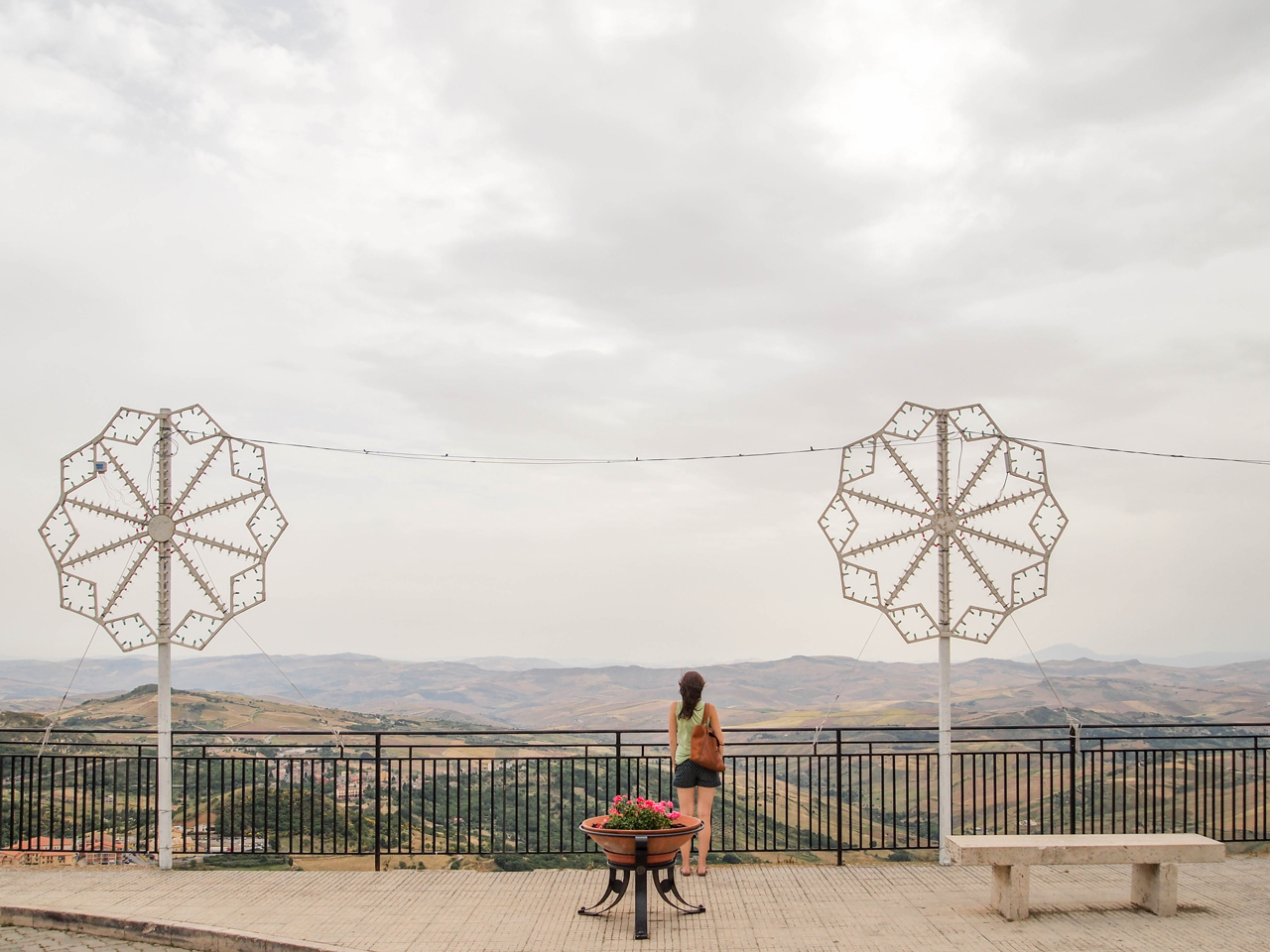
Enjoying the view from Petralia

Enjoying the view from Petralia

Main square of Petralia

Main square of Petralia

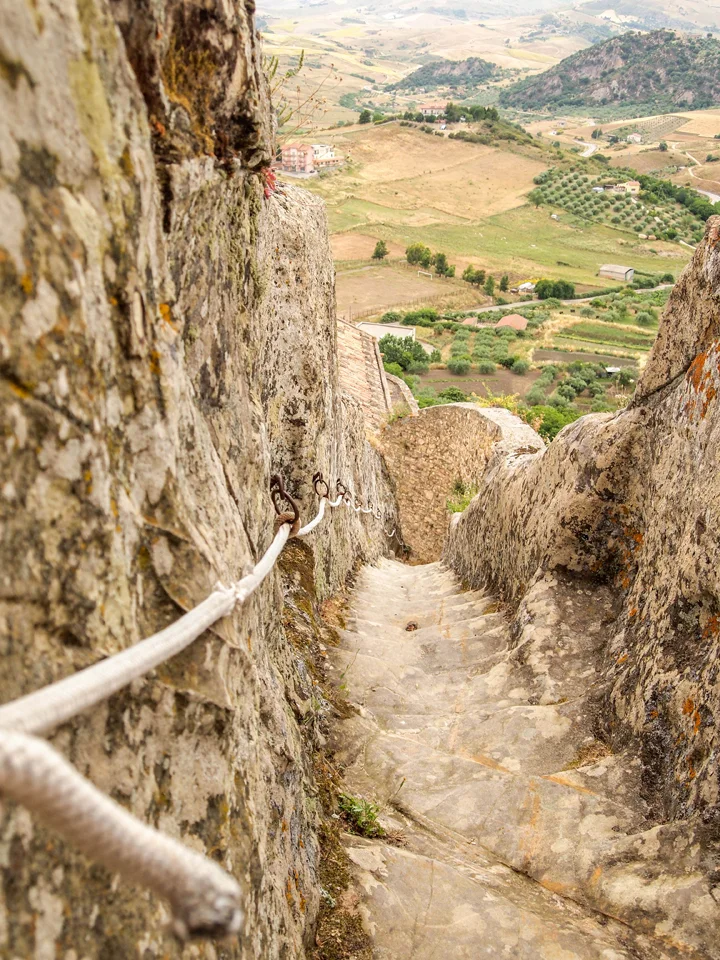
Both of the towns are obviously off the beaten path for tourists, and we were the only visitors of medieval fortress of Sperlinga. The fortress is situated on the steep rock above the town, and also above the honeycomb of caves inhabited already in prehistoric times. I am repeating myself here, but the view from the fortress is amazing, and really worth climbing up!

Colorful town of Sperlinga and its surroundings

Colorful town of Sperlinga and its surroundings

Street scene in Sperlinga

Street scene in Sperlinga

Medieval fortress of Sperlinga

Medieval fortress of Sperlinga

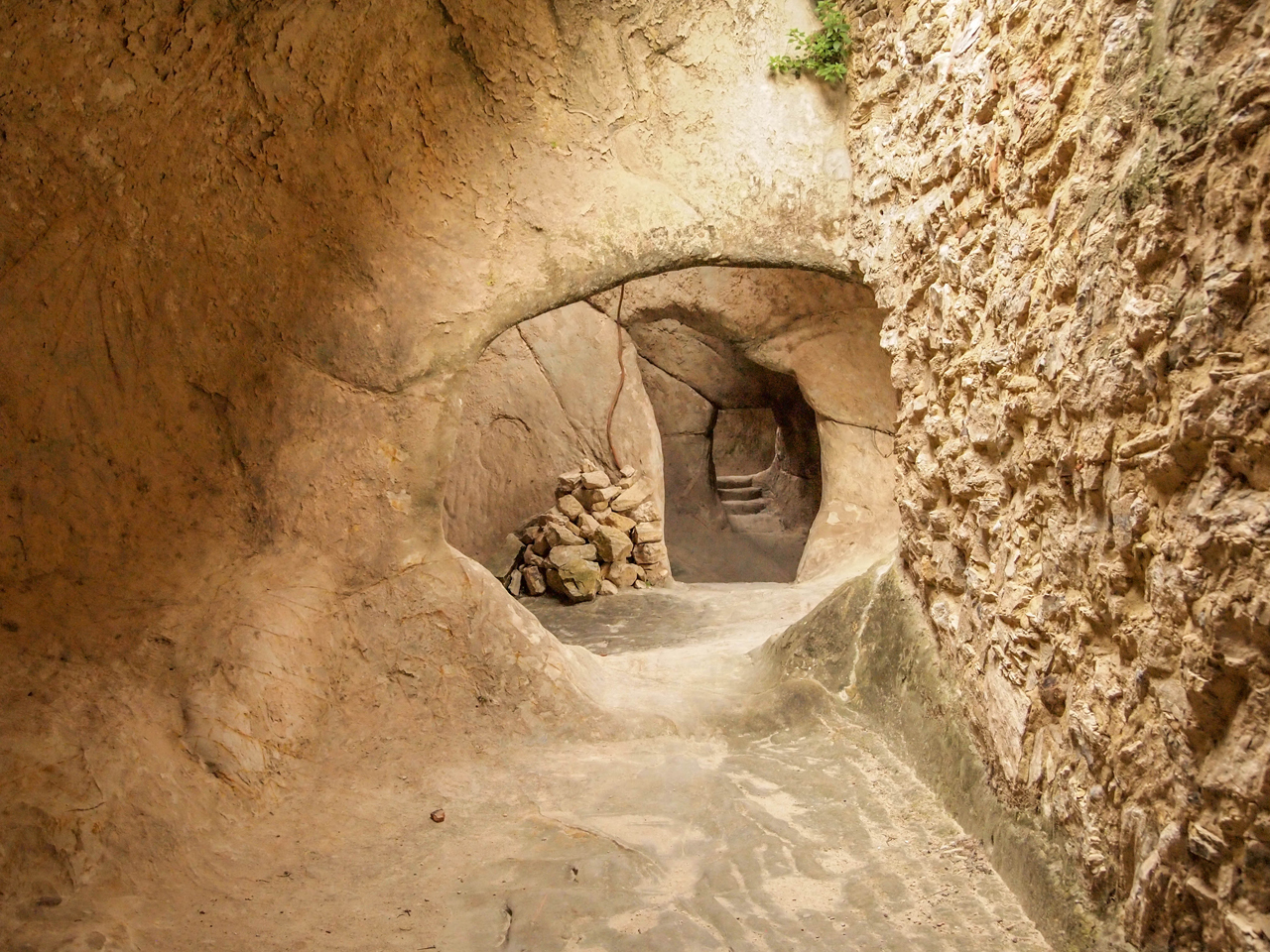
Cave dwellings of Sperlinga

Cave dwellings of Sperlinga

Houses carved in stone in Sperlinga

Houses carved in stone in Sperlinga

We had a delicious 3 hour long lunch at a farm near Petralia, and I will write about it in a special post dedicated to the best Sicilian restaurants we tried. I'll just say that every course was prepared from scratch just for us and that I was greeted with a hug from the nonna!

A 3 hour long lunch on the farm restaurant A Fuoco Lento near Petralia

A 3 hour long lunch on the farm restaurant A Fuoco Lento near Petralia

Everything you see is 100% local and homemade, yum!

Everything you see is 100% local and homemade, yum!

We arrived to Taormina by night, and our first impression was that it was too touristy, but spending a few days there, we actually got to truly like it! When lots of people are coming to visit, there must be something worth seeing, right?

Stunning view of Taormina

Stunning view of Taormina

No one can deny the beauty of this town above the sea covered in magenta bougainvillea blossoms. Our apartment was located on the main street, and had a cute little balcony overlooking the sea – for breakfast, we would enjoy the fresh fruits and the sea view, for dinner a glass of wine with olives and cheese – accompanied by jealous looks from the passers-by.

Our nice little balcony overlooking the main street and the sea! Breakfast on the table!

Our nice little balcony overlooking the main street and the sea! Breakfast on the table!

Taormina is known for its impressive Greek theatre, dating back to the 7th century BC, where concerts are held even today – the atmosphere must be something special! The beach below the town is connected with the town by cable car, so we had to try it out. Unfortunately, the sea was full of jellyfish, so we only dared to dip our feet in the shallow water.

Greek theatre of Taormina

Greek theatre of Taormina

A beach below Taormina

A beach below Taormina

Giardino pubblico in Taormina- bougainvillea blossoms everywhere!

Giardino pubblico in Taormina- bougainvillea blossoms everywhere!

By night, there is a vibrant atmosphere in the town – all of the restaurants are full, the shops open, the main street and the square full of people enjoying a typical Italian custom – the passegiata! Paseggiata is an evening ritual for Italians, where the locals take a walk on the main street, meeting friends or acquaintances, drinking a glass of wine and observing the passers-by. They even have a special greeting for it: Buona passegiata!

Evening paseggiata in Taormina

Evening paseggiata in Taormina

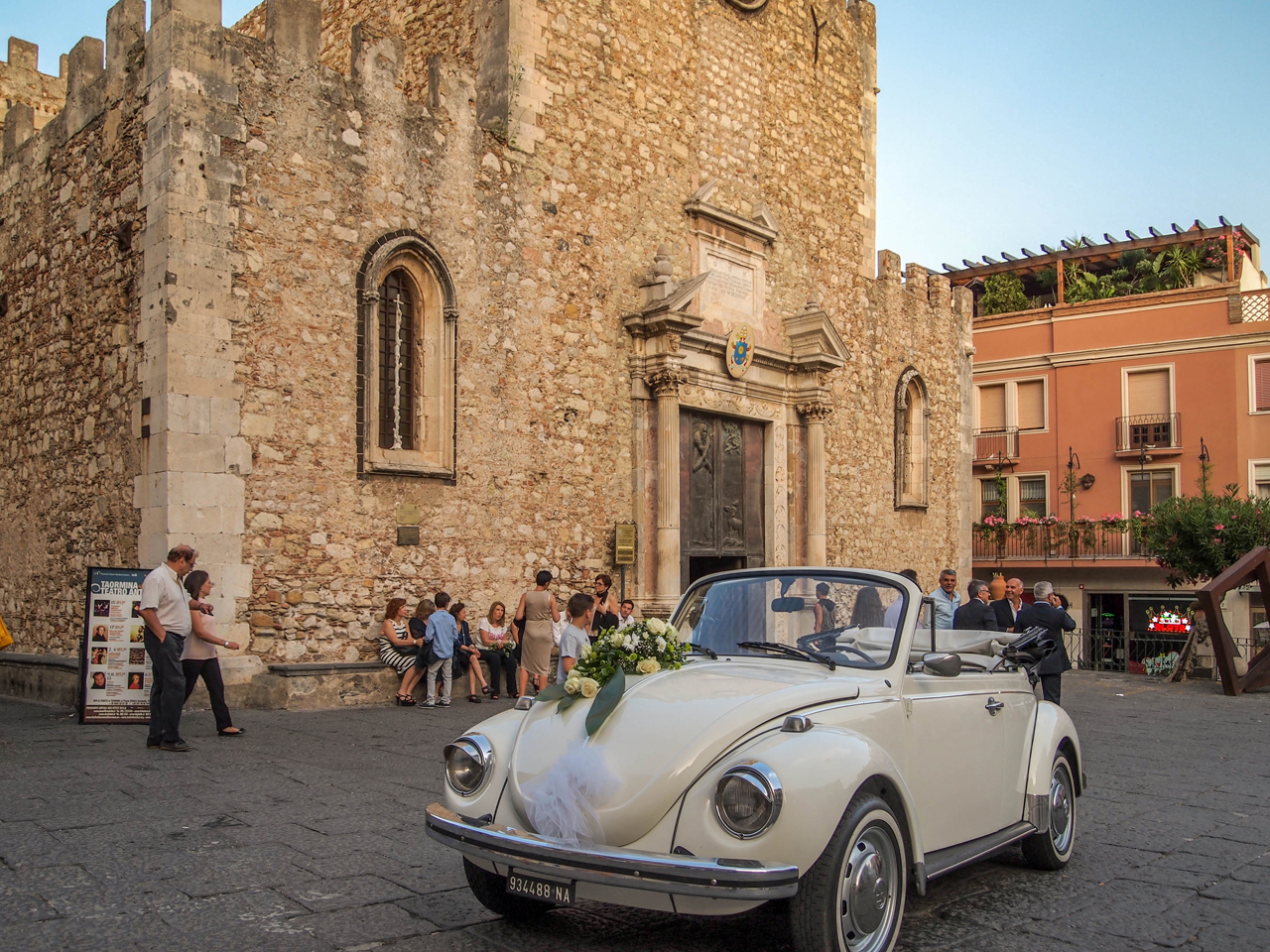
Taormina-Sicilian-Wedding

Next stop in our Sicilian adventure was Mount Etna, and you can read all about it in the next blog post!

I would love to hear some of your Sicilian experiences and ideas!


Beautiful landscapes: Cape Kamenjak, Istria

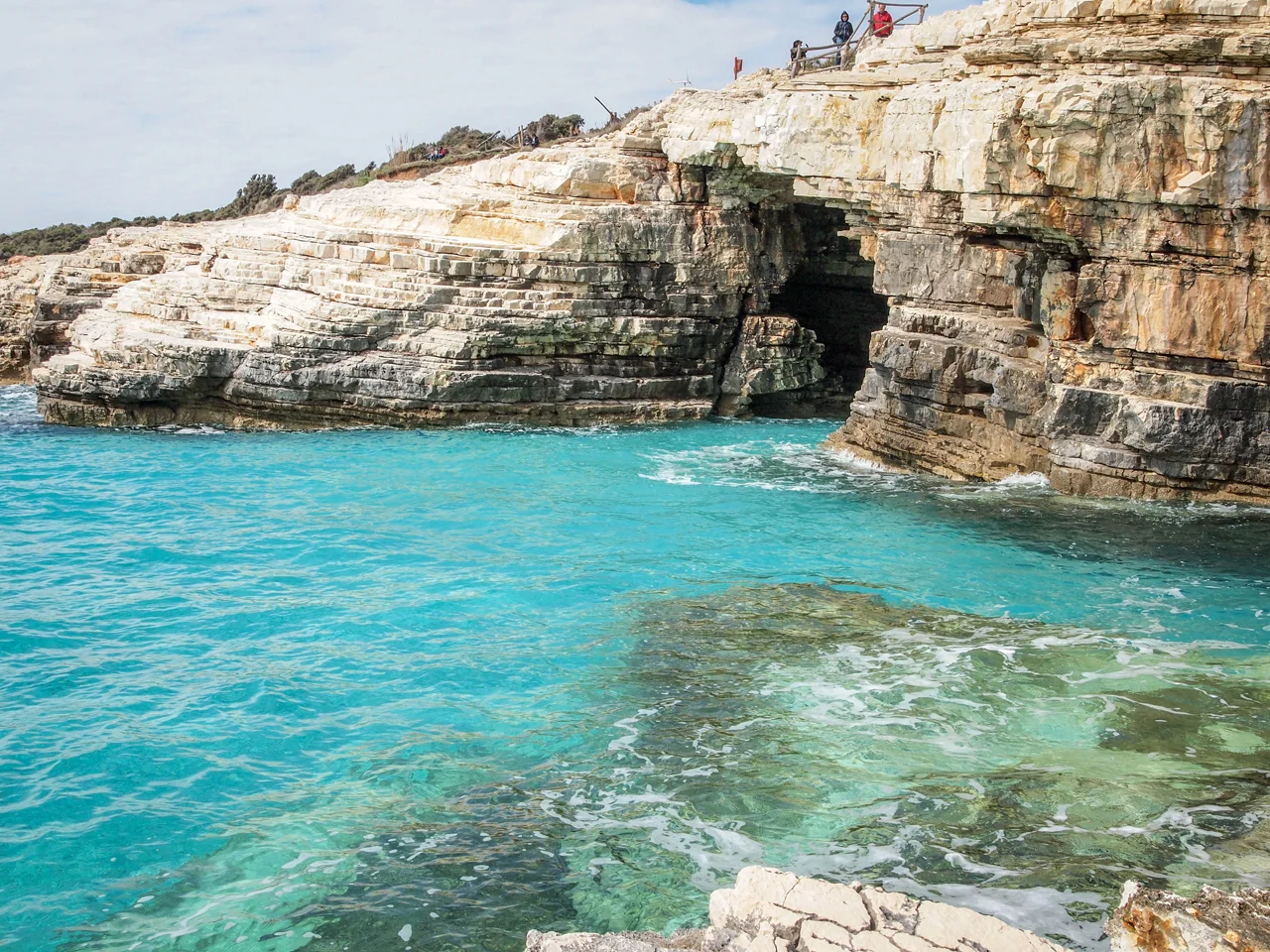
Cape Kamenjak is the southernmost point of the Istrian Peninsula, but also the protected landscape with numerous bays, crystal clear sea, steep rocks, lovely pebble beaches, rare plant and butterfly species, scented pine woods and a web of walking and cycling trails. 

It is busy and vibrant in the summer months, desolated and wild in the winter months, but always captures you with its simple natural beauty!

Only a 15 minutes drive from the city of Pula, it is beloved destination among nature lovers, cyclists, joggers, wind and kite surfers (actually, Cape Kamenjak is a No.1 surfing destination in Croatia thanks to the strong winds and protected shore), photographers, and tourists (in the summer months, when everyone can find a perfect beach to spend a day on- pebbles, smooth rocks, sand, even a cave, surrounded by pine trees and their refreshing shade).

Its lovely shores are also frequently visited by the rare mammal of our sea- Mediterranean Monk Seal.

Regardless of the fact that I call this place my second home, it is one of the most beautiful landscapes I have ever seen.

Cape-Kamenjak-Istria
Kamenjak-Istria-Beach
Adriatic-Sea-Istria
Cape-Kamenjak-Nature
Cape-Kamenjak-Spring
Cape-Kamenjak-Sea
Porer-Lighthouse
Cape-Kamenjak-Njive
Cape-Kamenjak-Animal-Life
Cape-Kamenjak-Sealife
Grasshoppers
Lihthouse-Porer
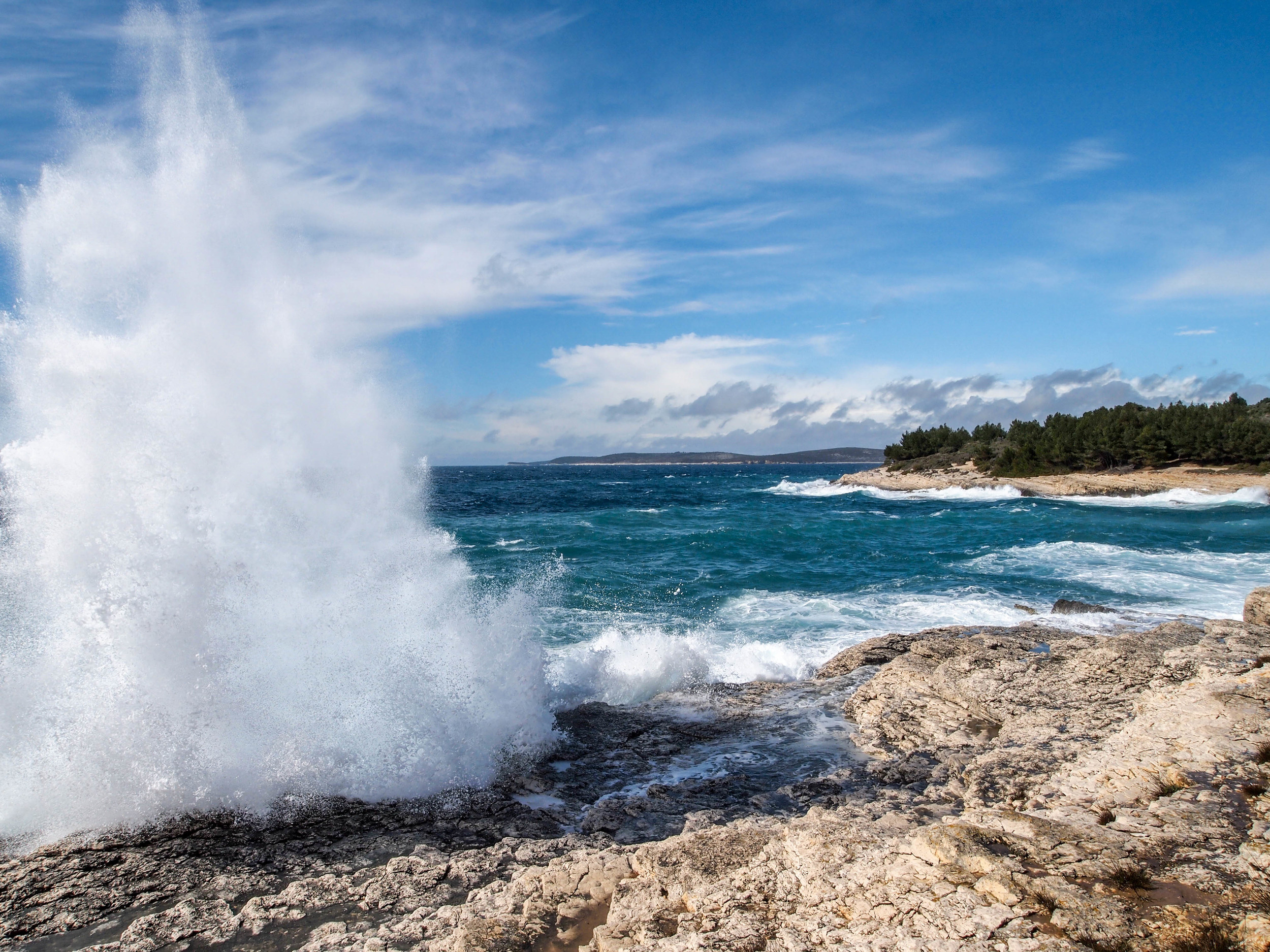
Cape-Kamenjak-Big-Waves
Kamenjak-Beach
Cape-Kamenjak-Landscape
Cape-Kamenjak-Pines
Cape-Kamenjak-Cave
Mediterranean-Monk-Seal
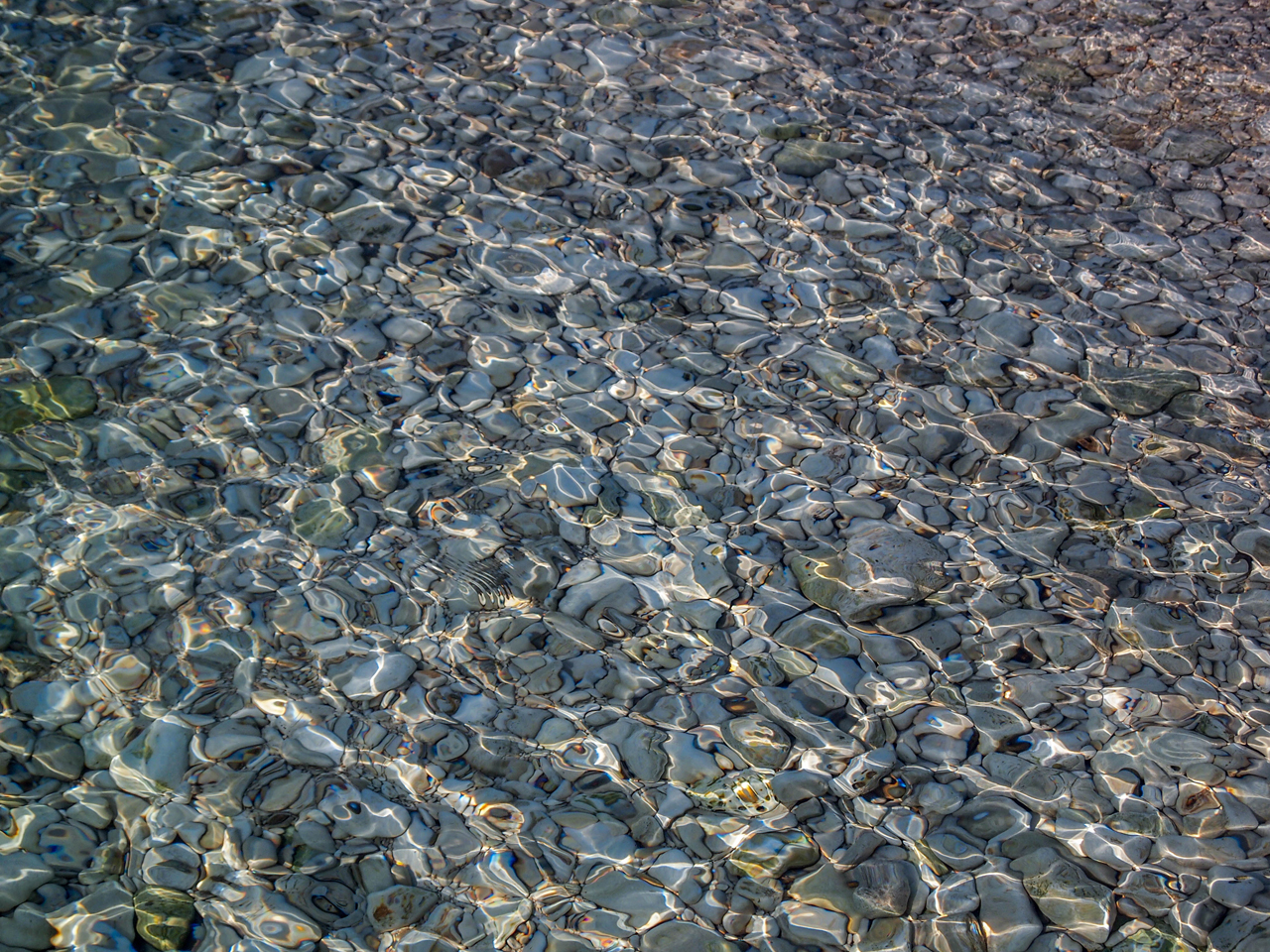
Cape-Kamenjak-Pebbles

Summer in Central Istria

During our holiday vacation in Pula in August, we decided to skip the beach for a day and explore how summer in central Istria looks like. Starting from Pula, our first stop was Sv. Petar u Šumi ( literally- St Peter in the Woods :) ).

Lovely square in front of the church, Sv Petar u Sumi

Lovely square in front of the church, Sv Petar u Sumi

The 18th century church of St Peter and Paul along with the 15th century Pauline monastery attracted us to visit this place. It was around noon and the village was empty, except for the waiter in the local bar and a few cats resting in the shades. We were happy to discover that both the church and the monastery cloister were opened. Initially a Romanesque complex, the church was rebuilt in mid-18th century with a narrow, tall facade pierced with niches that hold the saints, characteristic for Pauline architecture of that time. 

sv-petar-2slike.jpg

The Romanesque cloister of the monastery is a hidden gem with its elegant arcades surrounding a small interior open space with well. We enjoyed quietness, whiteness and cleanness of that place, sitting in a tree shade on the square in front of the church.

The romanesque cloister in Sv Petar u Sumi

The romanesque cloister in Sv Petar u Sumi

On our way to Pazin- the administrative seat of Istria County we stopped at Tinjan, the so-called „municipality of Istrian prosciutto“. Tinjan is such a charming and peaceful place- narrow streets with well restored houses and all sorts of plants in colourful pots in front of them, late-baroque church of St Simon and Judas Tadeus, a beautiful view spot of the green hills situated in the shade of a giant tree with an ancient municipality stone table...

Plants in colourful pots in Tinjan

Plants in colourful pots in Tinjan

The streets of Tinjan

The streets of Tinjan

Amazing view from Tinjan

Amazing view from Tinjan

Once in Pazin, we wanted to visit the Abyss of Pazin, which inspired the famous Jules Verne to write his novel „Mathias Sandorf“. An abyss is not what one would expect to see when visiting a center of the city! The stream which runs in the bottom of it is dry in the summer season, but the vegetation is green and lavish, and the path which leads you down and then up the steep hill makes a good recreation. There is a zip-line hanging over the abyss if you're into that kind of adrenalin fun!

A view of Pazin with its Abyss :)

A view of Pazin with its Abyss :)

Lavish greenery in the Abyss of Pazin

Lavish greenery in the Abyss of Pazin

After Pazin, we headed to the village of Kotli, beloved Istrian weekend destination, situated on the slopes of the river Mirna. The stream bed was again dry, which enabled us to walk through a part of it, and to make photos of the little pools of remaining water which held tadpoles and little water snakes. The restaurant on the river bank serves traditional, local dishes in abundant portions, so we enjoyed sausages, ombolo, sour cabbage and tasty rustic potatoes. It was so delicious, that we asked the waiter to pack us a doggy bag for later.  :)

Village-Kotli
Dry riverbed at the village of Kotli

Dry riverbed at the village of Kotli

All the narrow side roads which connect Istrian villages are so exciting to drive on, winding, empty, passing through beautiful nature (we even saw a deer!) and picturesque villages. 
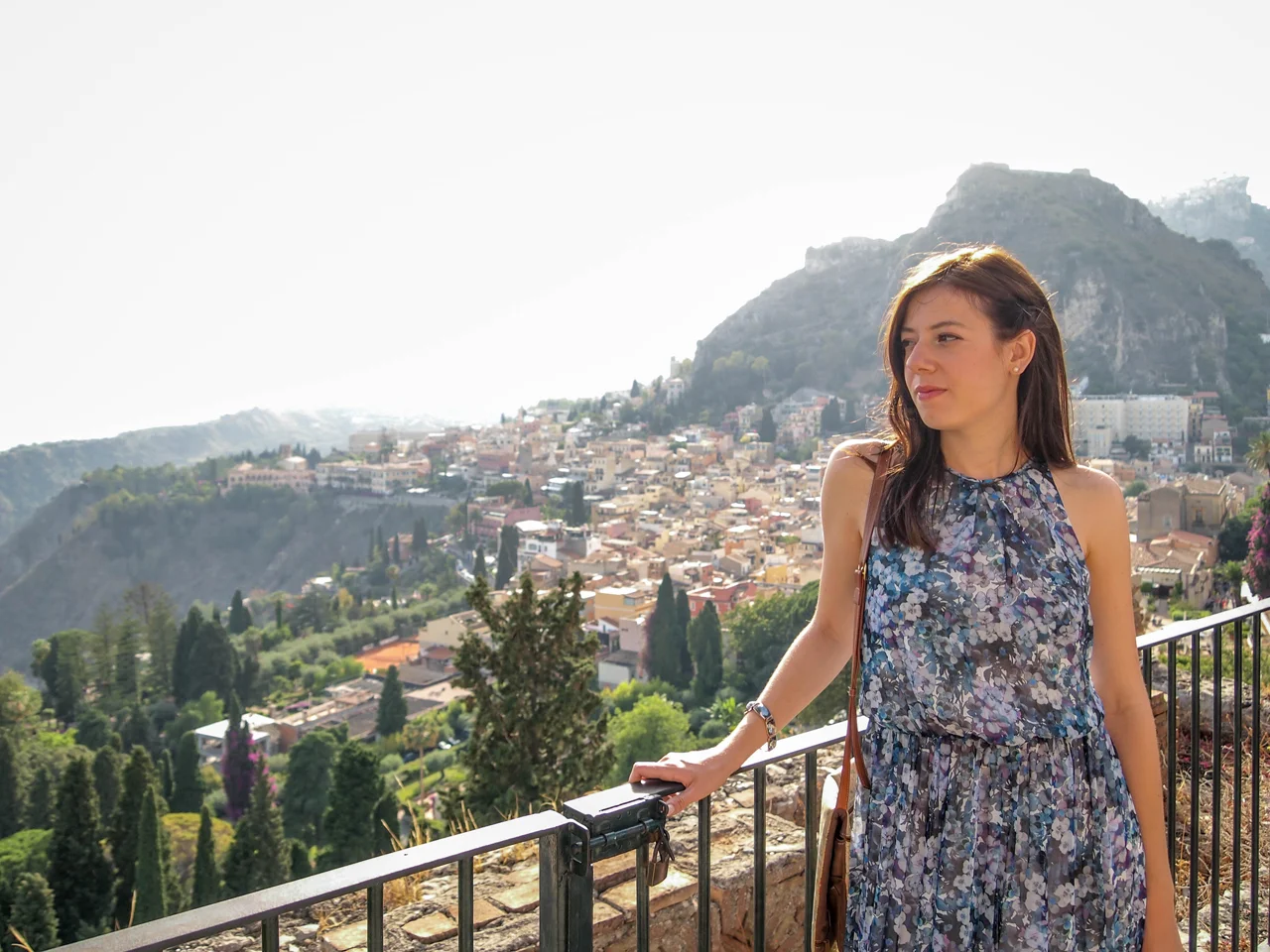
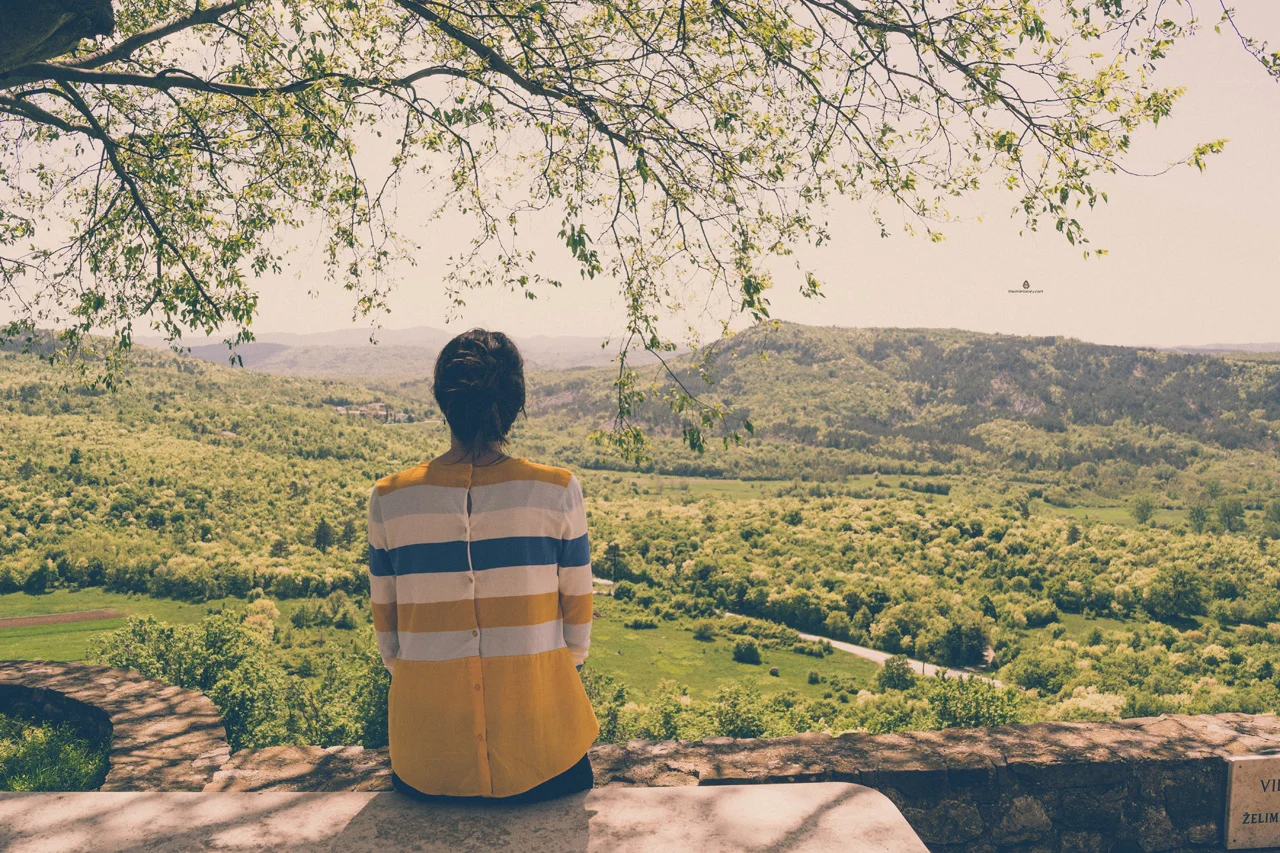
Heading back to Pula we passed by Draguć, whose name reminded me that there should be a church with Romanesque wall paintings (we learned about it in college). So we turned around to visit it, and it was a home run! The small hill town of Draguć is really worth seeing, with its stone paved streets filled with lazy cats, beautiful houses with flowers, spectacular view of the Istrian hills from the center of the town, and then at the end, a lawn with a tiny humble chapel, bathed in a mild sunset light, overlooking hilly Istrian countryside.

The chapel of St Rok, Draguc

The chapel of St Rok, Draguc

Unfortunately, the chapel was closed, but we peaked inside trough a small window, discovering it's truly magical interior- austere architecture filled from bottom to top with “medieval” frescos painted in 16th century. Sounds illogical, but local art in the provinces was always legging behind the main European streams!  It was a stunning scene, kept just for us, since we were there alone, enjoying that exquisite peace of art without a crowd of visitors or a limited visiting time. That reminded me of the Scrovegni chapel in Padua, painted by the great renaissance painter Giotto,where for the frescoes to be preserved, there is a max of 30 persons which can stay inside for 15 minutes to observe one of the world’s greatest pieces of art! 

The frescoes inside of the St Rok Chapel

The frescoes inside of the St Rok Chapel

It was a great end to a beautiful field trip, and there is so much more to Istrian countryside. So, when you're on Istrian coastline on holidays, it is worthwhile to take a day off the beach and discover that multitude of little hill towns, villages, local cuisine, wines and beautiful nature!