Beautiful landscapes: Cape Kamenjak, Istria

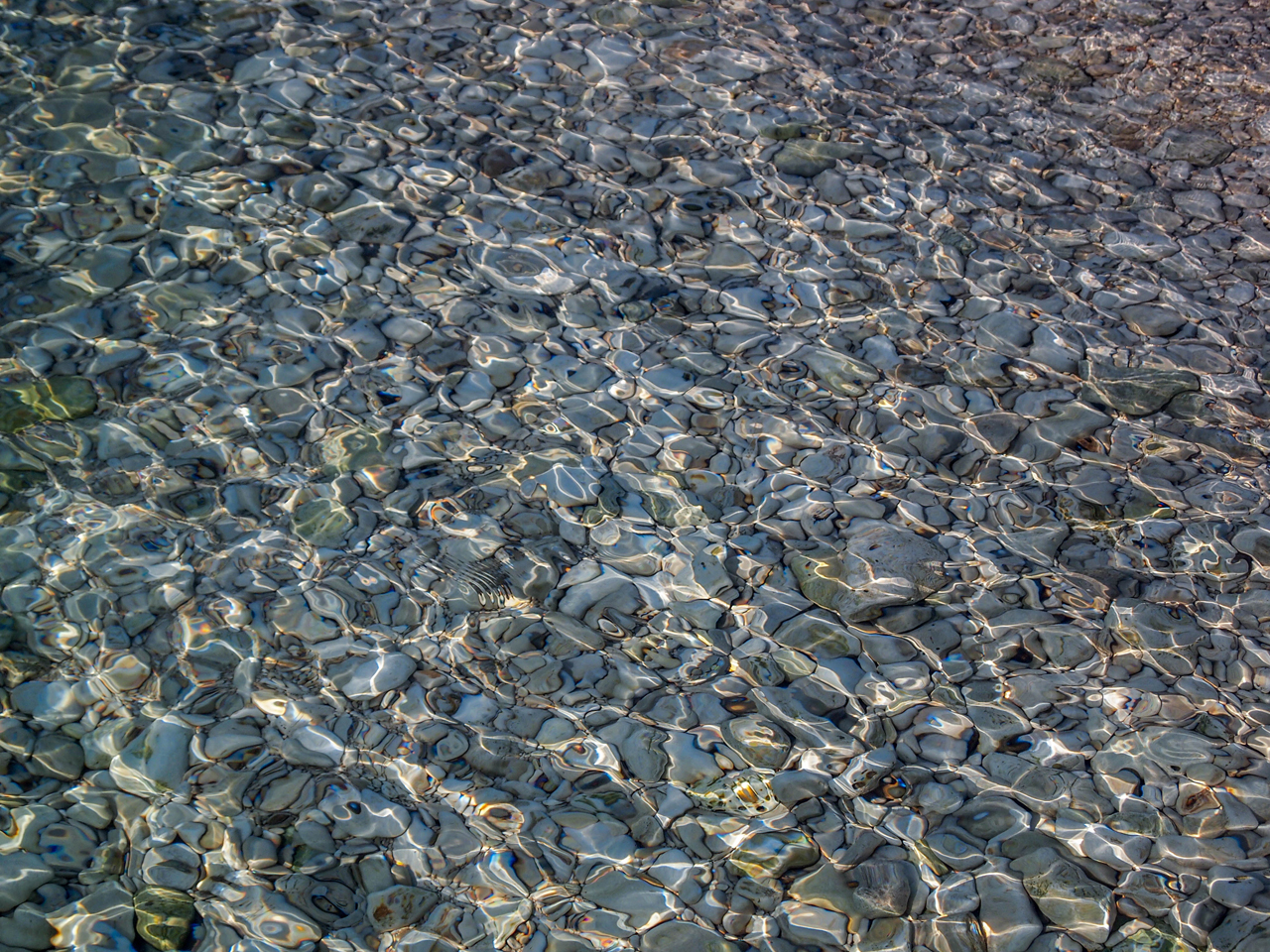
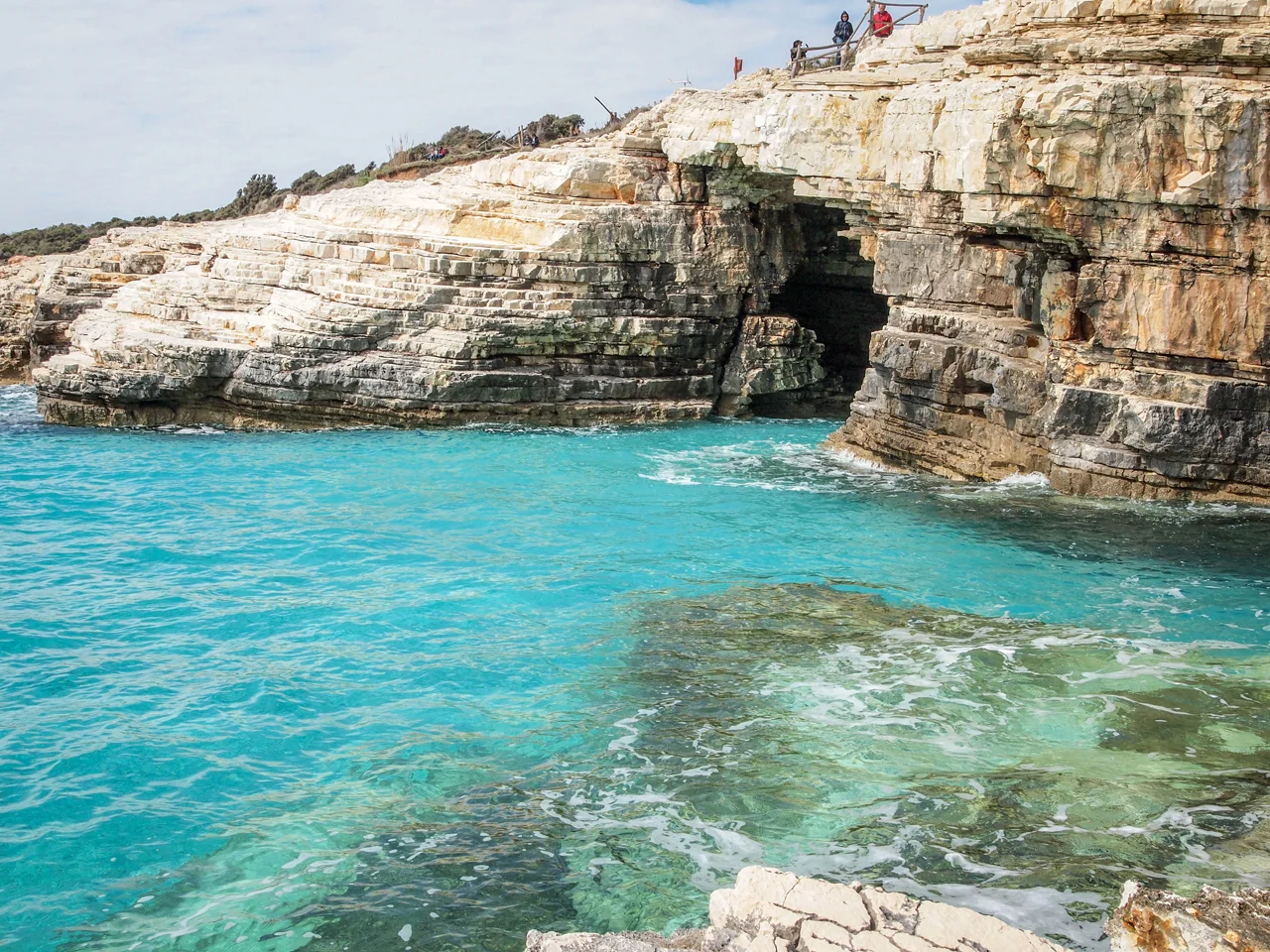
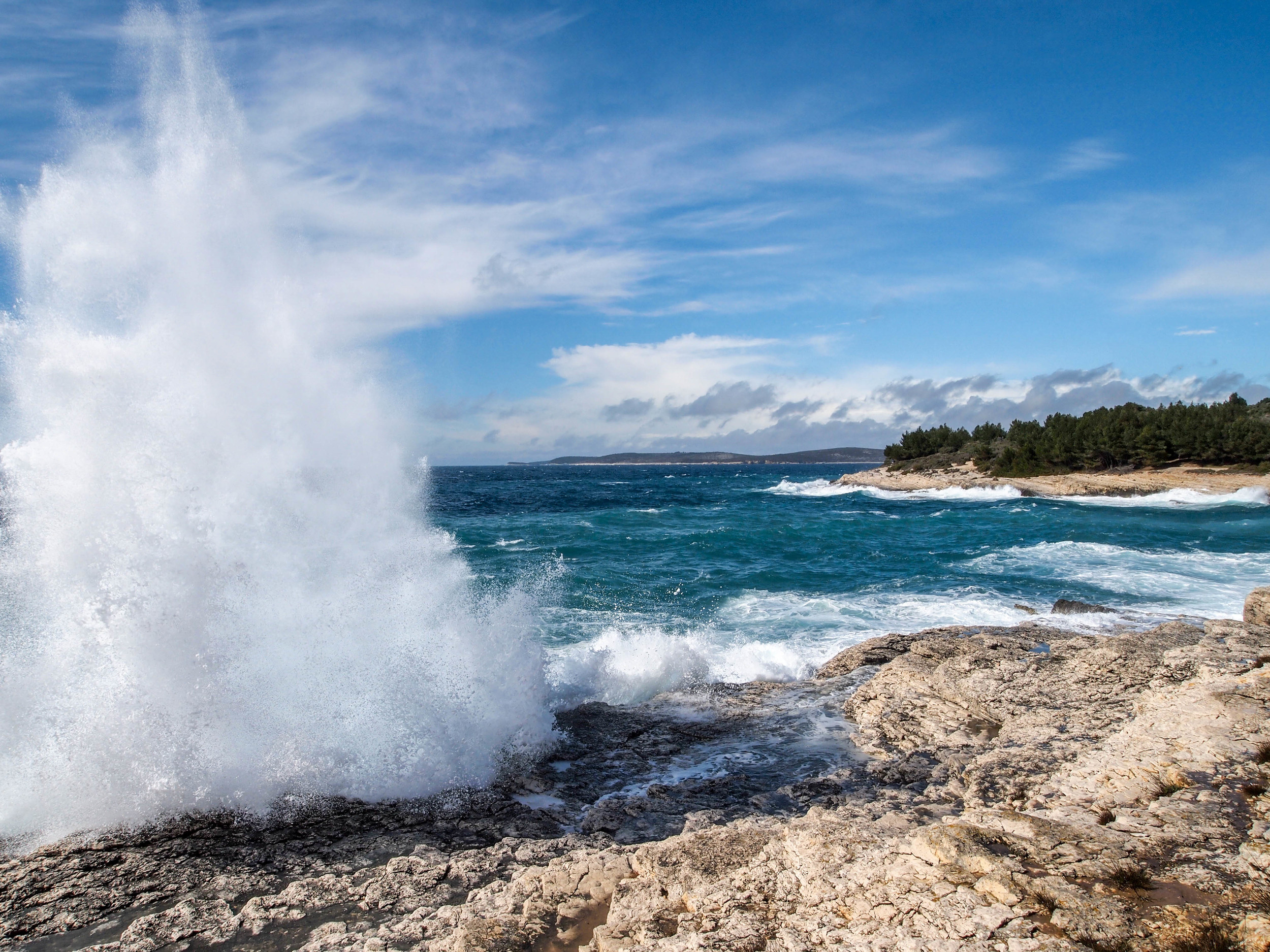
Cape Kamenjak is the southernmost point of the Istrian Peninsula, but also the protected landscape with numerous bays, crystal clear sea, steep rocks, lovely pebble beaches, rare plant and butterfly species, scented pine woods and a web of walking and cycling trails. 

It is busy and vibrant in the summer months, desolated and wild in the winter months, but always captures you with its simple natural beauty!

Only a 15 minutes drive from the city of Pula, it is beloved destination among nature lovers, cyclists, joggers, wind and kite surfers (actually, Cape Kamenjak is a No.1 surfing destination in Croatia thanks to the strong winds and protected shore), photographers, and tourists (in the summer months, when everyone can find a perfect beach to spend a day on- pebbles, smooth rocks, sand, even a cave, surrounded by pine trees and their refreshing shade).

Its lovely shores are also frequently visited by the rare mammal of our sea- Mediterranean Monk Seal.

Regardless of the fact that I call this place my second home, it is one of the most beautiful landscapes I have ever seen.

Cape-Kamenjak-Istria
Kamenjak-Istria-Beach
Adriatic-Sea-Istria
Cape-Kamenjak-Nature
Cape-Kamenjak-Spring
Cape-Kamenjak-Sea
Porer-Lighthouse
Cape-Kamenjak-Njive
Cape-Kamenjak-Animal-Life
Cape-Kamenjak-Sealife
Grasshoppers
Lihthouse-Porer
Cape-Kamenjak-Big-Waves
Kamenjak-Beach
Cape-Kamenjak-Landscape
Cape-Kamenjak-Pines
Cape-Kamenjak-Cave
Mediterranean-Monk-Seal
Cape-Kamenjak-Pebbles

Summer in Central Istria

During our holiday vacation in Pula in August, we decided to skip the beach for a day and explore how summer in central Istria looks like. Starting from Pula, our first stop was Sv. Petar u Šumi ( literally- St Peter in the Woods :) ).

Lovely square in front of the church, Sv Petar u Sumi

Lovely square in front of the church, Sv Petar u Sumi

The 18th century church of St Peter and Paul along with the 15th century Pauline monastery attracted us to visit this place. It was around noon and the village was empty, except for the waiter in the local bar and a few cats resting in the shades. We were happy to discover that both the church and the monastery cloister were opened. Initially a Romanesque complex, the church was rebuilt in mid-18th century with a narrow, tall facade pierced with niches that hold the saints, characteristic for Pauline architecture of that time. 

sv-petar-2slike.jpg

The Romanesque cloister of the monastery is a hidden gem with its elegant arcades surrounding a small interior open space with well. We enjoyed quietness, whiteness and cleanness of that place, sitting in a tree shade on the square in front of the church.

The romanesque cloister in Sv Petar u Sumi

The romanesque cloister in Sv Petar u Sumi

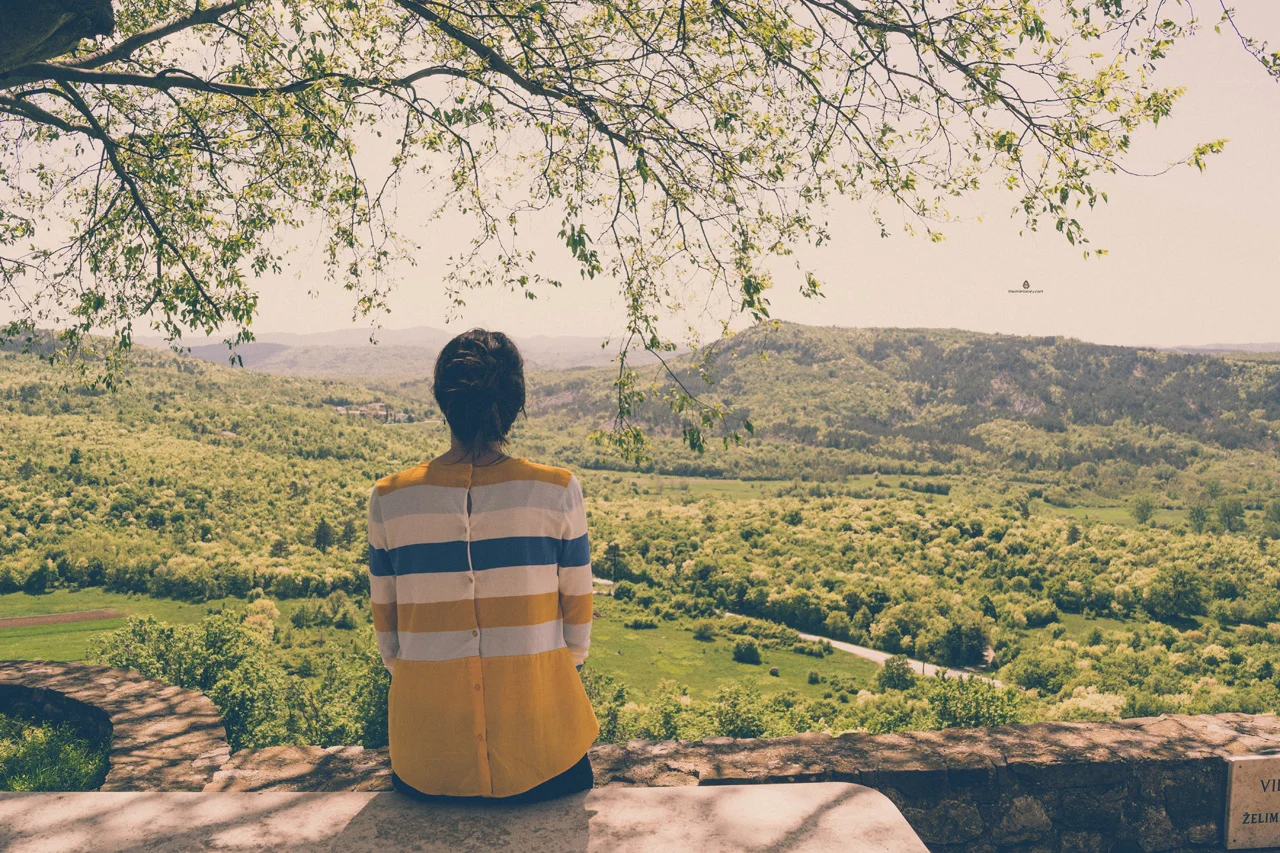
On our way to Pazin- the administrative seat of Istria County we stopped at Tinjan, the so-called „municipality of Istrian prosciutto“. Tinjan is such a charming and peaceful place- narrow streets with well restored houses and all sorts of plants in colourful pots in front of them, late-baroque church of St Simon and Judas Tadeus, a beautiful view spot of the green hills situated in the shade of a giant tree with an ancient municipality stone table...

Plants in colourful pots in Tinjan

Plants in colourful pots in Tinjan

The streets of Tinjan

The streets of Tinjan

Amazing view from Tinjan

Amazing view from Tinjan

Once in Pazin, we wanted to visit the Abyss of Pazin, which inspired the famous Jules Verne to write his novel „Mathias Sandorf“. An abyss is not what one would expect to see when visiting a center of the city! The stream which runs in the bottom of it is dry in the summer season, but the vegetation is green and lavish, and the path which leads you down and then up the steep hill makes a good recreation. There is a zip-line hanging over the abyss if you're into that kind of adrenalin fun!

A view of Pazin with its Abyss :)

A view of Pazin with its Abyss :)

Lavish greenery in the Abyss of Pazin

Lavish greenery in the Abyss of Pazin

After Pazin, we headed to the village of Kotli, beloved Istrian weekend destination, situated on the slopes of the river Mirna. The stream bed was again dry, which enabled us to walk through a part of it, and to make photos of the little pools of remaining water which held tadpoles and little water snakes. The restaurant on the river bank serves traditional, local dishes in abundant portions, so we enjoyed sausages, ombolo, sour cabbage and tasty rustic potatoes. It was so delicious, that we asked the waiter to pack us a doggy bag for later.  :)

Village-Kotli
Dry riverbed at the village of Kotli

Dry riverbed at the village of Kotli

All the narrow side roads which connect Istrian villages are so exciting to drive on, winding, empty, passing through beautiful nature (we even saw a deer!) and picturesque villages. 

Heading back to Pula we passed by Draguć, whose name reminded me that there should be a church with Romanesque wall paintings (we learned about it in college). So we turned around to visit it, and it was a home run! The small hill town of Draguć is really worth seeing, with its stone paved streets filled with lazy cats, beautiful houses with flowers, spectacular view of the Istrian hills from the center of the town, and then at the end, a lawn with a tiny humble chapel, bathed in a mild sunset light, overlooking hilly Istrian countryside.

The chapel of St Rok, Draguc

The chapel of St Rok, Draguc

Unfortunately, the chapel was closed, but we peaked inside trough a small window, discovering it's truly magical interior- austere architecture filled from bottom to top with “medieval” frescos painted in 16th century. Sounds illogical, but local art in the provinces was always legging behind the main European streams!  It was a stunning scene, kept just for us, since we were there alone, enjoying that exquisite peace of art without a crowd of visitors or a limited visiting time. That reminded me of the Scrovegni chapel in Padua, painted by the great renaissance painter Giotto,where for the frescoes to be preserved, there is a max of 30 persons which can stay inside for 15 minutes to observe one of the world’s greatest pieces of art! 

The frescoes inside of the St Rok Chapel

The frescoes inside of the St Rok Chapel

It was a great end to a beautiful field trip, and there is so much more to Istrian countryside. So, when you're on Istrian coastline on holidays, it is worthwhile to take a day off the beach and discover that multitude of little hill towns, villages, local cuisine, wines and beautiful nature!


Foodie destinations: Belgium

We wanted to get away for a few days in October, found a cheap flight to Belgium, and as my friend told me nice things about Bruges, we decided to give it a try.
It was a short, 3 nights stay, but we had a great time and fully enjoyed every aspect of it (cuisine, architecture, weather).

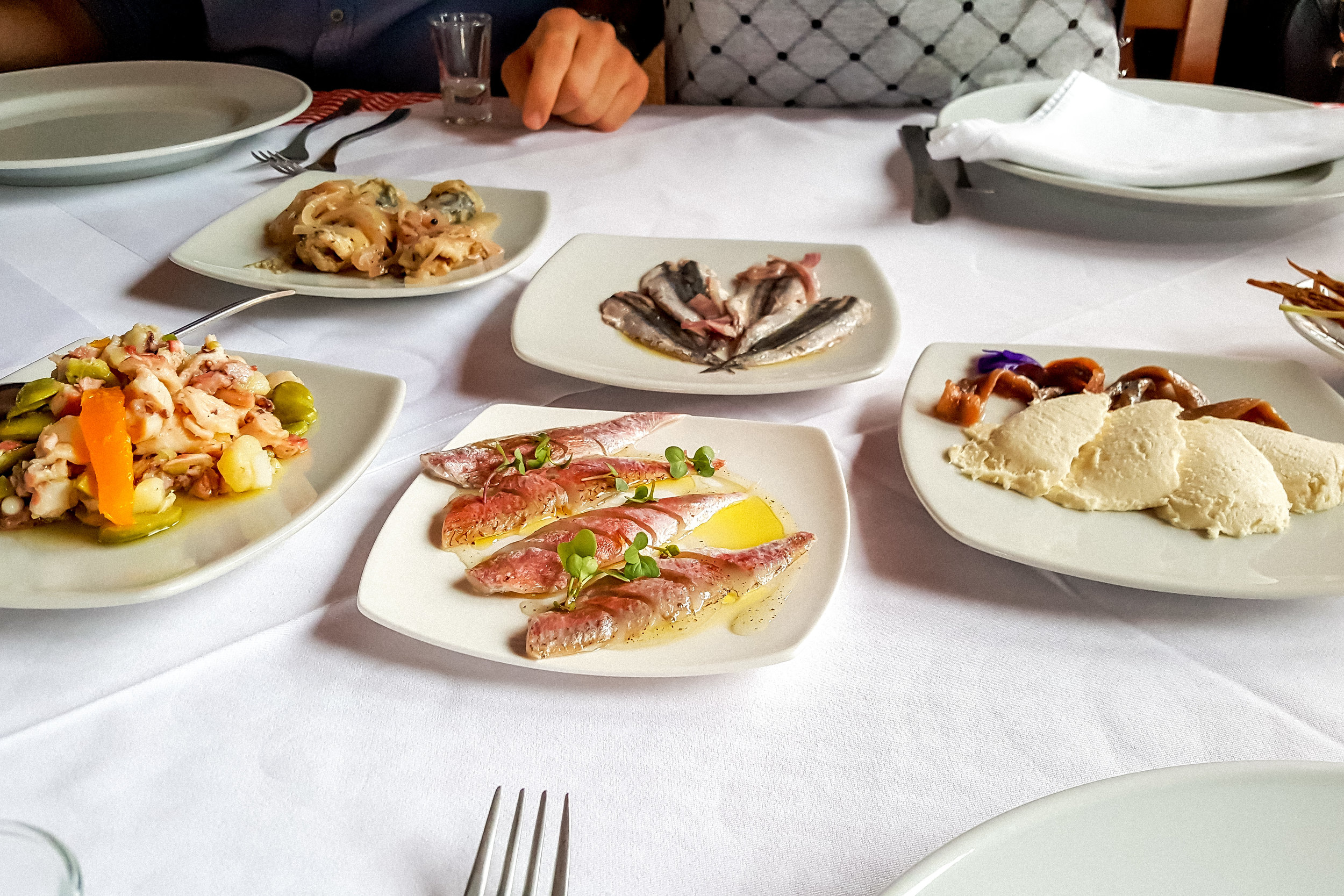
Delicious Belgian cuisine, a lunch in Bruges

Delicious Belgian cuisine, a lunch in Bruges

We stayed at a lovely B&B in Brussels (Uccle), where we enjoyed the tastefully furnished room (and the whole house!), delicious breakfast (which included fresh strawberries, freshly pressed orange juice, some really crunchy baguettes, and sweet jams), and our new pet friend- a 3 months old, extremely cute, teddy bear lookalike and playful Scottish fold kitten. 

Our cozy room in Uccle

Our cozy room in Uccle

Our new friend- the cutest Scottish fold kitten :)

Our new friend- the cutest Scottish fold kitten :)

We rented a car at the airport, so we were able to move around as it suited us, which is always great.
While planning for this trip, I found out that Belgium has a highly rated and interesting local cuisine with typical dishes like waffles, mussels with French fries (called frites), sausages with mashed potatoes called staempl), beer stews, and gratinated chicory. There are also the beer and the chocolate, of course.

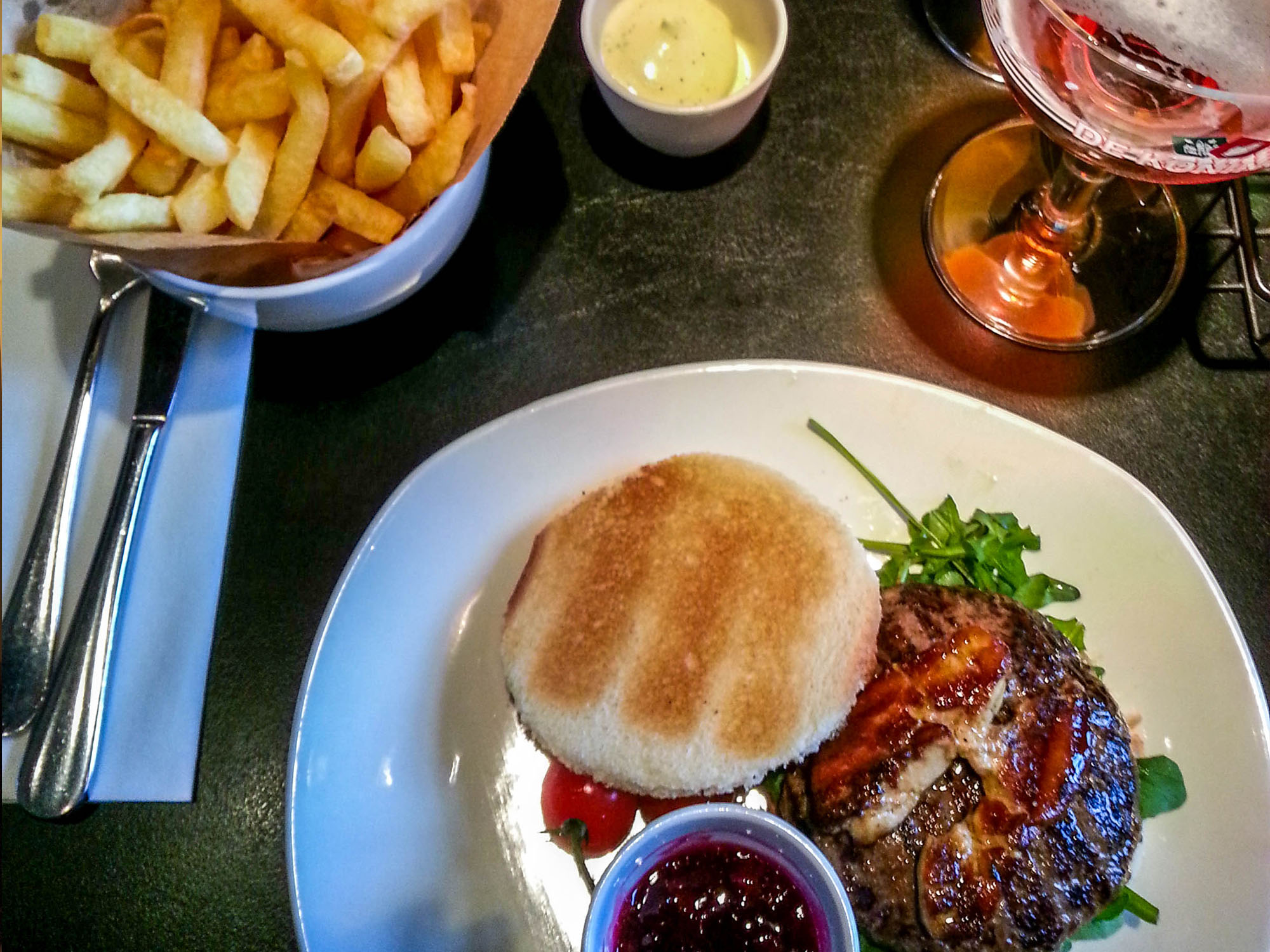
On our first evening, we tried out a charming local restaurant in Ixelles called Le Bugatti. The atmosphere was cozy, thanks to the art-deco style and candle lighted interior, and the food was delicious! I tried the stew with frites, Luka tried the sausages with stoempl and some extremely good Belgian beer. We were convinced- Belgian cuisine is something worth traveling for!

Next morning we headed to Bruges, perhaps the most touristy city in Belgium. There was a traffic jam on the highway, so we got off of it and went for a local road. That was a great decision, as we got to see the beautiful countryside residential architecture. Almost every property has a fairytale-like house, with lovely bay and roof windows, colorful doors, and window frames, a tastefully decorated interior, and a well taken care of garden. I was so impressed that I didn't even make one photo of this beauty.

Wandering through the medieval streets of Bruges

Wandering through the medieval streets of Bruges

The city of Bruges is charming, with its picturesque houses and canals, but Saturdays overcrowded with tourists, especially groups which flooded its streets. When you move away from the main streets, it becomes a quiet little town with a medieval atmosphere, and I can imagine it being particularly interesting by night!

Romantic Bruges

Romantic Bruges

Charming brick houses in Bruges

Charming brick houses in Bruges

Quiet Bruges neighbourhood on the canal

Quiet Bruges neighbourhood on the canal

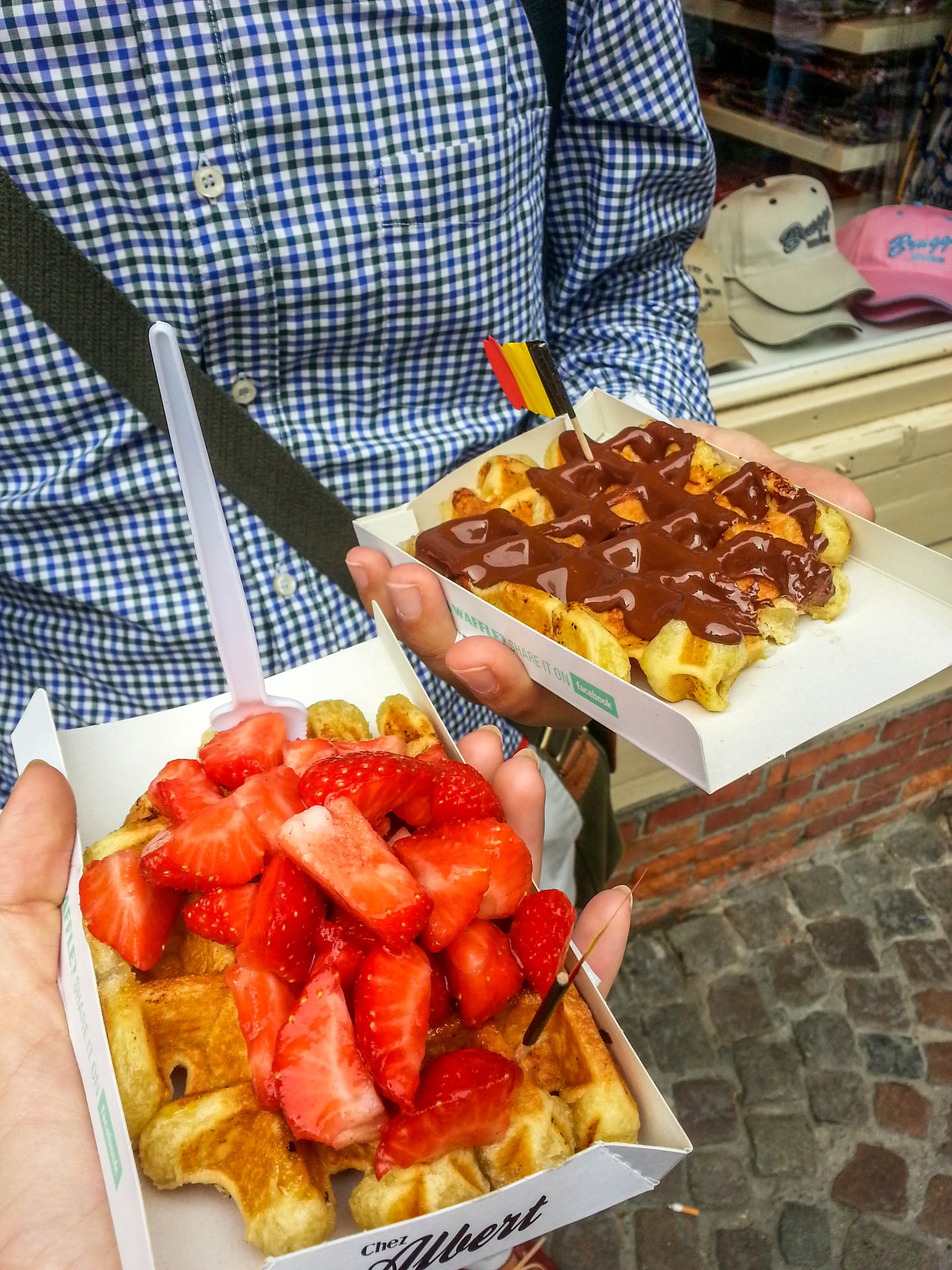
We had a nice walk, a nice meal and a beer at the local pub (garlic shrimps, chicken in beer sauce, and a beer served in a horn-shaped glass), and our first Belgian waffle (mine with strawberries, Luka's with chocolate, and it was love at first bite). There are two most popular varieties of waffle in Belgium: the Liege waffle and the Brussels waffle, the first one being chewier and denser, the second one lighter and crispier. We opted for Liege, but next time we should also give a chance to Brussels variety!

Or first waffles- in Bruge! Yum!

Or first waffles- in Bruge! Yum!

On our way back we stopped at Ghent, where I wanted to see the Ghent altarpiece (painted by Hubert and Jan Van Eyck in the 15th century) in St Bavo Cathedral which I didn't due to restoration work on it. That was a disappointment, as it is one of the first examples of early Renaissance in northern European art, one of the most important artworks in the Western world, and the most frequently stolen artwork in history! You have probably heard about it in the movie or in the book The Monuments Men, where it is the main object of the hunt for the troop.

Ghent is a lively, vibrant town, not so overpacked with tourists. The center is free of cars, so you can truly enjoy wandering through its streets and admiring the medieval architecture!

Laid back atmosphere in front of the St Nicholas Church in Ghent

Laid back atmosphere in front of the St Nicholas Church in Ghent

We had a dinner at Ellis gourmet burger, and if you're ever in Belgium don't miss it! I would go back anytime, just to have their tasty burgers again! We also experienced the perfect storm, chasing through Ghent's puddled streets and pouring rain, and drove back to Brussels completely wet but happy.

Ellis-Gourmet-Burger

The next day we decided to stay in Brussels and explore the city. We had a long morning walk in the center, which included wandering through chocolate shops and buying presents for family, friends and ourselves. The center itself is pretty and pedestrian-friendly, with some impressive points like the Grand Place (I recommend you to visit it by night also, as all the facades are lighted, which creates a Disneyland impression). We also got to see the tiny statue of Manneken Pis and didn't really understood what all the fuss is about. The little guy pees in the fountain, and even more awkwardly, they dress him during the day. :) There is a picture below, so you can judge it by yourself!

Grand Place by night

Grand Place by night

The statue of Manneken Pis dressed in... something :)

The statue of Manneken Pis dressed in... something :)

That day we also visited the house/museum of Art Nouveau architect Victor Horta. Art Nouveau was a Belgian version of Austrian Secession (with well-known protagonist Gustav Klimt). The architect applied the premises of this new style to his own house which resulted in the so-called "gesamtkunstwerk" which would mean something like “a complete piece of art”. That applied to the architecture meant that every single part of the house was artistically designed, from the layout to furniture, keyholes or ventilation tops. The Horta house is a wonderful example of that style, flowing in organic lines, with many open spaces, lovely personal details, spacious rooms overlooking beautiful garden in the back of the house and the street in front of it. If you're ever in Brussels visit that house, as an exquisite work of art or as an unusual inspiration for interior design.

Horta-Museum-Detail
Artistic details of the Horta House

Artistic details of the Horta House

That evening we tried out a restaurant called 9 et Voisins, and although it seems like I'm recommending everything we tried in Belgium, it's because everything was worth recommending!
We consulted Tripadvisor frequently on where to eat topic, so it's not just us, people love this place.
If you're in the mood for juicy Argentinian steak or perfectly cooked stuffed chicory, accompanied with standard great beer and really cozy atmosphere, go for it. They are also open on Sunday, which is great to know when you're in Brussels.
Brussels has plenty of nice and pretty big parks. We've visited only one of them, which was close to our B&B and it was spacious, clean, simple and colored in autumn colors. Great for a walk on the fresh Belgian morning.

Autumn colors in Wolvendael Park, Uccle

Autumn colors in Wolvendael Park, Uccle

Since we're back we couldn't get used to the idea of not eating waffles on a daily basis! So we found a nice little place that serves Belgian waffles in Zagreb, which is a good enough substitution till our next trip to Belgium!

Picture perfect destinations: Slovenian Alps

A few years ago we started going on the Alpine summer escapes as a way to avoid the heat and enjoy the fresh air and the peace of the mountains. Those escapes are short but sweet, active, relaxing and really rewarding.

Lake of Krn- a perfect day trip destination!

Lake of Krn- a perfect day trip destination!

Bovec is a little town surrounded by alpine peaks in the Soca river valley, and is a starting point for many extreme and not so extreme sports that this region has to offer.
Our preferences are hiking and cycling, and we did try the sit-on-top kayak once- it was a great fun regardless of the cold water! 

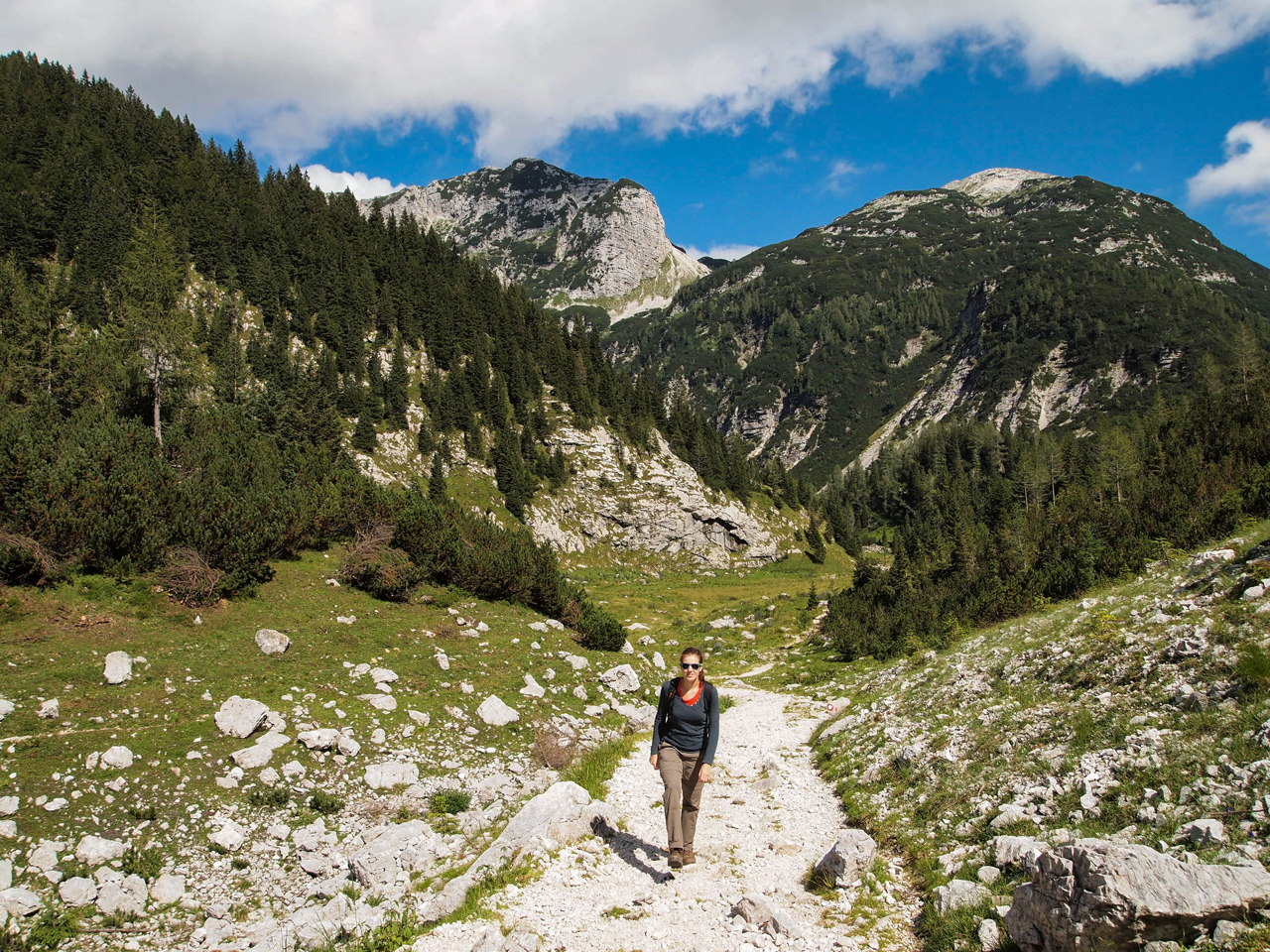
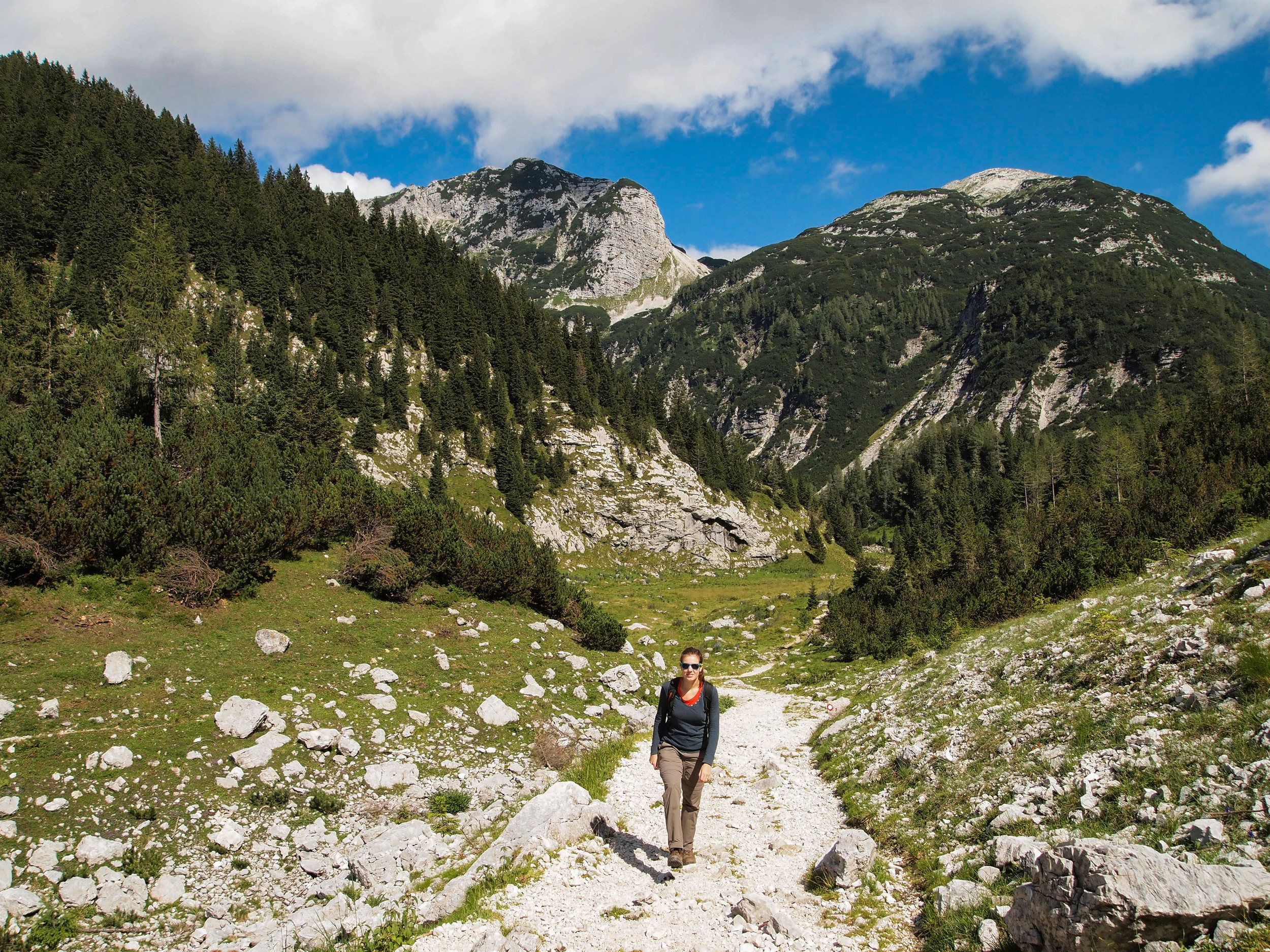
The Lake of Krn hiking trail

The Lake of Krn hiking trail

This was our second time in Bovec, but this is one of those places that you could visit over and over again and every time explore a new hiking trail or just enjoy the freshest mountain air and the unbeatable views.
The nature here is beautiful in all the weather conditions- this time we had two days of rain and misty fog and two perfectly sunny days. 

Emerald waters of river Soca

Emerald waters of river Soca

The river Soca which carves the valley is an emerald jewel of Slovenia- and as every natural beauty has to be seen in person, because the photos don't do it justice.
There is a 25 km long walking trail that runs from the stream to the town of Bovec- this time we enjoyed it wrapped in our rain capes and surrounded by the sound of raindrops on the leaves, misty traces of fog right above the water, and the crisp autumn air at the end of August.

More info on Soca River Trail here.

One of many hanging bridges over the river Soca

One of many hanging bridges over the river Soca

Our two hiking destinations were the Boka waterfall just outside of the town and the lake of Krn above the Lepena valley.
A hike to Boka waterfall isn't that long, but is pretty steep, so we were a bit exhausted and wet by the time we got to the viewpoint. There is a nice view of the valley and the waterfall, which we enjoyed by ourselves, as there were no other hikers yet.

The Boka stream viewed from above

The Boka stream viewed from above

As for the lake of Krn, it’s a two hour walk uphill (and a bit shorter walk downhill) from the Alpine hut called Dom Klementa Juga in the Lepena valley. The path is wide, well marked, and definitely worth climbing!

For me, this is as good as it gets in terms of complete relaxation

For me, this is as good as it gets in terms of complete relaxation

There is an Alpine hut on the top, before you reach the lake, where we had a typical Slovenian mountain dish- Jota (beans with sour cabbage), some sausages, apple strudel, beer and schnapps (also traditional). :)

Relaxing at the Lake of Krn Alpine hut

Relaxing at the Lake of Krn Alpine hut

The lake itself is an impressive scene- surrounded by gigantic rocky mountains reflecting in the dark green waters.

Picture perfect road that leads to the Lake of Krn

Picture perfect road that leads to the Lake of Krn

Stunning scenery on the Lake of Krn

Stunning scenery on the Lake of Krn

The place is quiet and peaceful, and we spent quite a time sitting on the shore, dipping our feet in the cold water, and photographing a bunch of colorful butterflies which were landing everywhere- on our heads, shoes, hands, bags... They were lovely!

A beautiful visitor!

A beautiful visitor!

When we got back to the hut in the valley, we rewarded ourselves with their tasty blueberry cake, made of fresh mountain blueberries! They also have excellent goulash, a nice waiter and affordable prices- so if you're passing through the Lepena valley don't hesitate to stop there!

Even though our stay was short, we had a complete energy refill and a mind&soul vacation. On our way back through Italy, just as we drove out of the Alps it was like as summer was switched on again.

The pure beauty of nature

The pure beauty of nature

Two beautiful undiscovered gardens in the Veneto region

Gardens aren't usually highly ranked on a traveler’s to Italy bucket list- but they should be, and this post might just change your plans on the northern Italy trip! :)

We visited two of them, on a lovely spring day in the outskirts of the city of Padua.
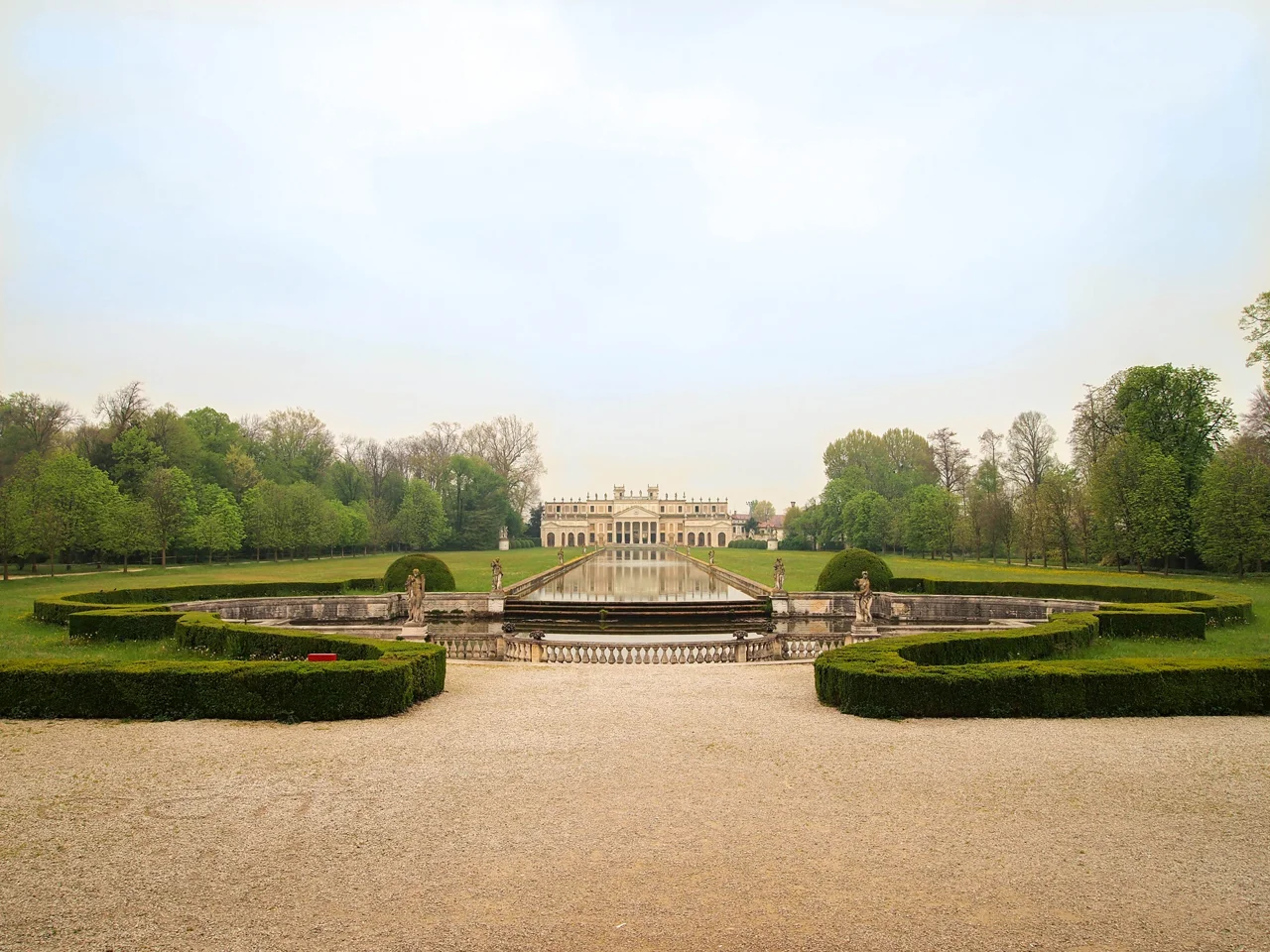
Villa Pisani and its garden are easily accessible by car both from Padua (30 minutes’ drive) and Venice (40 minutes’ drive from the mainland of Venice- Mestre).
It is one of a series of villas built by Venetian noble families on the shore of the river Brenta canal which connects Padua and Venice. 
The villa and the garden were built in the 18th century, and some of the gardens most prominent features still exist today.
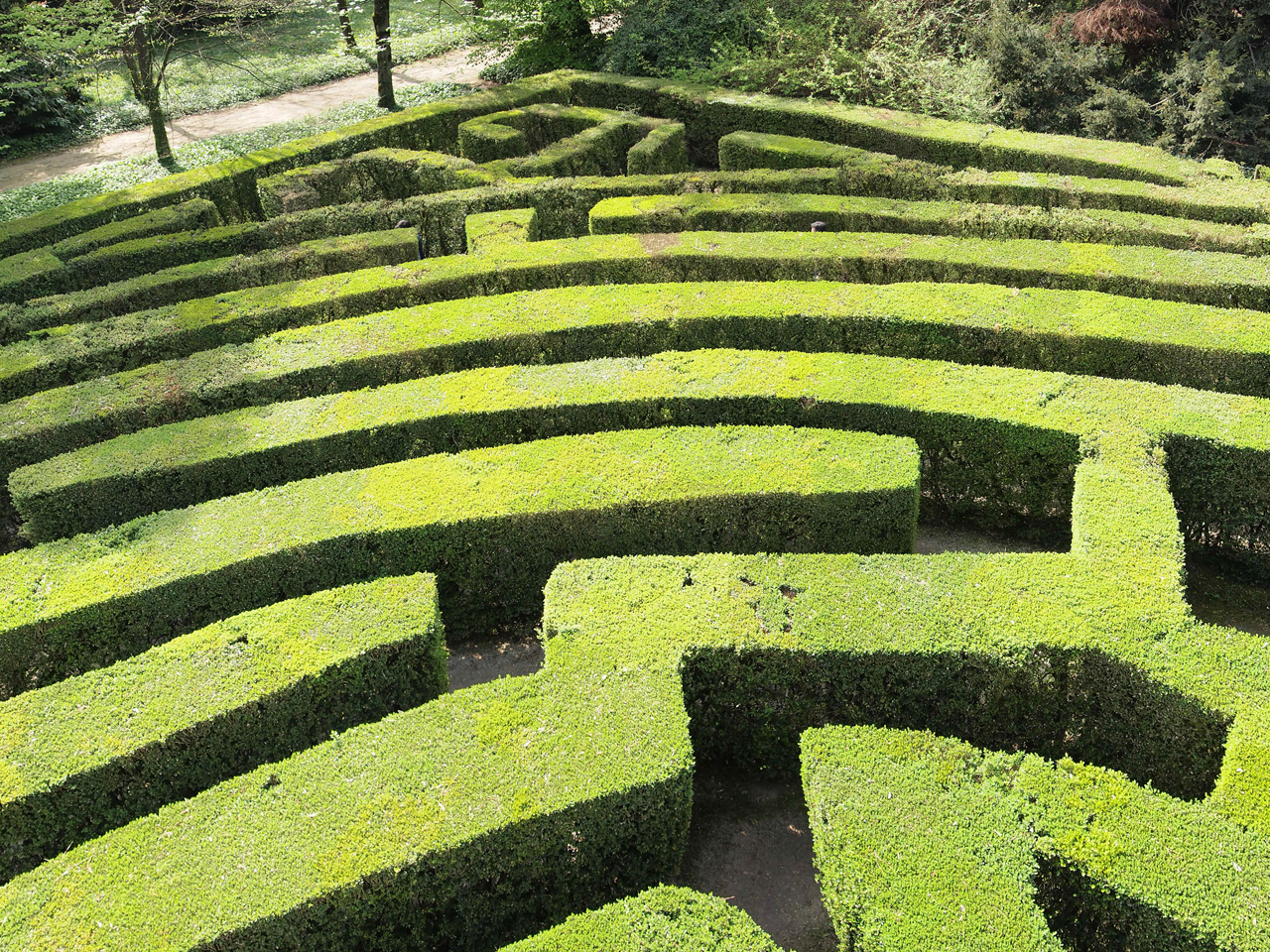
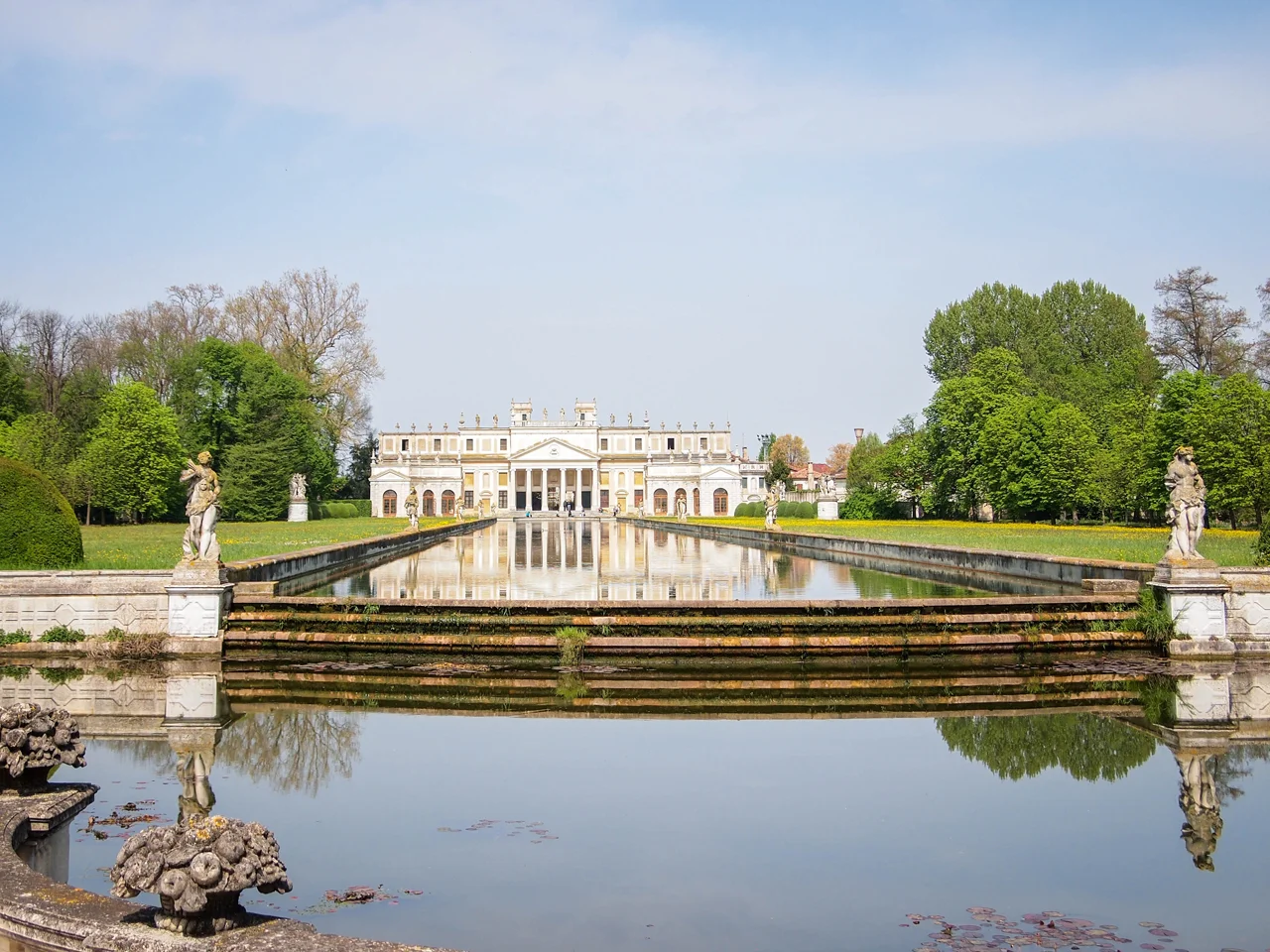
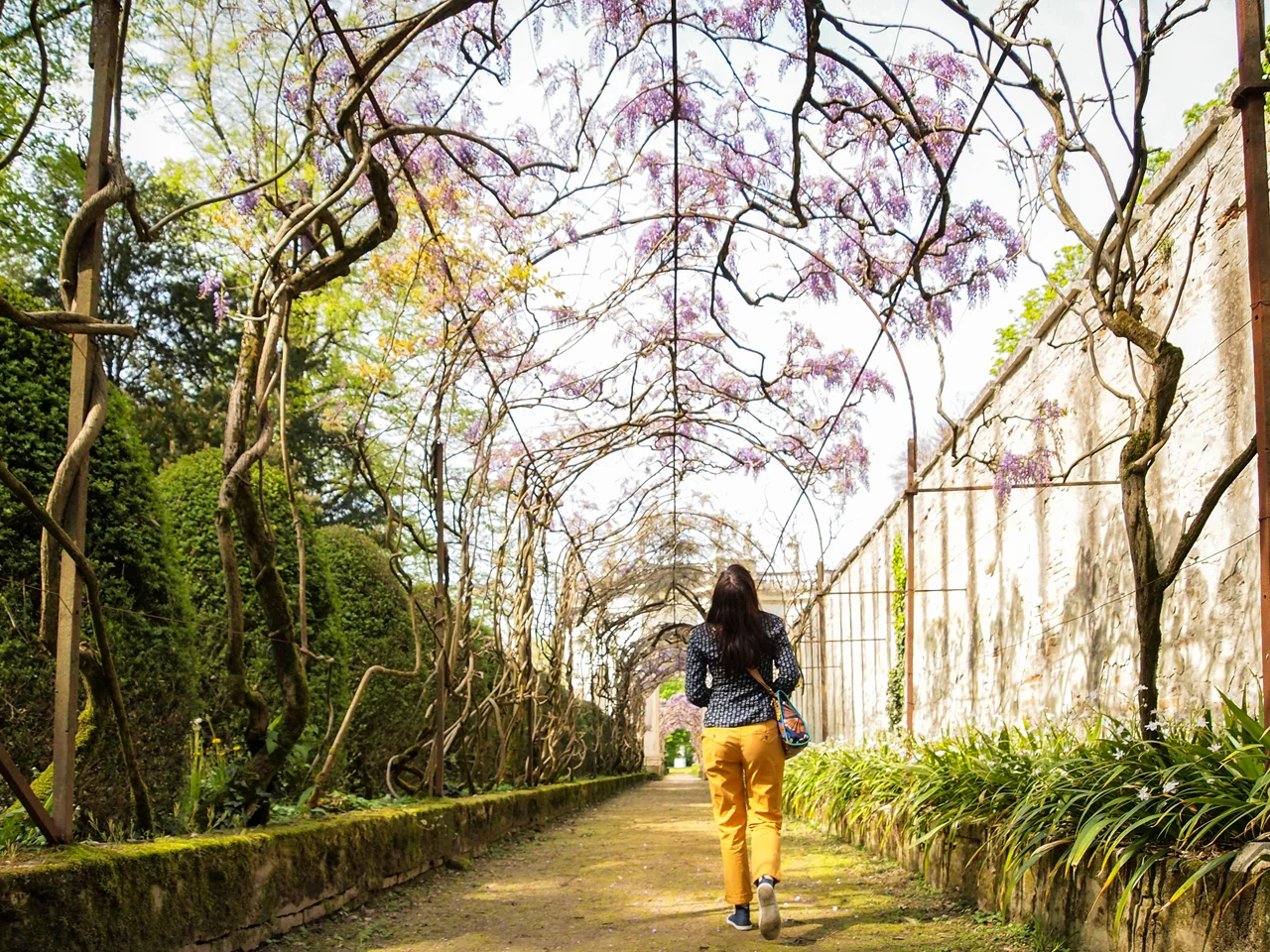
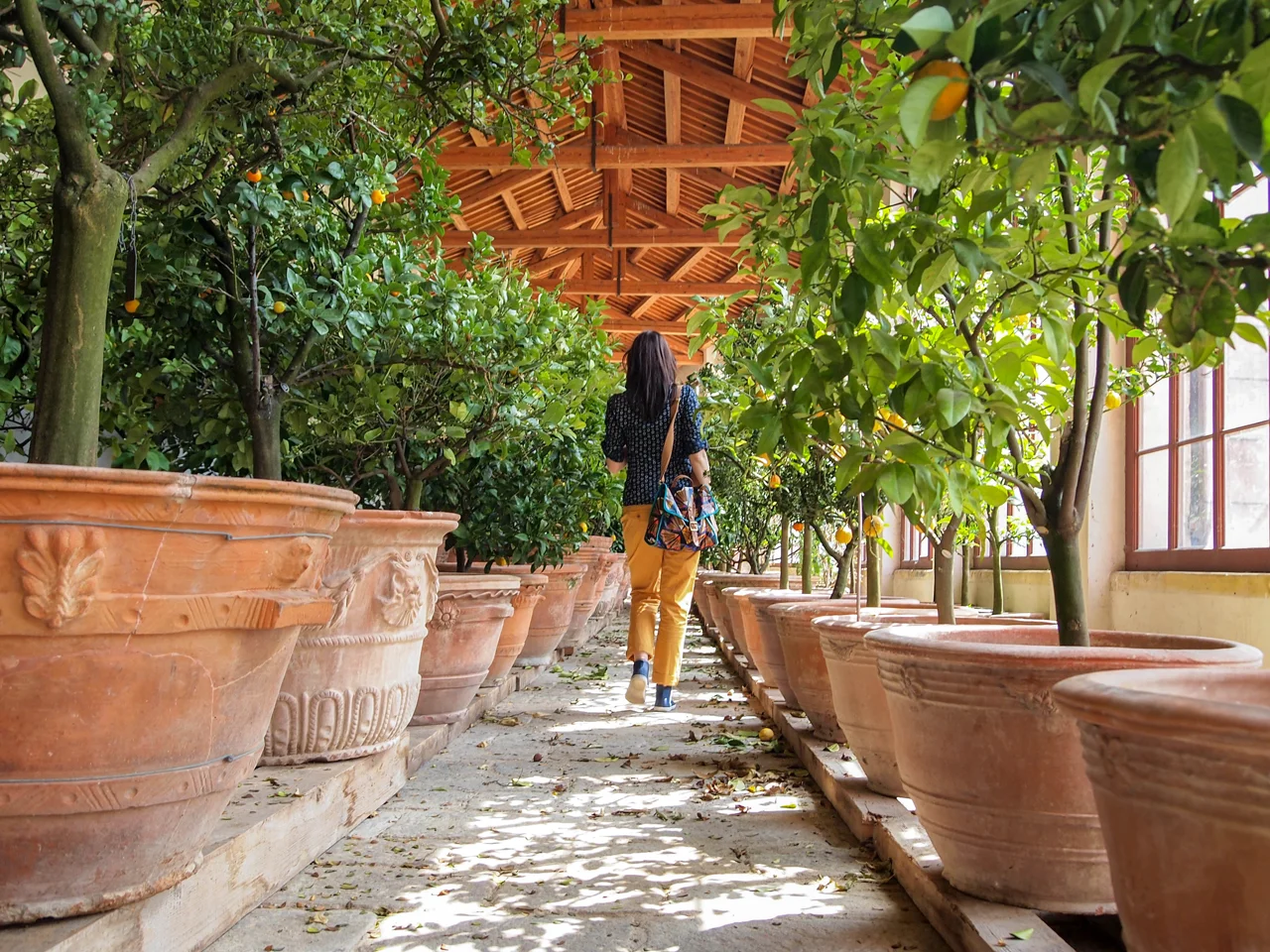
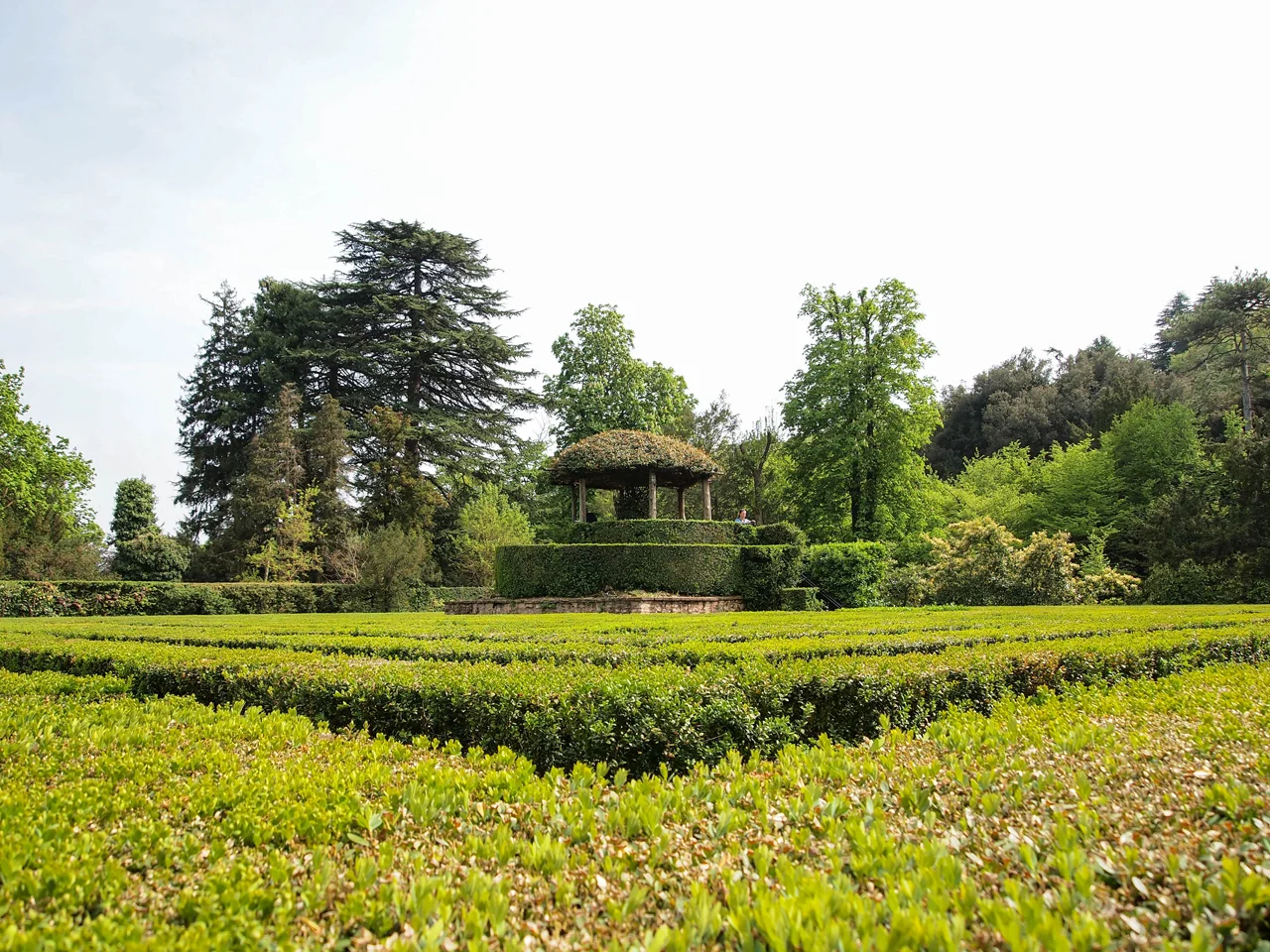
We had a lot of fun finding our way to the center of the maze, which was not as easy as we expected it to be (we learned that the "right-hand rule" does not work!). We took a walk through the beautiful wisteria-passage, had a picnic on top of the artificial hill, smelled the most beautiful scent of orange blossoms in the greenhouse called Limonaio and admired the view of the villa and its reflection in the long basin that runs through the park.
If you're interested in visiting it, this might help.

Enjoying the view of the Villa Pisani green maze

Enjoying the view of the Villa Pisani green maze

A view of Villa Pisani from the garden

A view of Villa Pisani from the garden

Admiring the wisteria-passage

Admiring the wisteria-passage

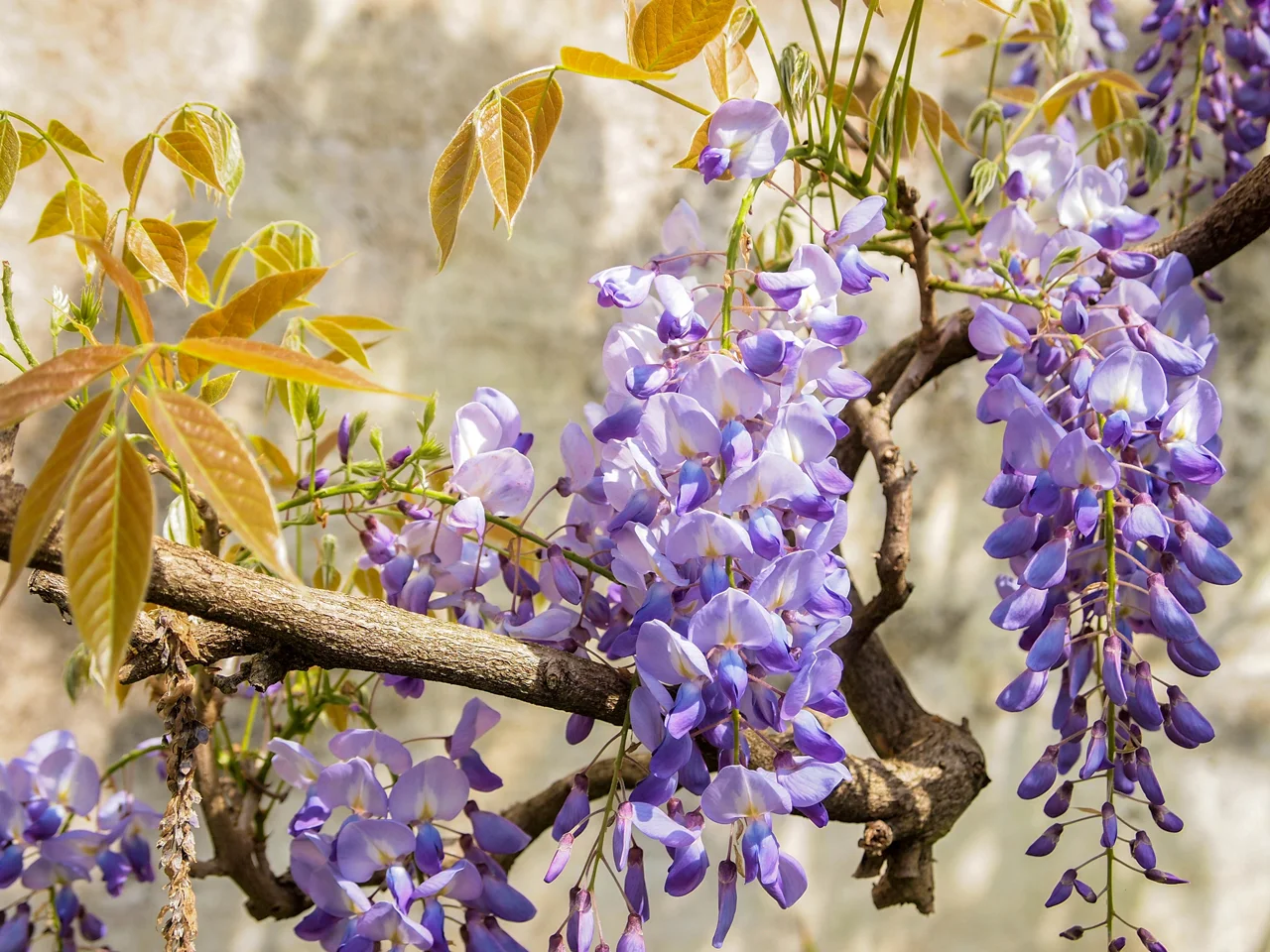
Lovely lilac flowers

Lovely lilac flowers

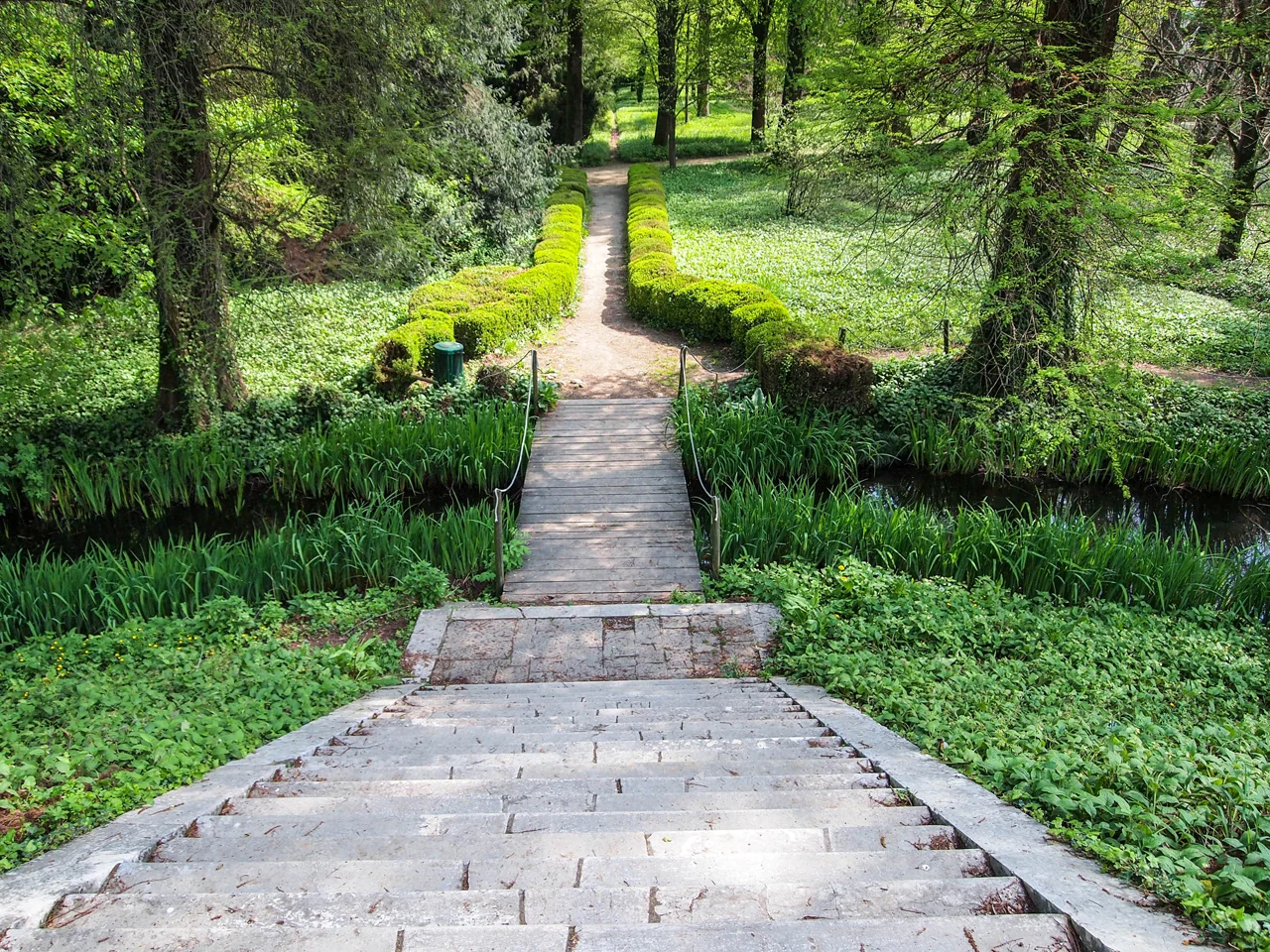
Artificial hill in the garden of Villa Pisani

Artificial hill in the garden of Villa Pisani

Greenhouse in the garden of Villa Pisani

Greenhouse in the garden of Villa Pisani

Enjoying the most beautiful scent of Limonaia in Villa Pisani

Enjoying the most beautiful scent of Limonaia in Villa Pisani

A view of the Villa from the garden

A view of the Villa from the garden

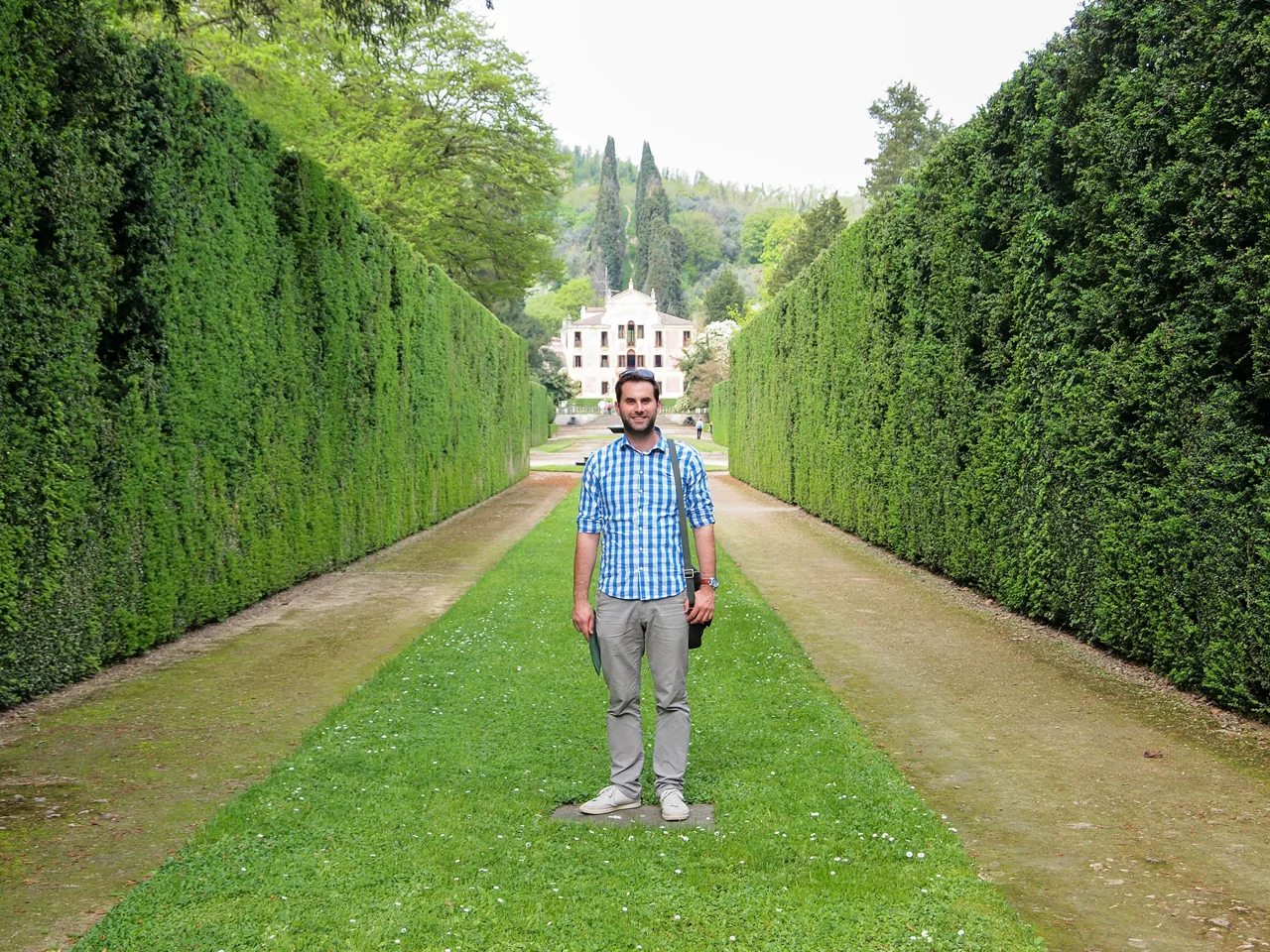
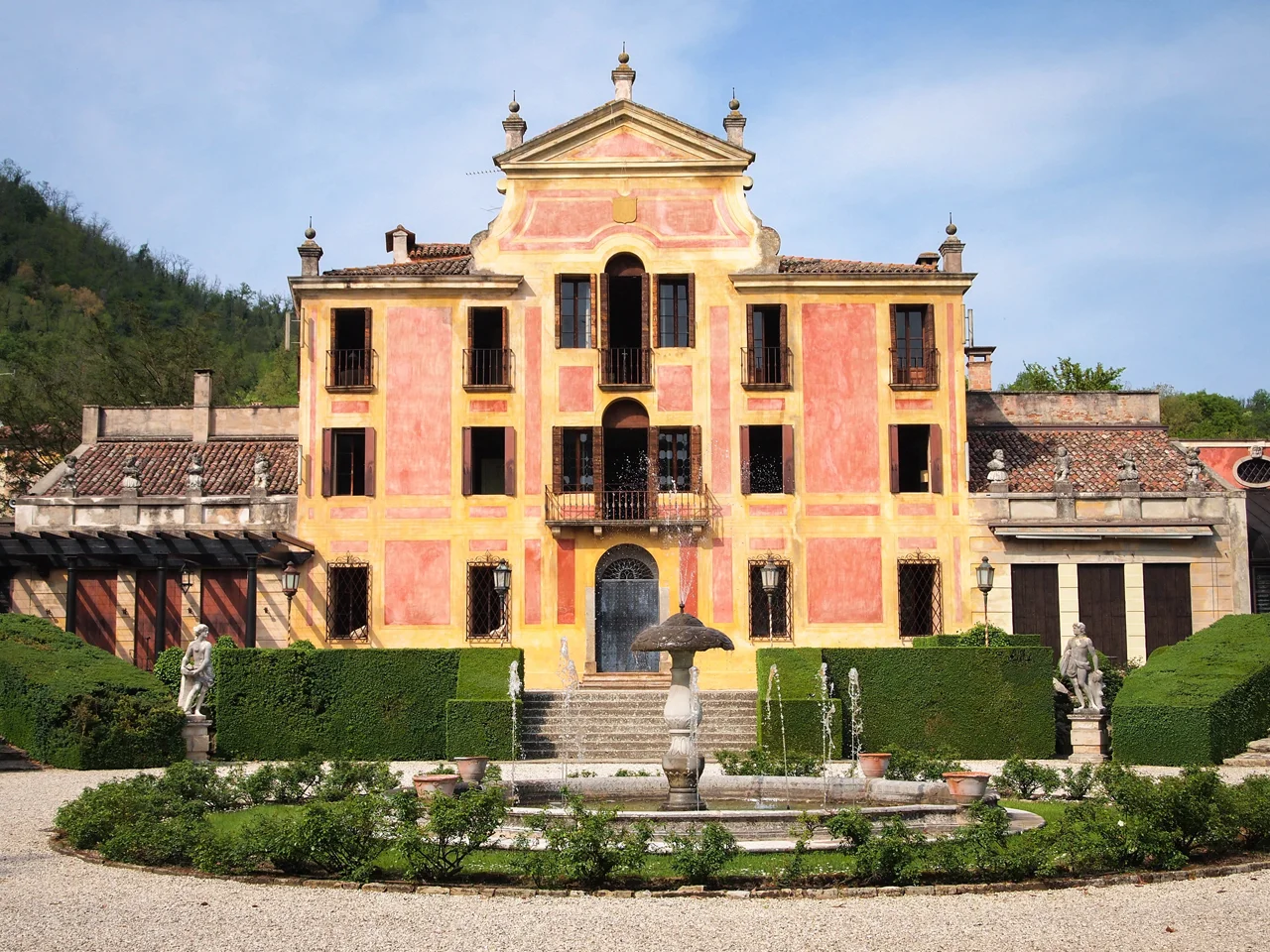
Villa Barbarigo and its garden are situated in Valsanzibio, near Galsignano terme, 30 minutes’ car drive from Padua, and 50 minutes’ drive from Venice.
The surroundings of blossoming Euganean hills make perfect scenery for this little jewel of Italian gardens.
Once you enter this garden, you feel enchanted and amused by everything you see:
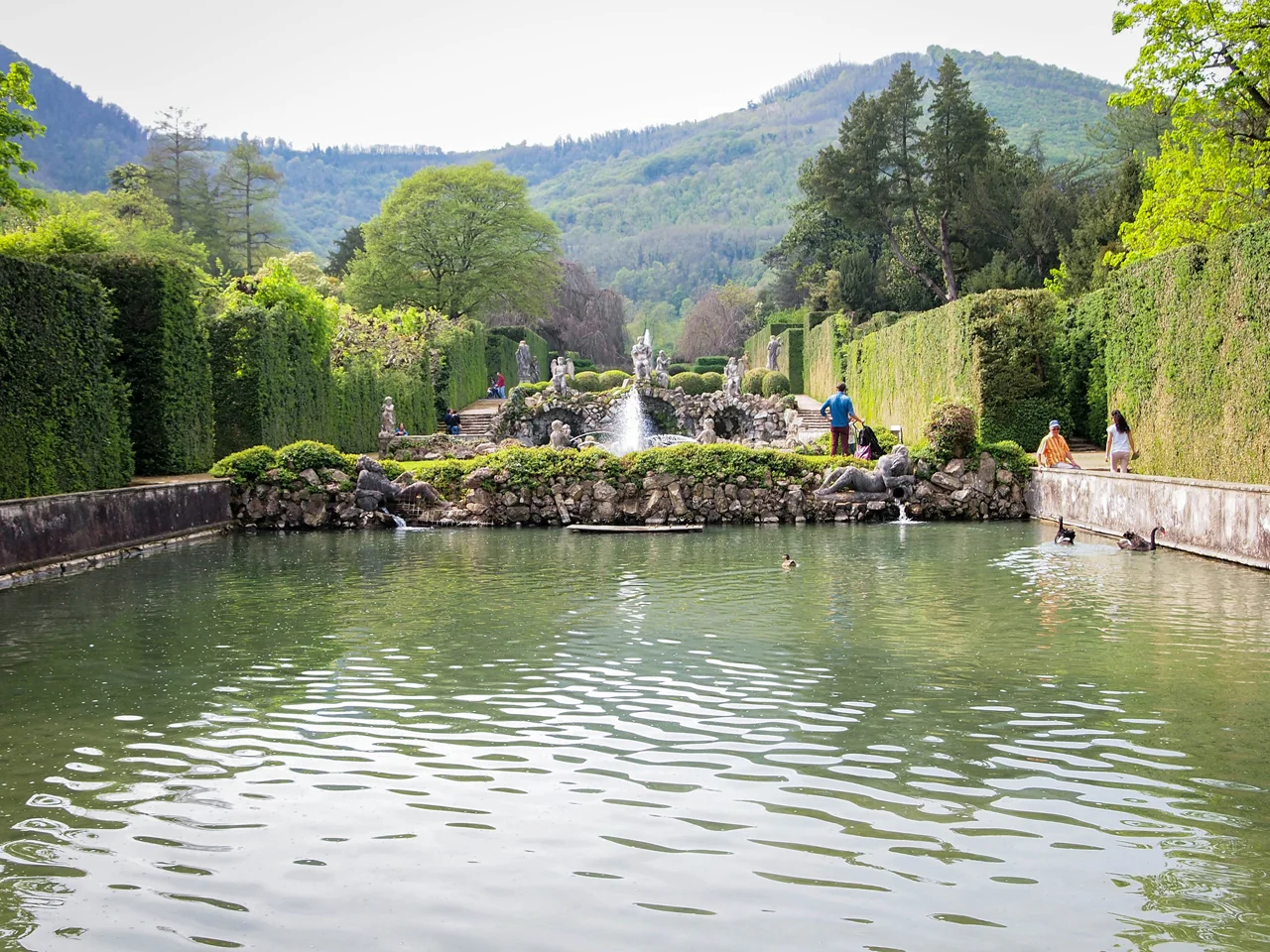
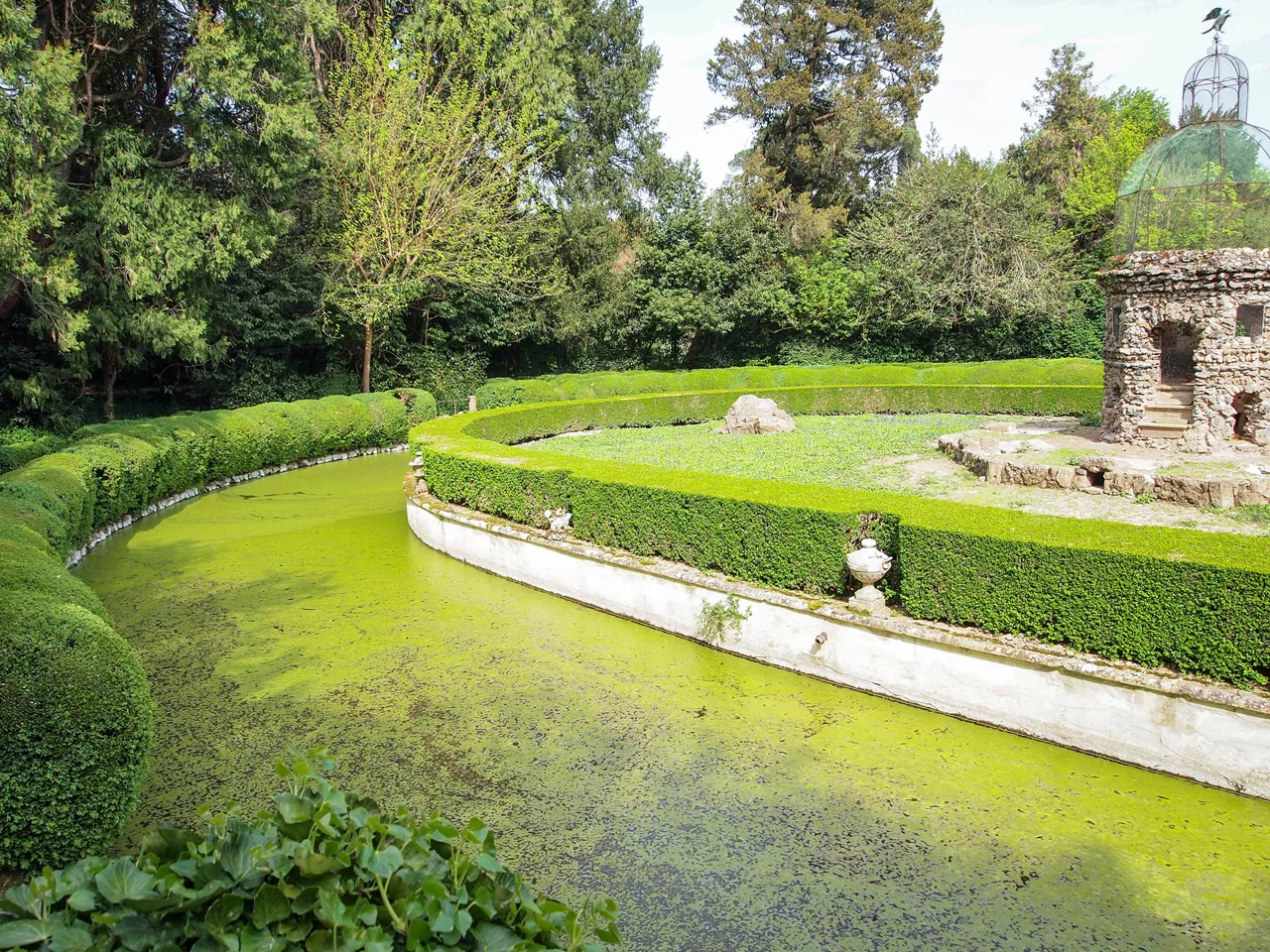
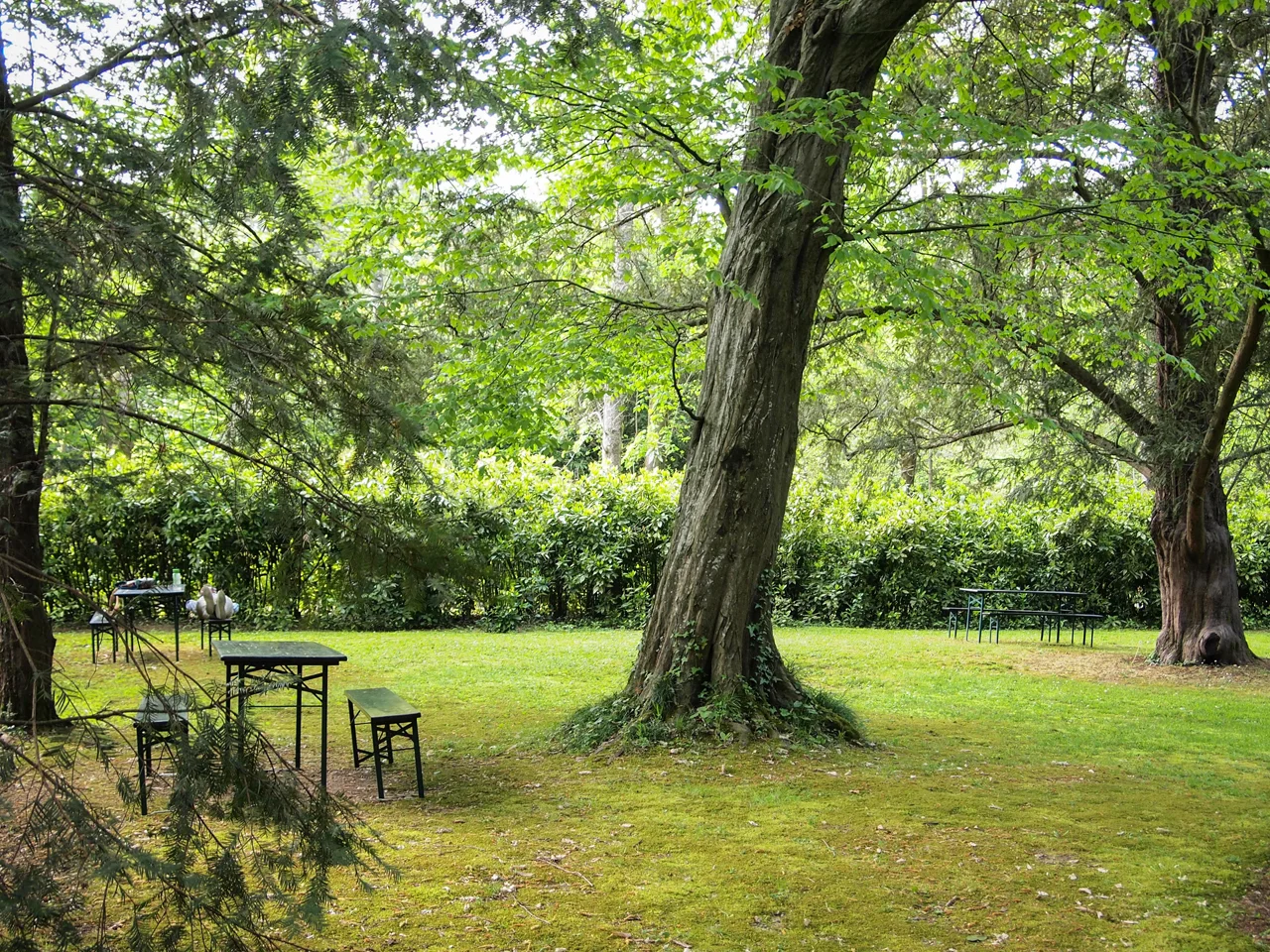
There is a large maze (quite more serious than the one in the Villa Pisani garden- we found ourselves truly lost between its high green walls),  a rabbit island (the name speaks for itself!), a line of fountains and cascades with lovely black swans, the so-called giocchi di aqua or water jokes (the Italian noble men loved to surprise their guests with unexpected water splashes, a feature that still works today and makes the visitors laugh), a literally hidden picnic area, a lovely villa, and amazing vistas everywhere you look.

For more info on Villa Barbarigo click here.

After the visit, we went for a gelato in a little nearby shop, where we had to ring a bell for the old lady to open (like in an Italian movie!), and it was honestly one of the best day trips I've ever had.

Amusing garden of Villa Barbarigo

Amusing garden of Villa Barbarigo

A view from the maze of Villa Babarigo

A view from the maze of Villa Babarigo

Lovely view of the garden and the Euganean hills

Lovely view of the garden and the Euganean hills

The Rabbit Island (the rabbits are hiding away from the camera) :)

The Rabbit Island (the rabbits are hiding away from the camera) :)

Beautiful Villa Barbarigo in Valsanzibio

Beautiful Villa Barbarigo in Valsanzibio

Stunning symmetry of the garden and a place to be water-splashed :)

Stunning symmetry of the garden and a place to be water-splashed :)

Lounging in the hidden picnic area :)

Lounging in the hidden picnic area :)